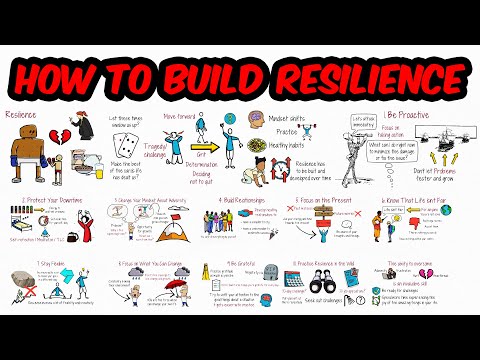
So, let’s chat about emotions for a sec. You know how sometimes you feel like your feelings are just all over the place? Yeah, I’ve been there too.
Life throws us curveballs, and it can be tough to navigate through all that emotional chaos. But here’s the thing: we have this incredible ability to grow and bounce back. Seriously!
Healing isn’t always a straight line; it’s more like a wild rollercoaster ride—ups, downs, and maybe a few unexpected twists. But with resilience, we can come out stronger on the other side.
So grab your favorite drink, and let’s explore how you can tap into that inner strength of yours!
Enhancing Emotional Well-being: The Role of Psychological Growth and Brain Resilience
Emotional well-being is super important, and it often hinges on two big concepts: psychological growth and brain resilience. Let’s break these down a bit, shall we?
First off, psychological growth is all about how we learn from our experiences. Think of it like leveling up in a video game. Each challenge you face—whether it’s a tough breakup or changing jobs—teaches you something new. You adapt, you change, and hopefully, you come out stronger on the other side, right? For example, when someone goes through grief, they often discover new coping mechanisms that help them not only heal but also understand their emotions better.
Now let’s chat about brain resilience. This refers to the brain’s ability to bounce back from stress or trauma. You know how sometimes people say “what doesn’t kill you makes you stronger”? Well, there’s truth in that! Your brain can form new connections and paths when faced with challenges. It’s kind of like a muscle: the more you use it—even in tough situations—the stronger it gets. For instance, if you regularly practice mindfulness or meditation during stressful times, your brain learns how to manage stress more effectively over time.
So why do these concepts matter for your emotional well-being? Well, combining psychological growth with brain resilience can lead to better coping strategies and improved emotional regulation. This means you’re less likely to feel overwhelmed by life’s ups and downs.
- Mental Flexibility: You become more adaptable in facing challenges.
- Emotional Regulation: You learn to manage your emotions instead of being controlled by them.
- A Sense of Purpose: Overcoming obstacles often leads to finding meaning in difficult experiences.
Here’s a little story for context: Imagine Sarah who just lost her job. At first, she was distraught; her emotional state felt chaotic—like an untamed storm! But as time passed, she started reflecting on what she really wanted from her career. This reflection became part of her psychological growth journey. She began networking online and learned new skills related to her passions—a classic case of brain resilience kicking in! Now Sarah is not only more prepared for future challenges but feels empowered by the experience.
In short, enhancing emotional well-being through psychological growth and brain resilience is like building a solid foundation for your mental health house—it supports everything else! When times get tough—which they will—you’ll have the tools to weather the storm better than before.
Understanding Emotional Resilience: Key Examples and Strategies for Personal Growth
Understanding emotional resilience is like learning to ride a bike. At first, it can feel wobbly and uncertain, but with practice, you get better at balancing through life’s ups and downs. Basically, emotional resilience is your ability to bounce back from stress, adversity, or trauma. It’s not about avoiding challenges; it’s more about handling them when they come your way.
So, what does being emotionally resilient really look like? Well, let’s break it down into some key points that can help you navigate through tough times.
Adaptability: Resilient people are like chameleons. They change their approach based on the situation. For instance, if a friend moves away, instead of sulking for weeks, they might find new hobbies or join clubs to meet new faces.
Positive Mindset: This doesn’t mean pretending everything is sunshine and rainbows when it’s clearly stormy out there. It’s about finding silver linings or lessons in challenging situations. Like when you fail at something important—thinking of it as an opportunity to learn rather than just a setback.
Strong Social Connections: Having a support system is huge! It could be friends, family, or even pets who help lift your spirits during hard times. Think about that one friend who always knows how to cheer you up with just a text or a phone call.
Problem-Solving Skills: Resilient folks tackle problems head-on instead of just wishing they would vanish. Imagine someone dealing with job loss; instead of panicking entirely, they might create a new resume and network for new opportunities.
Self-Care Practices: Taking care of your mental health is crucial. This might mean regular exercise, engaging in hobbies you love, or simply taking time out for yourself—like enjoying quiet moments with a good book.
Now that you’ve got the basics down let’s talk strategies to build that emotional resilience muscle:
- Mindfulness and Meditation: These practices help ground you in the present moment. You know those times when your thoughts are racing? Mindfulness can help calm that storm.
- Set Realistic Goals: Break big goals into smaller steps so they feel manageable—like trying to climb Everest by starting on smaller hills first.
- Cultivate Gratitude: Keeping a gratitude journal can shift your focus from what’s wrong in your life to what’s actually going well.
- Learn From Experience: Reflect on past challenges—what worked then? What didn’t? Each experience has its lessons if you’re open to finding them.
- Practice Self-Compassion: Be kind to yourself during tough moments! Instead of harsh self-criticism after making mistakes, treat yourself like you would treat a friend who’s struggling.
There was this time I faced some serious personal losses—a family member passed away unexpectedly while I was also dealing with work stress—I felt completely lost. But gradually I found ways to cope: talking with friends helped me process my feelings; writing in my journal gave me clarity; and honoring my loved one’s memory became part of my healing journey.
Emotional resilience doesn’t happen overnight; it’s built over time through experiences and intentional practices we choose every day. The thing is though—it helps us grow stronger as we face life’s inevitable challenges. So remember: it’s okay not to have everything figured out right away!
Understanding Healing in Psychology: Concepts, Processes, and Impact on Mental Well-Being
Healing in psychology is a fascinating process. It’s not just about fixing something broken; it’s more like a journey through the ups and downs of life. When we talk about healing emotions, it involves understanding ourselves better and building resilience for whatever life throws our way.
Understanding Healing
So, what is healing in this context? Healing is essentially coming to terms with our emotional wounds. It isn’t about forgetting or ignoring painful experiences but acknowledging them and working through them. Think of it like cleaning out a messy room—yes, it might be uncomfortable at first, but once you get in there and start sorting things out, you’ll feel lighter and more at peace.
Key Concepts
Here are some important concepts that come into play during the healing process:
The Healing Process
Healing isn’t linear; it often looks more like a roller coaster ride with twists and turns. You might feel great one day and down the next, and that’s okay! Here are some phases people usually go through:
The Impact on Mental Well-Being
The effects of healing can be profound! When you actively work on your emotional health, several things happen:
- You might notice an improvement in relationships because you’re not projecting unresolved feelings onto others.
- Your ability to handle stress increases as you become more resilient—like building emotional muscle!
- Your overall mental well-being improves as self-acceptance leads to greater confidence.
Sometimes, sharing our stories can help too. For example, I remember a friend who went through a tough breakup. At first, she was all over the place—crying one moment and angry the next. But as she started talking it out with us and reflecting on what happened, she gradually found clarity. That journey transformed her from feeling lost into someone who embraced her singlehood with energy.
In short, understanding healing in psychology involves navigating complex emotions and learning how to rise above them. The processes of acknowledgment, exploration, and development all contribute significantly to our mental well-being—and let’s be honest: who doesn’t want that?
You know, emotions can be pretty tricky, can’t they? Sometimes they feel like a storm raging inside us, leaving us confused and overwhelmed. I remember a time when I was going through a rough patch—everything just felt heavy. It was as if I was carrying around a big backpack filled with rocks. At first, it seemed impossible to shake off that weight.
But then I started realizing how important it is to work through those feelings instead of just pushing them aside. That’s when the idea of psychological growth popped into my mind. The process isn’t just about feeling good again; it’s about digging deep and understanding your emotions better. It’s like peeling an onion—you keep uncovering layers, some might even make you cry! Yet each layer brings you closer to the core of who you are.
Resilience is another piece of this puzzle. It’s not about being tough all the time; it’s more about bouncing back after life throws those curveballs at you. When you face challenges and learn from them, your emotional toolkit gets stronger. You find ways to cope that you didn’t even know existed before! It’s kind of like developing muscles—you don’t build strength without pushing yourself.
So, when you’re feeling down or lost in a whirlwind of emotions, think about this: every bump in the road can actually help you grow. Instead of viewing tough times as setbacks, see them for what they are—opportunities for healing and growth. Remember that time when you faced something challenging and came out stronger on the other side? That’s exactly what resilience is all about.
In this journey, it’s okay to lean on others too—the support from friends or family can be incredibly helpful. They often see things from angles we miss ourselves! So yeah, healing is not just an individual effort; it can be a shared experience too.
Ultimately, embracing your feelings and allowing yourself to grow through them changes everything. You might not always feel like it, but every emotion has something valuable to teach you if you take the time to listen. So next time you’re in that emotional storm, try chatting with your own heart for a moment—it might surprise you what wisdom lies within!