You know how sometimes you just click with someone at work? Like, you can read their mood without them saying a word? That’s emotional intelligence in action!
It’s not just about knowing your stuff. It’s about connecting with people. And let me tell you, that skill can make a world of difference when it comes to getting things done and, honestly, just enjoying your time at work.
But here’s the kicker: many folks don’t even realize how important this is. They’re so focused on tasks and deadlines that they forget about the human side of things.
So, let’s chat about emotional intelligence and why it’s a game changer for workplace success!
Unlocking Workplace Success: The Role of Emotional Intelligence in Enhancing Professional Performance
Emotional intelligence, or EI, plays a huge role in how we operate at work. It’s basically about understanding your own feelings and those of others around you. So, if you want to unlock your potential at the office, tapping into emotional intelligence could be your golden key.
Think about it. Picture a workplace where everyone communicates effectively, conflicts are resolved smoothly, and collaboration is top-notch. Sounds ideal, right? Well, that’s what emotional intelligence brings to the table.
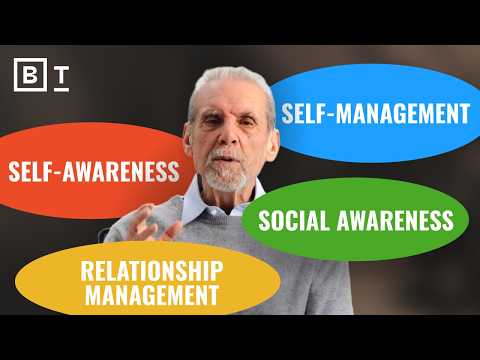
First off, let’s break down the **five key components** of emotional intelligence:
You might wonder why this all matters so much. Well, research indicates that workplaces with high emotional intelligence teams experience better performance overall. Teams that communicate well tend to handle stress better too!
Let me share an example from my buddy Alex’s workplace—he works in HR and always emphasizes emotional intelligence training in his team meetings. Just last month, during a tense discussion over policy changes, he noticed one of his coworkers turning red with frustration. Instead of ignoring it (like many often do), he acknowledged her feelings openly: “Hey Sarah, I see this is bothering you; let’s talk about it.” This tiny moment not only diffused tension but also led to an innovative solution by incorporating her ideas.
So here’s the deal: fostering emotional intelligence in yourself and encouraging it in your colleagues can truly enhance workplace success! By focusing on understanding emotions—your own and those of others—you’ll likely find communication improves dramatically along with productivity.
It takes practice though; developing these skills doesn’t happen overnight. But each small effort counts! A positive work environment results when everyone feels valued and understood.
In essence, mastering emotional intelligence isn’t just about personal growth—it’s also about creating spaces where everyone thrives together! Just think how productive your next team project could be if everyone felt empowered to express themselves openly? Sounds like something worth striving for!
Enhancing Workplace Dynamics: The Role of Emotional Intelligence – Downloadable PDF Guide
Emotional intelligence (or EQ, if you want to sound cool) is a big deal in the workplace. So, what exactly is it? Basically, it’s your ability to recognize and manage your own emotions while also understanding and influencing the emotions of others. This skill can really change how folks interact at work!
First off, let’s break down some key points about why emotional intelligence matters so much:
- Improved Communication: When people are emotionally intelligent, they can express their feelings clearly and respond to others with empathy. Imagine two coworkers having a disagreement; if one understands not just their own feelings but also what the other is going through, things can be resolved way faster.
- Better Team Dynamics: Teams that have members with high emotional intelligence tend to collaborate more effectively. Think about it: If everyone understands each other’s strengths and weaknesses and feels comfortable expressing concerns or ideas, the whole team thrives.
- Leadership Success: Leaders who possess emotional intelligence can motivate their teams better. They’re often more approachable and inspire trust. Picture a manager who listens to employees’ concerns—this builds morale and boosts productivity!
- Handling Stress: Work can get pretty hectic sometimes. Having a solid EQ helps you manage stress better because you recognize when you’re feeling overwhelmed. Instead of spiraling out of control, you can take steps to calm yourself down or even ask for help.
But wait! It’s not just about knowing what emotional intelligence is; it’s also about how to develop it.
You might wonder where to start. One way is through **self-reflection**. Try keeping a journal where you jot down your feelings throughout the day or during specific events at work. This isn’t just some artsy-fartsy exercise; it helps you get real with your emotions.
Also, practicing **active listening** is huge! When someone’s talking to you, focus on what they’re saying without planning your response while they speak. You know? Just really tune in! This helps build connections—you show them that their thoughts matter.
Another thing worth mentioning is **recognizing non-verbal cues**. Sometimes people say one thing but mean another—watch for body language, facial expressions, and tone of voice to pick up on these subtle hints.
And here’s something that might sound simple but can have a major impact: **express gratitude** more often! A little appreciation goes a long way in creating positive interactions at work.
Think back to times when you’ve felt overwhelmed or misunderstood at work—that frustration often stems from miscommunication or lack of empathy between team members. Focusing on enhancing emotional intelligence can address this kind of stuff head-on!
In short, developing your emotional intelligence can transform workplace dynamics into something far more harmonious and productive. The better we understand our own feelings—and those of others—the easier it’ll be to work together effectively!
So there you have it; emotional intelligence isn’t just some fancy term thrown around in HR meetings—it’s essential for building connections and getting stuff done smoothly in any workplace!
Enhancing Workplace Dynamics: Key Examples of Emotional Intelligence in Action
Emotional intelligence (EI) plays a big role in enhancing workplace dynamics. It basically brings a mix of self-awareness, empathy, and good communication to the table. When you harness these skills, it can completely change how people interact at work. Let’s break this down with some key examples.
1. Self-Awareness
Being self-aware means recognizing your own emotions and knowing how they affect your behavior. Picture this: you had a rough morning, and instead of snapping at your coworker in a meeting, you take a breath and acknowledge that you’re feeling off. This awareness can prevent misunderstandings and conflicts.
2. Empathy
Empathy is huge in the workplace. It’s about putting yourself in someone else’s shoes. Imagine a coworker is struggling with their workload, and instead of just focusing on your tasks, you take the time to ask if they need help or support. This small gesture can create stronger relationships and boost team morale.
3. Effective Communication
Ever been in a situation where someone just wasn’t getting their point across? Good emotional intelligence helps you communicate clearly and with sensitivity. If you notice that your team isn’t understanding a project detail, instead of getting frustrated, maybe try explaining it in another way or asking for their feedback first.
4. Conflict Resolution
Conflicts are natural, but how they’re handled makes all the difference. Having EI allows you to navigate tough conversations smoothly. For instance, if two team members are at odds over an idea, an emotionally intelligent colleague might step in to mediate by acknowledging both sides’ feelings and finding common ground.
5. Motivation
People with high EI tend to motivate others through positive reinforcement rather than criticism. When someone on your team hits a goal, celebrating that achievement can really lift spirits! A simple “Hey, great job!” goes a long way in encouraging ongoing effort and commitment.
Overall, enhancing workplace dynamics through emotional intelligence is like adding oil to gears; it keeps everything moving smoothly! Remembering these principles not only improves individual interactions but also strengthens the overall team environment—leading to better collaboration and success for everyone involved!
You know, emotional intelligence is one of those things that can really change the game at work. Imagine chatting with a colleague who just gets you. They sense when you’re stressed and offer help or just a kind word. That feels good, right? That’s emotional intelligence in action.
Emotional intelligence, or EQ for short, is all about recognizing and understanding both your own emotions and those of others. It’s like having an inner compass that guides you through the ups and downs of workplace dynamics. When you have strong EQ, you’re able to respond to situations rather than react blindly. You see the bigger picture instead of getting swept up in momentary frustrations.
A little story comes to mind: there was this time when I was overwhelmed at work with deadlines crashing down on me like waves. I felt like I was drowning, honestly. My boss noticed I was off my game—probably because I wasn’t cracking jokes like usual or maybe my coffee consumption was through the roof? Whatever it was, she called me into her office for a chat. Instead of just piling more work on me, she asked how I was doing and if there was anything she could do to support me. That small gesture meant everything! It showed she understood not just my workload but also my state of mind.
That’s what emotional intelligence can do in a workplace—it builds connections. When leaders exhibit high EQ, they create environments where everyone feels valued and heard. This not only boosts morale but also enhances collaboration.
But it’s not just about being nice; emotional intelligence plays a role in decision-making too! Let’s say you need to give critical feedback to a team member who’s been slacking off. If you’re aware of their feelings and how they might react, you can frame your words more thoughtfully, which helps keep them engaged instead of turning defensive.
At the end of the day, harnessing emotional intelligence means cultivating self-awareness and empathy among colleagues to spark genuine teamwork and productivity. Each person brings something unique—different perspectives shaped by their experiences—and tapping into that richness can lead to innovative ideas we might have missed otherwise.
So next time you’re at work and feel the tension rising or maybe even some misunderstandings popping up—take a breath! Lean into that emotional intelligence vibe! You might be surprised by how much smoother things can go when everyone feels respected and valued for who they are.