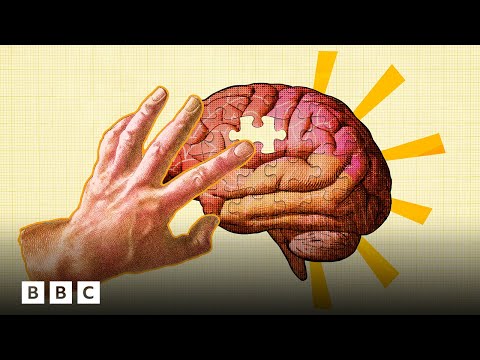
You know that feeling when your heart just aches? Like, out of nowhere, a wave of sadness or anger hits you? Yeah, emotional pain can be pretty intense. It’s something we all go through at some point.
Maybe it’s a breakup that blindsides you or the loss of someone you cared about deeply. It’s raw and real. And honestly, it can feel heavier than any physical pain.
But guess what? You’re not alone in this. There are ways to make sense of what you’re feeling. Understanding emotional pain from a psychological perspective can really shed some light on it.
So let’s chat about how we heal. What does that even look like? And how do we help ourselves navigate through the messiness of emotions? Grab a comfy spot—this might get a little deep!
Exploring the Connection Between Emotional Pain and Physical Manifestations: Legal Perspectives
Emotional pain can really hit hard, don’t you think? It’s interesting how feelings can sometimes show up in our bodies. You know, like when you’re super stressed and suddenly get a headache or stomach issues? That’s basically the mind-body connection in action.
Emotional Pain Explained
So, emotional pain refers to the distress we feel due to things like loss, rejection, or even trauma. It’s that heavy feeling in your chest when something really gets to you. But here’s the kicker: it doesn’t just stay in your heart. It can actually manifest physically.
Physical Manifestations
There are a bunch of ways emotional pain can turn into physical symptoms. Some common examples include:
- Headaches
- Muscle tension
- Digestive issues
- Fatigue
- Chronic pain conditions
For instance, have you ever noticed how people under a lot of stress might complain about back pain? That’s because stress can cause your muscles to tighten up—like, seriously tight! It’s as if your body is saying it’s overwhelmed by emotions it can’t quite process.
The Legal Perspective
Now, here’s where things get a bit more complex. In the legal world, there’s often a discussion about whether emotional suffering should be recognized alongside physical injuries. Imagine someone involved in an accident; they might have physical wounds but also deal with significant emotional turmoil afterward. This raises questions like: Should they be compensated for that emotional pain?
Some courts do recognize this connection and allow for damages related to emotional distress. This is especially true if it can be proven that the emotional pain directly stems from the event that caused physical injury.
Anecdotes from Real Life
Take the case of someone who lost a loved one due to negligence—it’s not just about mourning; often they suffer anxiety or depression too. This blending of emotional and physical is real; some folks might develop anxiety disorders that lead to panic attacks and other physical symptoms.
But proving this connection isn’t always easy. It requires a careful presentation of evidence showing that those feelings didn’t just magically appear but were caused by specific events—involving experts who understand these psychological impacts.
Coping Mechanisms and Healing
When it comes to healing from both types of pain—emotional and physical—finding effective coping mechanisms is crucial. People often try things like therapy or mindfulness practices to help process their feelings and alleviate physical symptoms tied to them.
So yeah, it gets complicated when we mix emotions with our legal systems! Understanding how deeply connected our mind and body are sheds light on both health and justice in society today. It’s all intertwined, you see?
Understanding the 4 Stages of Emotional Healing: A Comprehensive Guide
The journey of emotional healing can feel like a roller coaster ride, full of ups and downs. You might find yourself wondering: where do I even start? Well, emotional healing often happens in four general stages. Understanding these can help you navigate your feelings better.
1. Acknowledgment
This is where it all begins. You have to recognize that something’s off. Maybe it was a breakup or the loss of someone close to you—whatever it is, you need to face it. It’s like when a friend asks you how you’re doing, but instead of saying «I’m fine,» you admit that you’re struggling.
2. Expression
Once you’ve acknowledged your pain, the second stage involves expressing those feelings. It’s not always easy to let out emotions. Some people write in journals or talk with friends about what they’re feeling. Others might prefer art or music as their outlet. Remember Julie? After her mom passed away, she found solace in painting her feelings on canvas instead of keeping them bottled up inside.
3. Processing
Now comes the tough part—really digging into those emotions and understanding them. You might feel stuck here; that’s totally normal! This stage is all about processing what happened and how it affected you emotionally and mentally. Think of it as piecing together a puzzle, allowing yourself to feel sad or angry before moving on.
4. Integration
Finally, the last stage is all about integrating your experiences into your life moving forward without letting them define you completely. This means finding ways to grow from what happened rather than letting it hold you back forever. It could involve setting new goals or changing how you interact with others based on your past experiences.
So yeah, emotional healing isn’t linear; it’s more like a cycle—you may find yourself circling back to previous stages at times—and that’s okay! Healing takes time and patience, so be gentle with yourself along the way.
Remember: everyone experiences these stages differently—there’s no right or wrong way to heal! Just take one step at a time; you’ll get there eventually!
Understanding the 7 Stages of Emotional Healing: A Comprehensive Guide
Emotional healing is a journey that many of us find ourselves on at some point. It’s not a straight path, and you might zigzag through various feelings along the way. Understanding the seven stages of emotional healing can help you grasp what you’re experiencing and remind you that it’s totally normal to feel a bit lost.
- Shock and Denial: This is often where it starts. Imagine just finding out something heartbreaking—like losing a job or ending a significant relationship. You might feel numb or even refuse to accept what happened. It’s like your mind is in defense mode, trying to protect you from the sting.
- Pain and Guilt: Once the shock fades, the reality hits hard. This stage can be intense—think tears, anger, or just feeling overwhelmed. You might start replaying events in your head, wishing you’d acted differently or wondering if there was something more you could’ve done.
- Anger and Bargaining: Anger is totally natural here! You might rage against the situation or even at others involved. Sometimes we try to bargain with ourselves or the universe: “If only I had… maybe then things would be different.” It’s like searching for answers that probably don’t exist.
- Depression, Reflection, Loneliness: This can be an especially hard time. You may feel isolated, like no one gets what you’re going through. Reflection sets in too; those deep thoughts about life choices bubble up. It’s important to recognize this stage—it means you’re processing your feelings.
- The Upward Turn: After all that heaviness comes a bit of light! You might notice moments of relief or even tiny sparks of joy again. People around you may start commenting on how they see changes in your mood or energy levels!
- Reconstruction and Working Through: Now you’re looking toward healing—like rebuilding your life with new tools learned from your experience. Maybe you’re exploring new hobbies or reconnecting with friends who bring positivity into your life.
- Acceptance and Hope: Finally, acceptance doesn’t mean everything is perfect; it means you’ve found a way to embrace what happened without letting it define you anymore. Hope springs back into view as you realize this chapter has shaped you for the better.
Everyone experiences these stages differently—some might skip around through them or revisit stages multiple times as they heal. That’s super emotional!
Think of healing as more of a spiral staircase than a simple ladder—you’ll revisit some thoughts but rise each time with greater understanding and strength! Remember, no matter where you’re at in this journey, it’s okay not to have everything figured out right away.
Emotional pain can be, like, super tough to deal with, right? We’ve all been there—feeling like you’ve got a hole in your heart or a weight on your chest that just won’t budge. It’s not just a little sadness; it feels heavy and all-consuming. I remember a time when a close friend of mine went through a brutal breakup. She seemed fine on the outside, but inside? Well, let’s just say she was wrestling with some serious emotional pain. It was hard to watch her go through it.
So, what’s going on in our heads during these tough times? When we experience emotional hurt, our brains react almost the same way they do to physical pain. Crazy, huh? There’s this area called the anterior cingulate cortex that lights up like a Christmas tree when we feel hurt emotionally. Seriously! It says, “Hey, this is painful,” and although we can’t see the bruise or cut, it feels real.
Healing from emotional pain isn’t about turning off those feelings or pretending they don’t exist. Like my friend learned after many tearful nights—it’s more about acknowledging those feelings and giving yourself time to process them. You know how sometimes you need to sit with your emotions for a minute before moving on? That’s part of healing too.
Another cool thing is how social support plays a role in getting through these hard times. Reaching out to friends or family members can help lighten that load you’re carrying around. Remember that moment when my friend finally opened up about her breakup over coffee? The relief on her face afterward showed how sharing can chip away at pain.
Then there’s this idea of self-compassion—being kind to yourself during those rough patches is key! You wouldn’t tell your buddy who just got their heart broken that they need to suck it up and move on immediately, right? So why do that to yourself? It makes total sense to treat yourself with that same kindness.
In the end, healing takes time—it’s not like flipping a switch and suddenly feeling better overnight. It requires patience and perseverance. Emotional wounds can leave scars but can also lead us down paths of growth and understanding we didn’t even know we needed. And hey, sometimes amidst all the pain and processing, you might just stumble upon moments of joy too! Just take it day by day; you’ll find your way through it all eventually!