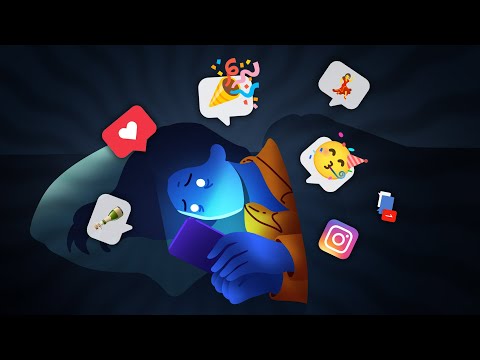
Emotions, huh? They’re wild. One minute you’re on top of the world, and the next, you’re in the dumps. Life really knows how to throw curveballs.
You ever feel like your emotions are just all over the place? Like one day you’re happy, and then out of nowhere, bam! You’re anxious or sad—what’s up with that?
Well, turns out there’s a whole spectrum of feelings we go through. Understanding them can be a real game changer. It helps you see what’s going on inside your head.
And guess what? Psychological research has some cool insights to share about this emotional rollercoaster we ride every day. So let’s dig into it!
Exploring the Spectrum of Emotions: Insights from Psychological Research and Brain Studies
Emotions are a big deal in our lives, right? They shape how we see the world and interact with others. When you stop and think about it, emotions aren’t just simple feelings. They’re part of a whole **spectrum** that varies in intensity and complexity. You might feel something mild like contentment one moment and then, bam!—you’re hit with a wave of anger or joy.
Research shows that emotions can be grouped into primary ones like **joy**, **sadness**, **fear**, **disgust**, and **anger**. But, here’s where it gets interesting: these primary emotions can mix and evolve into other feelings. Like when you’re feeling nostalgic—a combo of happiness from good memories and a twinge of sadness knowing those times have passed.
Psychological studies have demonstrated that our emotional responses can be linked to specific patterns in the brain. For example, when you feel fear, your amygdala lights up like a Christmas tree. This little almond-shaped thing is super important for processing threats. It’s like an alarm system for your brain!
In contrast, happiness tends to activate areas like the prefrontal cortex and nucleus accumbens. These regions are linked to reward processing—so when you score that promotion or get a compliment from someone special, these parts kick into gear, making you feel all warm and fuzzy inside.
And here’s something cool: researchers have developed models to help us see emotions as existing on a kind of spectrum rather than just binary states (like happy or sad). Imagine it as a color wheel where different hues blend together instead of being separated by hard lines. This idea really captures the complexity of how we experience feelings.
You might wonder what this means for us in everyday life. Well, consider how people react differently to the same situation based on their emotional state at that moment. One person might find joy in eating ice cream during tough times while someone else feels nothing but guilt afterward because they’re managing stress differently.
Understanding this spectrum isn’t just theoretical; it has real-life applications too! Think about emotional intelligence—it’s all about recognizing your own feelings as well as those of others around you. The more we understand our emotional spectrum, the better we can communicate and relate to one another.
So next time you’re caught up in an emotion—whether it’s frustration because someone cut you off in traffic or sheer bliss while hanging out with friends—remember that it’s part of this vast landscape we call human emotion! Recognizing where you stand on this spectrum can help navigate your feelings better and connect more deeply with others along the way.
In the end, emotions aren’t just background noise; they’re integral parts that shape our experiences day by day!
Exploring the Role of Emotions in Psychology: Insights and Perspectives
Emotions are a huge part of who we are and how we interact with the world. Seriously, think about it—every day, your feelings influence your decisions and relationships. Let’s break down why emotions matter in psychology.
First off, emotions give us insight into our inner states. They’re like a weather report for your mind. When you feel happy, sad, or even angry, it’s usually signaling something important about your life or situation. For example, if you feel anxious before a big presentation, that might be telling you to prepare more or maybe rethink if it’s something you truly want to do.
Then there’s the connection between emotions and behavior. Your emotional state can really sway how you act. You know those days when you’re just grumpy? Well, that mood can affect how you talk to others or tackle tasks. If you’re feeling particularly cheerful, you’re more likely to approach people with kindness and openness.
Another thing worth noting is how emotions shape our memories. It’s true! Ever wonder why some moments stick with you forever? It often boils down to the emotions tied to those experiences. Think back to a time when you felt ecstatic—maybe at a wedding or while achieving a long-term goal. Those feelings make those memories pop out in vivid detail compared to an average day filled with neutral vibes.
You might also find it interesting that emotions can be contagious. Yup! Have you ever been in a room where someone was super fired up? That energy can spread like wildfire! The same goes for sadness; if someone nearby is feeling low, it can affect how others feel too.
Now onto another cool aspect: emotional intelligence. This is all about understanding your own feelings and recognizing what others are feeling too. Being emotionally intelligent helps improve communication and strengthens relationships—whether they’re personal or professional. If you’re good at picking up on someone else’s mood swings, then navigating conversations becomes way easier.
However, sometimes emotions can muddle our judgment. When we’re overly emotional—or maybe not emotional enough—it can lead us to make questionable decisions. Like that time when your friend called you up upset over something minor? You might have reacted over-the-top because their anger triggered something inside of you.
And here’s something juicy: there’s this spectrum of emotions we experience daily—from joy all the way to disgust—and each one plays its role in helping us navigate life. It’s kind of like having an emotional toolbox; different situations call for different tools!
In short, exploring the role of emotions in psychology reveals so much about ourselves and our behavior patterns. Emotions aren’t just fleeting feelings; they’re rich signals guiding us on this wild journey called life!
Comprehensive Guide to the Definition of Emotion in Psychology: Downloadable PDF Resource
Emotions are a big deal in psychology. So, let’s break it down in a way that’s easy to digest. Basically, emotions are those feelings that pop up in response to different situations. They can be triggered by our thoughts, interactions, or just the world around us.
The Spectrum of Emotions covers a wide range of feelings. Think of emotions as sitting on a sliding scale—from really intense ones like anger or joy to softer ones like contentment or nostalgia. You know that feeling when you see an old photograph? That warm rush? That’s nostalgia right there!
Here’s the thing: emotions aren’t just about what we feel; they actually affect how we behave and think too. If you’re feeling scared, for instance, you might avoid risks that you’d normally take while being super chill.
Now, onto some key points about emotions:
- Basic Emotions: Psychologists often talk about basic emotions—like happiness, sadness, fear, anger, surprise, and disgust. These are universal; everyone feels them no matter where they’re from.
- Complex Emotions: Then there are complex emotions like jealousy or guilt that mix basic emotions together. They can be trickier and more nuanced than just feeling sad or happy.
- Cultural Influences: Culture plays a huge role in how we express and even feel our emotions. What’s considered acceptable in one culture might not fly in another.
- Theories of Emotion: Various theories explain how we experience emotions—like the James-Lange theory which suggests our body reactions happen first and then we label them as feelings.
- Emotional Regulation: Knowing how to manage your emotions is important! This means finding healthy ways to express feelings instead of bottling them up or exploding.
So yeah, understanding the ins and outs of emotion helps with everything from personal relationships to mental health management. Imagine you’re at a party but feel anxious—you’re not alone! Recognizing that feeling can lead you to find ways to better handle it.
And don’t forget about emotional intelligence! It’s all about being aware of your own feelings and understanding others’. This can lead to stronger connections with people and better communication.
Overall, diving into the world of emotion in psychology gives you insights into yourself and others around you. It’s kind of like having a map for navigating life’s ups and downs!
Emotions, right? They can feel like a wild rollercoaster sometimes. One minute you’re on top of the world, and the next, you’re in the depths of despair. It’s kind of crazy how our feelings can shift so dramatically throughout the day.
You might have noticed this in your own life. Picture a day when you wake up feeling optimistic about a project at work. Then, later, something goes wrong—maybe a colleague gives you feedback that stings just a little too much. Suddenly, that excitement turns into frustration or even anxiety. It’s like flipping a switch without warning!
Psychological research digs into this whole emotional spectrum and helps us understand why we feel what we do. Turns out, emotions aren’t just random bursts; they exist on this sliding scale. Instead of thinking about emotions as black and white—happy or sad—it’s more like all these shades in between: joy, contentment, anger, confusion… it goes on!
One cool thing is that emotions can blend together too. You can be proud yet anxious about your performance in front of an audience. Or feel grateful while also dealing with regret for missed opportunities. This mixing pot really illustrates how complex we humans are.
Researchers talk about basic emotions: happiness, sadness, anger, fear, surprise, and disgust—but then there are secondary emotions that spring up from these basic ones. Like when sadness morphs into jealousy because someone else seems to have it figured out while you’re still navigating life’s messiness.
And don’t forget context! Something that makes one person burst into laughter might leave another person scratching their head in confusion. It all depends on personal experiences and backgrounds.
So here’s the kicker: understanding that emotions exist on a spectrum helps us communicate better with ourselves—and others too! When we acknowledge our feelings as part of being human instead of trying to shove them aside or label them as good or bad, we open ourselves up to deeper connections with those around us.
It’s pretty powerful stuff when you think about it—the mere acknowledgment that it’s all part of the human experience makes navigating those ups and downs a little more manageable! Emotions don’t define us but rather guide us through this beautiful (and sometimes messy) journey called life.