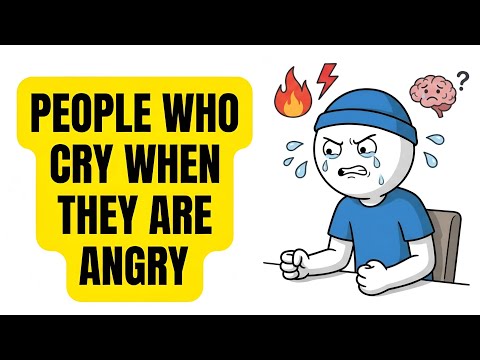
You know those moments when your emotions feel like a roller coaster? One minute, you’re on top of the world, and the next, you’re down in the dumps. Yeah, that’s emotional dysregulation for you.
It’s pretty common, though. Seriously! We all have days when we can’t seem to keep our feelings in check. But what does it actually mean?
Well, it’s all about how we manage our emotions—or sometimes how we don’t. When things get chaotic up there in your head, it can lead to some wild reactions and behaviors.
And trust me, it’s not just about being sad or angry. It’s a whole range of feelings that can go haywire—like anxiety spiraling out of control or joy turning into frustration because you just can’t chill out.
So let’s break it down and talk about what emotional dysregulation really is and how it shows up in our lives. Sounds good?
Understanding Emotional Dysregulation: Comprehensive Testing and Assessment Guide
Emotional dysregulation can feel like being on a rollercoaster that just won’t stop. One minute, you’re feeling on top of the world, and the next, emotions are swirling around like a tornado. Basically, it’s about having trouble managing your feelings—knowing how to express them or even what they are at times.
So, what is emotional dysregulation? It refers to difficulties in controlling emotional responses. When someone struggles with this, they might snap over small things or feel overwhelmed by sadness without knowing why. It’s not just about feeling bad; it’s also about struggling to cope in daily life because emotions can get so intense.
Why does it happen? Well, several factors come into play here. Sometimes it’s linked to childhood experiences—like growing up in an environment where emotions were ignored or dismissed. Other times, it could be related to mental health conditions like anxiety or depression. You follow me?
To really get a grasp on emotional dysregulation, testing and assessment are crucial. This isn’t about sending someone through a bunch of tests just for the sake of it—it’s more about understanding their unique experiences and challenges.
When professionals assess for emotional dysregulation, they often look for:
- Self-reported symptoms: How people describe their feelings and behavior can reveal a lot.
- Behavioral observations: Watching how someone reacts in different situations can highlight patterns.
- Cognitive assessments: Understanding how thoughts influence feelings is key.
You know? Sometimes people may not even realize they’re struggling until someone points it out or they start reflecting on their experiences.
The assessments themselves can include questionnaires designed specifically for emotional regulation issues, interviews where the professional talks with the person in-depth, and observational techniques that track emotional responses over time. This way, the evaluator gathers a complete picture of how emotions affect that individual.
Let’s say you have a friend who always seems to blow up over minor inconveniences—like when someone cuts them off in traffic or when their café order is wrong. These reactions might stem from some underlying issues with regulating emotions effectively.
Once an assessment takes place and reveals emotional dysregulation tendencies, there are various strategies that can help manage these intense feelings better. Coping skills, mindfulness practices, or even working through past experiences with therapy can make a difference.
In summary? Emotional dysregulation is all about struggling with those big feels when they hit hard. Assessing this issue involves looking inward at feelings while also considering behaviors and thoughts involved in the mix. With the right support and understanding of these patterns, folks can start finding more balance in their emotional lives! It’s all part of learning how to ride those ups and downs without flying off the rails!
Understanding Emotional Dysregulation: Key Examples and Insights for Effective Management
Emotional dysregulation is like when your feelings are on a rollercoaster, and you can’t quite figure out how to get off. You know those moments when you feel overwhelmed, like everything’s too much? That’s emotional dysregulation. It happens when you struggle to manage or respond to your emotional experiences in a healthy way.
What is Emotional Dysregulation?
At its core, emotional dysregulation means having difficulty controlling your emotions. Instead of reacting in a balanced manner, you might find yourself swinging from extreme highs to lows. Maybe you’re feeling really happy one moment and then suddenly angry or sad. This inconsistency can be pretty exhausting!
One common example? Think about someone who reacts explosively when they’re frustrated. Instead of calmly discussing what’s bothering them, they might yell or throw things. It’s not because they want to be that way; it’s just that their emotions have taken over.
Key Signs of Emotional Dysregulation
Recognizing signs is super important if you want to understand this better. Here are a few:
- Intense Reactions: You might cry over small issues or rage over minor inconveniences.
- Difficulty Calming Down: Once you’re upset, it feels like it’s impossible to cool off.
- Impulsive Behavior: Doing things without thinking about the consequences—like snapping at someone when you’re angry.
- Avoiding Emotions: Trying to suppress feelings instead of addressing them can make things worse.
Let me share an example. Imagine a college student who gets a bad grade on an assignment. Instead of talking it out with the professor or figuring out how to improve next time, they might throw their papers across the room and storm out. This reaction isn’t necessarily about the grade itself but more about how they manage (or don’t manage) their feelings.
The Role of Triggers
Triggers play a huge role in emotional dysregulation. Sometimes certain situations make our emotions flare up more than usual. For instance, if someone has had past experiences with rejection, even a simple comment from a friend could lead them to feel deeply hurt or defensive.
You know that feeling when someone says something that strikes a nerve? Yeah… So let’s say during dinner with friends, one person makes an offhand comment about study habits, and suddenly you’re all defensive and angry—even if it wasn’t aimed at you specifically! That’s your trigger coming into play.
Strategies for Management
So what can help manage emotional dysregulation? Here are some ideas:
- Meditation and Mindfulness: Taking time each day just for yourself can help ground those swirling feelings.
- Coping Skills:** Learning new ways to express your emotions safely is essential!
- Talk it Out: Sharing your feelings with trusted friends can provide support and clarity.
- Avoid Substance Abuse: Trying to numb your feelings often leads down the wrong path!
Imagine using mindfulness techniques when feeling overwhelmed—you take five deep breaths before reacting instead of yelling right away! It could change the whole situation.
In summary, understanding emotional dysregulation goes beyond just naming emotions; it’s all about recognizing our patterns and working towards healthier responses. By acknowledging triggers and finding effective management strategies, we can steer ourselves through those rollercoasters with more ease!
Understanding Emotional Dysregulation in ADHD: Causes, Effects, and Management Strategies
Sometimes, when you think about ADHD, you might picture hyperactivity or trouble focusing. But there’s more going on under the surface, like emotional dysregulation. So what is that exactly? Well, it’s when folks with ADHD have a tough time managing their emotions. Let’s unpack this a bit.
Causes of Emotional Dysregulation
The roots of emotional dysregulation in ADHD are pretty complex. Basically, it stems from differences in how the brain works. Those with ADHD often have less activity in areas associated with impulse control and emotional regulation. This can lead to sudden emotional responses—ever felt rage over a minor inconvenience? Yep, that’s a classic example.
There’s also the matter of neurotransmitters. These are chemicals in your brain that help transmit signals. People with ADHD might have lower levels of serotonin and dopamine, which can impact mood stability—making ups and downs feel even more extreme.
Effects on Daily Life
So, what does this look like day-to-day? Emotional dysregulation can affect relationships and performance at work or school. Imagine getting into an argument with your friend because they didn’t text back right away—it feels massive in the moment but often isn’t as big as it seems later. This kind of intense reaction can lead to misunderstandings and hurt feelings.
And here’s the kicker: recurring emotional outbursts can lead to anxiety or even depression over time. You may start to feel isolated or misunderstood, which only adds fuel to the fire of those emotions.
Management Strategies
Managing emotional dysregulation in ADHD isn’t always easy but there are ways to find some balance.
- Acknowledge Your Emotions: It sounds simple but recognizing what you’re feeling is key!
- Practice Mindfulness: Techniques like deep breathing or meditation can really help center you.
- Break Tasks Into Small Steps: If you’re staring down a huge project and feeling overwhelmed—just take it one bite at a time!
- Create a Support System: Talk about your feelings with friends or family who get it.
- Seek Professional Help: Sometimes chatting with someone trained can bring new strategies into play.
Emotional dysregulation is just one part of ADHD but understanding it helps build compassion toward ourselves and others dealing with similar issues. It’s all about finding those coping skills that work for you and learning to navigate life’s ups and downs without getting thrown off balance too often!
Emotional dysregulation is one of those terms that sounds heavy, but when you break it down, it’s really about how we manage our feelings. Have you ever had one of those days where even the tiniest things set you off? Like, maybe someone cuts in front of you in line, and suddenly you’re seeing red? Or perhaps a small mistake at work makes you spiral into self-doubt? That’s emotional dysregulation creeping in.
Imagine this: You’re chatting with a friend and they make an offhand comment that hits too close to home. Instead of just brushing it off, your heart starts racing, and you can’t keep your cool. You end up overreacting or withdrawing instead of talking it out. That’s the thing—often we feel emotions so intensely that managing them becomes overwhelming.
So, what causes this emotional rollercoaster? A mix of things! It could be past experiences or even biological factors like brain chemistry. Stressful situations can also play a big role. Think about high-pressure environments; they can trigger feelings that lead to dysregulation pretty quickly.
It’s not just about getting upset or sad; it’s also the struggle to find balance on good days too. Sometimes, we might ride the wave of happiness but then crash hard into sadness as if our emotions are on a seesaw that’s outta whack.
But here’s where it gets interesting: understanding emotional dysregulation can really empower us. When you recognize what’s happening inside your head and heart, it’s like shining a flashlight in a dark room—you start to see what you’re dealing with. Instead of feeling lost in chaos, you learn to navigate through it.
For instance, if I know I’m prone to snap when I’m tired or stressed—like when my kids won’t stop arguing—I can take a step back before reacting. Maybe I’ll take a deep breath or give myself five minutes alone instead of jumping into the fray with an explosion of frustration.
By understanding yourself better, it opens up space for growth and healing. It allows you to address these patterns without judgment and maybe even share your experiences with others who relate to what you’re feeling.
The road isn’t always smooth, but little by little you start building awareness around your emotions and how they affect your life and relationships—and that’s pretty powerful stuff!