You know what’s wild? Relationships can be super tricky. Sometimes you just hit a wall, and it feels like there’s no way through.
That’s where Emotionally Focused Therapy (EFT) comes into play. It’s all about understanding and connecting on a deeper level.
Picture this: You’re sitting with someone you care about, but instead of feeling close, there’s this weird tension hanging in the air. It’s awkward, right?
EFT helps you break down those walls. It opens up pathways to real healing and connection. Like, you rediscover that bond that brought you together in the first place.
So, if you’re curious about how emotions shape your relationships, stick around! This could be just what you need to mend those ties or strengthen your connection even more.
Discover Healing Connections with Emotionally Focused Therapy Near You
Emotionally Focused Therapy, or EFT for short, is all about understanding and improving the way we connect with the people we care about. It’s like taking your emotional temperature and figuring out how those feelings affect your relationships. This therapy focuses on creating a safe space where you can explore vulnerable emotions and strengthen bonds.
Basically, EFT is grounded in the idea that emotional connection is super important for our well-being. When relationships are struggling, it can really take a toll on our mental health. Think about it: when someone feels disconnected from their partner or family, anxiety or sadness can creep in pretty quickly.
EFT works in stages. First off, there’s a focus on identifying negative patterns in communication. You know those arguments that happen over the same issues? Yeah, EFT helps to bring those to light. Then comes expressing feelings and needs openly. It’s like taking down barriers that stop us from truly connecting.
- Recognition of Emotions: The therapist helps you recognize what you’re feeling—sadness, anger, or even fear—and how these feelings influence your actions.
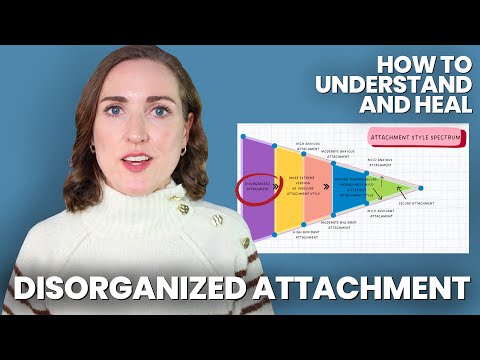
- Attachment Styles: Everyone has different ways of relating to others based on past experiences. Understanding these styles can shed light on current issues.
- Reconnecting: As emotions are shared and understood better, partners often rebuild their connection and trust.
Imagine this: two friends get into an argument over something small but underlying issues bubble up. Instead of just going back and forth with hurtful words, they learn through EFT that what they’re really feeling is fear of rejection or not being valued. By talking through those deeper emotions with the help of a trained therapist, they can clear up misunderstandings and mend their friendship.
Now let’s talk about where to find this kind of therapy near you! Many therapists who specialize in EFT can be found online or through local mental health clinics. It’s important to look for someone who resonates with you because a strong connection with your therapist makes all the difference!
When searching for an EFT therapist:
- Check Credentials: Make sure they’re trained specifically in Emotionally Focused Therapy.
- Seek Reviews: Hearing from others who’ve been helped can give insight into what to expect.
- Scheduling Consultations: Many therapists offer initial consultations to see if it feels like a good match.
In sum, Emotionally Focused Therapy dives deep into emotional experiences—it’s not just about solving problems but really understanding what lies beneath them. It’s about healing connections so that people can truly feel seen and heard by each other. If you’re curious about exploring this sort of therapy for yourself or someone you care about, it’s definitely worth considering!
Exploring Healing Through Connection LLC: A Holistic Approach to Wellness
Exploring healing through connection is all about how our relationships and emotional bonds can really make a difference in our overall wellbeing. You know, we often think of healing as something that happens inside us—like when we deal with grief or tackle anxiety. But, here’s the kicker: our connections with others play a huge role in this process.
Let’s talk about Emotionally Focused Therapy (EFT), which is one way to foster those healing connections. It focuses on understanding emotions and how they shape our interactions. So basically, it’s like using your feelings as a compass to navigate your relationships better. For instance, if you’re feeling neglected by someone close, EFT encourages you to express that feeling openly instead of bottling it up. This creates an environment where both you and the other person can connect on a deeper level.
Another key point in this holistic approach is the idea of emotional safety. When you feel safe expressing your emotions, it opens the door for genuine conversations. When people feel heard and validated, they are more likely to heal from past traumas or current stresses together.
Think about times when you’ve felt really supported by friends or family during tough moments. Those relationships not only provide comfort; they also have the power to change how we cope with struggles moving forward. Isn’t that something? That’s why connecting emotionally is seen as vital for overall wellness.
Also, community plays a big part in this whole equation, too! Being part of a supportive group can help lift your mood and reinforce positive behavior patterns like empathy and kindness. For example, joining a support group can help individuals going through similar challenges feel less alone—strengthening their connections while tackling their issues together.
In practice, exploring these healing connections might involve shared activities or simply spending time listening to one another without judgment. This shared experience fosters understanding, helping people feel less isolated in their struggles.
So yeah, it’s evident that emotional connections are essential when we talk about wellness. They not only enrich our lives but also empower us to heal from within by leaning on others who care deeply about us! And honestly? That kind of bond can be just what we need sometimes to get back on track emotionally and mentally; well-being isn’t just a solo journey—it involves all of us together!
You know how sometimes it feels like you’re on different planets with the people you care about? One minute, everything seems fine, and then BAM! You hit a wall of emotional distance, misunderstandings, or just plain hurt. That’s where something like Emotionally Focused Therapy (EFT) comes in. It’s all about reconnecting those emotional dots and finding your way back to each other.
Imagine this: a couple who’s been together for years. They used to share everything—both the good and the not-so-good moments. But lately? It feels more like they’re just roommates sharing space. One night, during an argument over dirty dishes (classic, right?), they realize it’s not really about the dishes at all. It’s about feeling unheard or unappreciated. That tension? It’s like this invisible barrier that builds up over time. EFT can help break down that wall.
So what’s the essence of EFT? Well, it focuses on understanding and expressing emotions more clearly within relationships. It encourages folks to talk about what they’re truly feeling instead of just lobbing complaints back and forth. When you get to the heart of things—like those tender fears or insecurities—that’s when real healing can happen.
And here’s where it gets interesting: it’s not just for couples! Friends, families, even coworkers can benefit from these principles too. Imagine being able to express your feelings without fear of judgment or getting defensive responses back. It’s kind of liberating!
But let’s be real for a second: opening up emotionally isn’t always easy. You might find yourself feeling vulnerable or even terrified at times—and that’s okay! I remember a friend sharing her struggle with her partner during therapy sessions; she felt so exposed discussing her fears of abandonment. But guess what? That vulnerability ended up bringing them closer than ever.
The thing is, through EFT you learn how to respond better to each other’s emotions—like a traffic light guiding them through delicate conversations rather than throwing them into chaos mode. Essentially, instead of getting stuck in hurtful patterns, these tools help create safety and connection.
Healing connections isn’t just some pie-in-the-sky goal; it’s about actively choosing to be there for one another no matter what life throws at you—dirty dishes included! By diving into emotions together instead of avoiding them, relationships stand a better chance at growing deeper and stronger.
In short, healing doesn’t happen overnight—or by ignoring problems—but with empathy and honest engagement, it’s totally possible to turn those strained connections into something truly beautiful once again!