You know, emotions can be a rollercoaster sometimes. One minute you’re on top of the world, and the next you’re in a fog of confusion.
That’s what it can feel like for someone with Emotionally Unstable Personality Disorder (EUPD). It’s a mouthful, I know! But it really just means their emotions are, well, all over the place.
Imagine feeling intense feelings but not always knowing how to make sense of them. Sounds tough, right? And that’s where things like relationships and daily life can get pretty tricky.
In the NHS, there’s a lot to unpack when it comes to understanding this condition. It’s not just about symptoms—it’s about real people with real struggles.
So, let’s chat about what EUPD really looks like and how it fits into the bigger picture of mental health care.
Understanding Emotionally Unstable Personality Disorder: Symptoms, Causes, and Treatment Options
Emotionally Unstable Personality Disorder (EUPD), sometimes called Borderline Personality Disorder, can be pretty tough to deal with. It’s like you’re on a roller coaster of feelings and experiences that swing from high to low in no time. Understanding this disorder involves looking at its symptoms, causes, and potential treatment options. Let’s break it down.
Symptoms
- Intense emotions: People with EUPD often feel emotions really deeply. It’s not just sadness; it can be anger, fear, or joy that feels overwhelming.
- Impulsive behaviors: They might engage in risky activities—think binge eating, substance abuse, or unsafe driving. It’s like acting without thinking about the consequences.
- Poor self-image: Many struggle with their identity. They might feel like they don’t really know who they are or what they want.
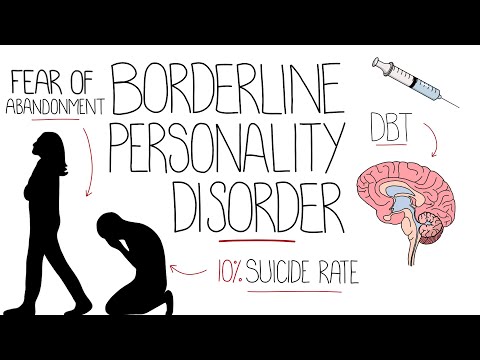
- Fear of abandonment: There’s often an intense fear that people will leave them. This can lead to frantic efforts to prevent real or imagined abandonment.
- Sustained feelings of emptiness: It’s common for someone with EUPD to feel a gnawing sense of emptiness or boredom.
The thing is, these symptoms can disrupt everyday life a lot. Like, imagine having a friend who constantly swings between adoring you one minute and pushing you away the next. It can be exhausting for both sides!
Causes
- Genetics: Some research suggests there might be genetic factors at play. If someone in your family has similar issues, there could be a higher chance you might experience them too.
- Environmental factors: Traumatic events during childhood, such as abuse or neglect, are linked to the development of EUPD.
- Biosocial model:This model suggests that emotional vulnerability combined with an invalidating environment (like not being understood by caregivers) could lead to this disorder.
You know, it’s kind of sad when you think about it—many people with EUPD might have faced some tough situations before things got out of hand emotionally.
Treatment Options
- Psychotherapy: Therapy is usually the first step in treatment. Dialectical Behavior Therapy (DBT) is one approach specifically designed for people with EUPD. It’s like learning new ways to handle intense emotions and relationships.
- The use of medications varies depending on the individual symptoms being experienced. Some may find relief through antidepressants or mood stabilizers; it helps but isn’t a full-stop solution.
- A support system:This could include family therapy or support groups. Having people around who understand your struggles makes a significant difference.
This journey isn’t easy; recovery takes time and patience from everyone involved—most importantly the person dealing with EUPD themselves!
If someone close to you is navigating this path, try just being present for them without judgment. Sometimes just knowing someone cares makes all the difference in the world.
So remember: while EUPD can throw some serious curveballs into life, understanding it better is key—like getting more clarity on how we relate to those around us!
Understanding Emotional Unstable Personality Disorder: Insights from the NHS
Emotionally Unstable Personality Disorder, often known as EUPD, can really shake things up in a person’s life. You might find this term tossed around, but what does it really mean? In simple terms, it’s a mental health condition that affects how you feel and interact with the world around you.
Basically, if someone has EUPD, they experience intense emotions that can change quickly. One minute you might feel on top of the world, and the next you could be feeling completely crushed. This emotional rollercoaster can make relationships pretty tough too.
- Intense Emotions: Feelings can be like waves—crashing hard and fast. So, managing those ups and downs is a challenge.
- Fear of Abandonment: Often, there’s a deep fear of being alone or rejected. This can lead to frantic efforts to avoid being left behind.
- Impulsive Behavior: People with EUPD might make sudden decisions without really thinking them through. This could range from spending sprees to risky activities.
- Identity Issues: Sometimes, there’s confusion about self-image or personal values. You know that feeling when you’re not quite sure who you are? That’s part of it.
This all sounds pretty heavy, right? And it is! The ups and downs can strain friendships or romantic relationships. For instance, someone might swing from being super affectionate one day to feeling detached the next. It leaves both them and their loved ones unsure of how to respond.
The amazing part is that understanding this disorder doesn’t mean simply labeling someone as “crazy” or “difficult.” Instead, it offers a glimpse into their struggles—like watching a movie where the main character wrestles with inner demons. Recognizing these patterns is crucial for empathy and support.
Treatment options are available through services like NHS which often include therapy focused on managing feelings better—think of it as building your emotional toolbox! Therapy can help people learn to understand their emotions rather than just react to them.
If someone faces challenges related to EUPD, it’s super important for them to seek support from professionals who get what they’re going through. Learning coping mechanisms can take time but often leads to positive changes in emotional regulation over time.
So next time you come across someone struggling with emotional instability, remember: it’s not just about mood swings; it’s about navigating a complex landscape of feelings—and everyone deserves understanding while they find their way through it!
Understanding Emotionally Unstable Personality Disorder: A Comprehensive NHS Guide (PDF)
Emotionally Unstable Personality Disorder, often called EUPD, can be a bit tricky to wrap your head around. The name itself sounds intense, right? But let’s unpack it a little.
EUPD is primarily about difficulties with mood regulation and self-image. Imagine feeling like your emotions are on a roller coaster—sometimes you’re up, and other times you’re down. This disorder isn’t just about being moody; it affects how you think about yourself and how you relate to others.
One major thing about EUPD is emotional instability. People might experience intense feelings that shift quickly. For example, one moment you could feel super happy and then suddenly switch to feeling empty or angry. It’s like having emotional whiplash!
Another aspect is impulsive behavior. You might find yourself making hasty decisions without considering the consequences. This could mean spending money recklessly or entering dangerous situations just to feel something different.
Relationships are often affected too. You may go through cycles of idolizing someone and then feeling abandoned when they don’t meet your expectations. It can lead to a lot of ups and downs in friendships or romantic relationships.
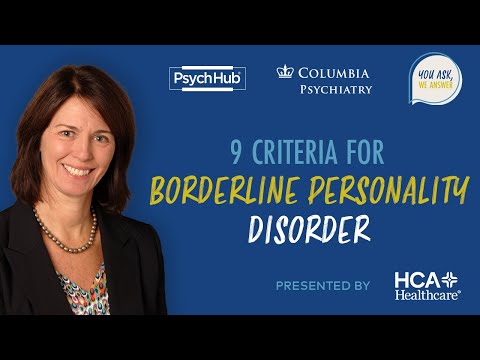
Now, let’s talk diagnosis. A trained mental health professional usually looks for specific criteria in the DSM-5 (that’s the big book that helps diagnose mental disorders). They’ll consider symptoms such as:
- Frantic efforts to avoid abandonment
- Unstable relationships
- Identity disturbance; like not knowing who you are or what you want
- Impulsivity in areas like spending, sex, or substance use
- Recurrent suicidal behavior
- Affective instability; emotional highs and lows that happen quickly
- Chronic feelings of emptiness
- Inappropriate anger
- Dissociative symptoms; feeling disconnected from reality during stress.
It’s key to remember: just because someone shows one or two of these traits doesn’t mean they have EUPD. It’s all about the bigger picture and how these behaviors impact daily life.
To manage EUPD, people may benefit from therapies focused on emotional regulation and interpersonal skills. One popular approach is Dialectical Behavior Therapy (DBT), which teaches coping mechanisms for dealing with strong emotions.
Also worth mentioning is that it’s important to seek help if you or someone else shows signs of this disorder. Talking about it can feel daunting but starting with family members or friends—people who can offer support—might make all the difference.
So yeah, understanding EUPD isn’t straightforward but knowing more helps in navigating its challenges!
Emotionally Unstable Personality Disorder (EUPD), or Borderline Personality Disorder as it’s sometimes called, is a pretty complex topic that often gets brushed over. It’s not always easy to grasp just what someone with EUPD goes through. The first thing to note? It’s not about being “unstable” in a way that makes someone unlikable or anything like that. It’s more about emotional intensity and turmoil.
Imagine you’re at a party where the music is blasting, and suddenly the volume cranks up to max. You know that feeling of overstimulation? That’s kind of how it can be for someone with EUPD when it comes to emotions. They might feel things really intensely—like joy, sadness, anger, or anxiety—but finding ways to cope with those feelings isn’t always straightforward.
In the NHS, understanding and treating EUPD usually involves a combination of therapies—dialectical behavior therapy (DBT) is often highlighted as particularly effective. This type of therapy helps folks learn skills for managing their emotions better and improving relationships.
I remember hearing from a friend who lived with EUPD. They described feeling like riding a rollercoaster every single day. One moment they’d feel on top of the world, and the next, they’d be plunged into despair over what seemed like small things. This inconsistency made it tough for them to maintain relationships or keep stable jobs. But what really struck me was their desire for connection despite all that emotional chaos. It’s such a human need!
Yet, you know how stigma can be? Sometimes people don’t understand the disorder itself, leading to misconceptions or prejudices against those who have it. It’s so important for healthcare professionals in the NHS to create spaces where individuals with EUPD feel safe and understood rather than judged.
The system has challenges too—like long waiting lists and resources that can feel spread thin at times. But bringing awareness helps create empathy and hopefully leads to better services tailored for those struggling with emotional instability.
So yeah, understanding EUPD isn’t just about ticking boxes on treatment plans; it’s about seeing the person behind the diagnosis—their struggles, hopes, and everything in between!