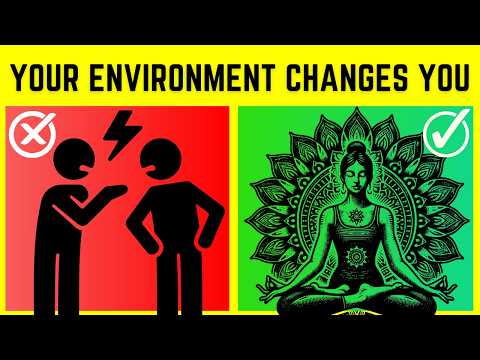
You know that feeling when you walk into a crowded coffee shop and instantly feel, like, more alive? Or how about when you step into a messy room and suddenly feel a wave of stress? It’s wild how our surroundings can shape how we act and feel.
Think about it. The colors on the walls, the sounds in the background, even the people around us—they all play a part in our mood. Ever notice how you’re way more productive in a bright, open space than in a dim corner of your house?
What happens is, we’re not just living in our environments; we’re reacting to them constantly. And yeah, that’s some powerful stuff! So let’s dive into how these little details around us make such a big impact on who we are and what we do.
Understanding the Psychological Factors That Influence Human Behavior: Insights and Implications
Understanding how our surroundings shape our behavior is super interesting, and honestly, it’s something that can hit close to home. Think about it: how many times have you walked into a room and just felt a vibe? That’s because the environment plays a huge role in influencing how we act, feel, and even think.
First off, let’s talk about social influences. You know how hanging out with certain friends can make you act differently? Like if you’re with a chill group, you might be more relaxed or goofy. But when you’re with people who are serious about school or work, suddenly you’re all business too. This is called social conformity. It’s almost like we have this invisible script that changes based on who we’re around.
Next up is the physical environment. If you’ve ever been in a bright, sunny café vs. a dimly-lit bar, you probably felt different in both places. Bright colors and natural light can boost your mood and energy levels. Meanwhile, darker environments might make you feel more introspective or even sadder. Researchers call this the stimulus-response relationship, where our surroundings send signals to our brains that affect how we react.
Now let’s touch on cultural factors. The culture we grow up in shapes our values and behaviors in powerful ways. For instance, some cultures emphasize community and togetherness while others promote individuality and personal success. This cultural backdrop influences everything from your career choices to your view of relationships—it’s like an unseen force guiding your decisions every day.
And then there’s environmental stressors. Picture yourself living in a noisy city versus a peaceful countryside; the constant noise or chaos of urban life can ramp up stress levels and change how we behave…often leading us to be more irritable or anxious than if we were enjoying nature’s tranquility.
Let’s not forget about personal space. Have you noticed that when someone stands too close during conversation, it can feel awkward? There’s this idea of personal space—it’s vital for comfort but varies by culture. In some places, people stand closer together when talking; in others, it could be three feet apart! Violating this space can cause discomfort or even aggression.
Lastly, consider the influence of technology. Social media changes how we interact daily. Sometimes scrolling through those perfect vacation pics leaves us feeling inadequate or jealous—a prime example of how digital surroundings shape emotional responses. It creates this pressure to keep up with others’ lives.
So yeah, understanding these psychological factors gives us insight into not just why people do what they do but also helps us navigate our world better! Recognizing these influences lets us make informed choices about our environments—maybe choosing a brighter office space, connecting with different social groups for support or intentionally limiting time spent on social media platforms for better mental health.
In short: **environment matters**! Each factor interacts with one another like pieces of a puzzle to shape who we are as individuals navigating life together.
Exploring the Impact of Environmental Factors on Human Behavior: Insights and Implications
When we talk about how our surroundings impact our behavior, it’s like peeling back the layers of an onion. There’s a lot going on that shapes how we act, think, and feel. Environmental factors are not just the big stuff like cities or rural areas but also the little things that affect our daily lives.
First off, let’s consider physical space. The layout of a room can seriously change how you feel and interact with others. Think about it: a cramped office could make you feel anxious or stressed, while an open space with natural light might boost creativity and happiness. Well-designed environments can enhance productivity and well-being.
Then there’s social environment. The people you surround yourself with have a huge effect on your behavior. If you’re hanging out with positive, motivated folks, you’re more likely to adopt similar attitudes. That sense of belonging can push you to be your best self. On the flip side, being around negativity can drain your energy and impact your mental health in not-so-great ways.
Another interesting factor is cultural influences. Culture shapes values, behaviors, and even what we consider acceptable. For instance, in some cultures, collectivism is prized over individualism—people might prioritize community over personal goals. This can lead to different approaches to teamwork or conflict resolution.
Now let’s chat about nature vs. nurture. Your environment can’t take all the credit for who you are; genetics plays a role too! But think about how these factors interact. Someone might be predisposed to anxiety due to their genes, but living in a supportive environment could help them manage that anxiety better than someone in a stressful setting.
Then there are economic factors. Money impacts access to resources like education and healthcare—this shapes behavior too! Imagine growing up in a neighborhood with limited resources; it’s harder to pursue opportunities compared to someone living in an affluent area with lots of support systems.
And what about technology? We’re now part of this crazy digital world! Social media and online interactions have changed how we express ourselves and connect with others. Sometimes it helps us stay close; other times, it brings comparisons that can harm our self-esteem.
To wrap this up nicely: our surroundings are rich tapestries woven from physical spaces, social connections, cultural norms, economic status, and technological advances. These environmental factors aren’t just background noise—they play active roles in shaping who we are and how we behave every day. So next time you’re feeling off or acting differently than usual, check out what’s surrounding you—there might be more than meets the eye!
Understanding Environmental Behavior Triggers: Key Factors Influencing Sustainable Actions
Ever notice how a lush park can make you feel more relaxed, while a crowded, noisy street gets your heart racing? Our environments play a big role in shaping our feelings and actions. Understanding environmental behavior triggers can help us figure out why we act the way we do, especially when it comes to making sustainable choices.
First off, the physical layout of a space can really influence how we behave. Think of a grocery store designed with organic products at eye level. This placement nudges us to grab those items instead of the regular ones. It’s like saying, “Hey! Look here! This is the good stuff!” The same happens in parks where recycling bins are placed prominently—they sort of act like little friendly reminders to recycle.
Social norms also play into this mix. If you’re surrounded by people who recycle or use public transport, you’re more likely to jump on that bandwagon too. It’s like when your friends start going plant-based and suddenly you’re wondering if you should try it too. Our behaviors often align with what we see others doing, even if it’s subtle.
The aesthetic appeal of nature can’t be overlooked either. Beautiful green spaces not only lift our spirits but also inspire us to protect them. Ever spent time in a vibrant garden and felt that urge to pick up trash nearby? There’s something about being in a positive environment that makes us want to contribute positively—it’s almost instinctive!
Cultural factors also shape how we engage with the environment around us. In some cultures, sustainability practices are part of daily life; they emphasize community bonds and respect for nature. Take traditional farming communities—many have sustainable practices woven into their culture because they know it’s crucial for their land and future generations.
A less obvious but super interesting factor is sensation exposure. If you often hear birds chirping or waves crashing when you’re outside, you’ll likely associate those sounds with relaxation and peace. Maybe that makes you want to spend more time outdoors or commit to keeping those places clean for others to enjoy too.
The feeling of empowerment also matters here! When people believe their small actions make a difference—like using reusable bags—they’re more likely to stick with those habits over time. That sense of doing something meaningful fuels further involvement in sustainable practices.
The bottom line? Our surroundings carry weight on our decisions and actions regarding sustainability. Whether it’s through design choices in spaces or cultural influences around us, understanding these environmental triggers helps illuminate why certain behaviors flourish while others fade away.
The next time you’re out and about, pay attention! Your environment might just be nudging you toward greener choices without you even realizing it!
You know how sometimes you walk into a room and just feel a certain vibe? Like, maybe it’s cozy and welcoming, or it feels all stark and cold? That’s not just your imagination—your surroundings can really mess with your head, in both good ways and bad.
Think about this: have you ever been in a place filled with plants and soft lighting? It probably made you feel relaxed, right? That’s because nature has this calming effect. Studies show that when we’re around greenery, our stress levels drop. But flip that coin, and imagine being stuck in a cramped, cluttered space. You might start to feel anxious or even irritable without really knowing why.
I remember a time I was visiting a friend’s new apartment. The walls were painted bright yellow, there were funky art pieces everywhere, and loads of light came through big windows. I felt instantly upbeat! We ended up binge-watching our favorite show without realizing how fast time flew by. It was like the space itself was cheering us on to have fun and enjoy each other’s company.
But the environment doesn’t just influence our mood; it can change how we act too. Have you ever noticed how people behave differently in a coffee shop versus at home? In public spaces, folks are usually more social or even polite—you’ll see strangers striking up conversations or sharing smiles. On the flip side, at home we tend to let our guards down; there’s more casual energy that comes out in the way we talk or interact.
Even bigger settings—like cities or neighborhoods—shape us too. Living somewhere vibrant like New York City can pump up your energy levels but might also ramp up anxiety with all that hustle and bustle around. Contrast that with living in a sleepy town where life slows down; things can feel comforting but might lack stimulation for some folks.
So basically, whether it’s the color of the walls you’re staring at or the buzz of activity outside your window, your environment is always having an effect on you—sometimes subtle, sometimes loud as a drum! Understanding this connection helps us realize just how powerful our surroundings can be when it comes to mood swings, social interactions, and even decision-making.
The next time you’re feeling off-kilter or super productive out of nowhere, take a moment to think about where you are at that moment! It could give you some real insight into why you’re feeling the way you do.