You know those moments when you just feel things, like really deep?
That’s your emotional intelligence kicking in. It’s not just a fancy term people throw around. It’s all about how well you understand your emotions and the emotions of others.
Think about it: ever been in a situation where someone totally got you? Or maybe you sensed when someone was feeling down, even if they didn’t say a word? That’s emotional intelligence at play!
It can seriously change your game when it comes to personal growth. You learn not just to react but to connect, adapt, and thrive.
So, let’s chat about what emotional intelligence is and why it matters for becoming the best version of yourself!
Unlocking Personal Growth: The Impact of Emotional Intelligence on Development
Emotional intelligence, or EQ, is like that secret ingredient that spices up your personal growth journey. You know how sometimes you feel things deeply but don’t quite understand why? That’s where emotional intelligence comes into play. It’s all about recognizing your own emotions and those of others, and using this awareness to navigate life.
When you develop your **emotional intelligence**, you’re basically training yourself to be more in tune with what’s going on inside and around you. This can lead to better relationships, improved communication, and a more balanced approach to challenges. Imagine having a rough day at work—EQ helps you not only recognize your frustration but also handle it without blowing up at your co-workers.
Getting a handle on emotional intelligence involves a few key areas:
- Self-awareness: This is the foundation of EQ. It means pinpointing what you’re feeling in any given moment. For example, you might feel anxious before giving a presentation not just because of the audience but because you’ve realized you’re actually scared of failing.
- Self-regulation: Once you know what you’re feeling, it’s about managing those emotions. If anger starts bubbling up during a tough conversation, being able to take a deep breath and calm yourself down is crucial.
- Empathy: This isn’t just about feeling sorry for someone else; it’s understanding where they’re coming from emotionally. Let’s say a friend is upset about their breakup: empathy lets you listen without jumping in with your own experiences right away.
- Social skills: Having strong social skills means using your understanding of emotions to foster better connections with others—like knowing when to offer support or when to give someone space.
- Motivation: This part’s about using emotional awareness as fuel for personal growth. When you’re aware of what drives you emotionally, like passion or fear, it’s easier to set goals that resonate with who you are.
Let me share a quick story: A guy named Sam was struggling with his relationships at work. He often felt overlooked and frustrated but never knew how to address it. After diving into some reading on emotional intelligence, he learned he was projecting his feelings instead of communicating them directly—kind of like yelling into a void! By becoming more aware of his emotions and practicing self-regulation, Sam started opening up during team meetings instead of shutting down.
Personal growth doesn’t happen overnight; it takes time and effort! But as you enhance your emotional intelligence, you’ll create ripples in every area of your life—from relationships to self-confidence.
So remember, tapping into **emotional intelligence** isn’t just helpful; it can completely transform how you see yourself and interact with the world around you.
Exploring Emotional Intelligence: A Pathway to Personal Growth and Development
Emotional intelligence, or EI for short, is like this secret sauce that can really spice up your personal growth journey. You know that feeling when you’re just vibing with someone, truly understanding where they’re coming from? That’s emotional intelligence in action. It’s about recognizing your feelings and the feelings of others around you.
Understanding Your Emotions
First off, you gotta get a grip on your own emotions. It’s not just about knowing when you’re angry or happy; it’s digging deeper. Like, what triggered that anger? Was it something someone said, or maybe just a rough day? When you’re in touch with yourself like this, it opens doors to self-awareness. You start to see patterns in your behavior. For instance, if every time someone critiques your work you feel crushed, it might show an underlying fear of inadequacy.
Empathy is Key
Next up is empathy. This is the part where you really tune into other people’s emotions. Have you ever been in a heated argument and suddenly realized that the person across from you is just as frustrated as you are? That moment of clarity? That’s empathy! By actively listening and trying to understand how others feel, not only do you strengthen your relationships but also create an environment of support and trust.
Managing Relationships
Now let’s talk about managing those relationships. Emotional intelligence helps in navigating social complexities. Imagine being at a family gathering where there’s tension between two relatives; having EI lets you mediate without making things worse. You could even diffuse awkwardness with some light-hearted joking or by changing the topic altogether!
Self-Regulation
Self-regulation comes into play here too. It’s all about controlling impulsive feelings and behaviors. Think about those moments when you’re super annoyed—maybe someone cuts you off on the road or doesn’t respect your personal space in line at the store. Instead of blowing up, which might just lead to regret later, emotional intelligence encourages you to pause and react calmly.
Motivation for Growth
Another biggie within emotional intelligence is motivation itself! When you’re emotionally aware, you’re more motivated to achieve goals aligned with your values rather than just chasing after rewards or validation from others. This internal drive can lead to profound personal development since it connects deeply with what matters most to you.
So yeah, basically embracing emotional intelligence can pave a clear path toward personal growth and development! By becoming more self-aware and empathetic while managing relationships better—and keeping those impulsive reactions in check—you’ll not only improve yourself but also have a positive ripple effect on those around you! Isn’t that something worth working on?
Enhance Your Emotional Intelligence: 10 Effective Strategies for Personal Growth
Emotional Intelligence (EI) is a big deal in personal growth. It’s all about understanding your own feelings and those of others, which can really impact your relationships and success in life. If you’re looking to enhance your EI, here are some effective strategies that could help, laid out nice and simple.
1. Self-Awareness
Being aware of your own emotions is like having a superpower. It helps you recognize what you’re feeling at any given moment. To improve this, try keeping a journal where you jot down your thoughts and feelings throughout the day. This practice not only clarifies your emotions but also spots patterns over time.
2. Practice Empathy
Empathy is understanding how others feel—not just hearing their words but really getting their vibe. Next time someone shares something personal with you, try to put yourself in their shoes. What would it be like if you were them? This can deepen your connections with others significantly.
3. Manage Your Emotions
We all have those moments when our emotions go wild—anger, sadness, or anxiety might creep in unexpectedly. So figuring out how to manage those feelings is crucial. When you’re feeling overwhelmed, take a deep breath or step outside for a few minutes to cool down before reacting.
4. Develop Effective Communication Skills
How well do you express yourself? Communication isn’t just about talking; it’s also about listening effectively! Make an effort to really listen when others speak and respond thoughtfully rather than just waiting for your turn to talk. You’ll find that it builds trust and understanding.
5. Learn to Handle Criticism
Criticism can sting! But instead of getting defensive, try viewing it as an opportunity for growth. When someone gives you feedback, think about whether there’s any truth to it or how it could help you improve in the future.
6. Build Strong Relationships
Surrounding yourself with positive people can uplift your emotional state! Reach out to friends or join groups that share similar interests or values; they can provide support during tough times and spark joy during good ones.
7. Practice Mindfulness
Mindfulness helps ground you in the present moment, making it easier to notice what you’re feeling without judgment. Whether it’s meditation or simply taking a minute each day to breathe deeply and notice what’s around you—this practice increases self-awareness and emotional regulation.
8. Set Personal Goals
Setting goals gives direction, which is essential for personal growth! Try defining specific emotional goals—like responding calmly during heated discussions—or relationship goals like reaching out more often to friends.
9. Cultivate Resilience
Life throws curveballs at everyone—it’s how we respond that counts! Work on bouncing back from setbacks by viewing challenges as chances to learn rather than defeat them as failures.
10. Keep Learning
Emotional intelligence isn’t static; it evolves over time like any other skill set! Read books on the subject, take courses related to interpersonal skills or attend workshops focused on self-improvement techniques.
Improving your emotional intelligence takes time and effort but seriously pays off in countless ways—from better relationships with friends and family to enhanced professional interactions—so why not give these strategies a shot? The journey toward better understanding yourself and connecting with others can be both eye-opening and rewarding!
Emotional intelligence, or EI for short, is one of those concepts that really makes you stop and think. You know, it’s not just about being smart; it involves understanding your own feelings and those of others. When I first heard about it, I thought it was just some fancy term thrown around in self-help books. But then I began to notice how big of a role it plays in everyday life.
Last year, a friend of mine went through a pretty rough patch. She was so overwhelmed with stress from her job and personal life that she just couldn’t see how her mood affected everyone around her. That’s when we had a heart-to-heart chat about how recognizing our feelings can change everything. I mean, as soon as she started to tune in to what she felt—and why—things began to shift for her.
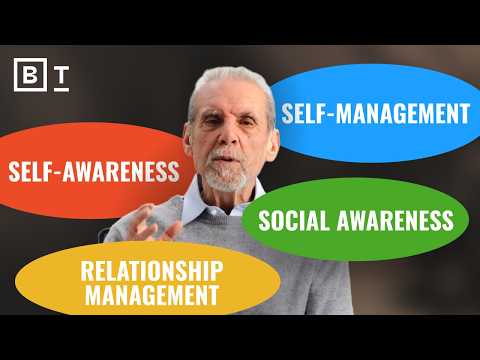
You see, emotional intelligence is all about awareness. First, there’s self-awareness: being able to pinpoint your emotions helps you respond rather than react impulsively. It’s like holding up a mirror and getting real with yourself, which is super important when you’re trying to grow personally.
Then there’s social awareness, which includes recognizing other people’s feelings and responding appropriately. If you can pick up on someone else’s vibe—like if they’re having a tough day—you can adjust your behavior accordingly and create better connections. It’s like being part of this unspoken dance where everyone knows their steps.
But it doesn’t stop there; emotional intelligence also covers managing your emotions well and navigating relationships without stepping on toes—a sort of emotional gymnastics! Imagine being in an intense conversation where emotions are running high: if you’ve got this skill down pat, you can keep cool while finding ways to communicate effectively.
It’s pretty incredible how this all comes together to aid personal growth. When we become aware of our emotions—both the highs and lows—we open the door for healthier relationships with ourselves and others. It’s all interconnected; the more emotionally intelligent you are, the easier life seems to flow.
So yeah, even though it’s easy to overlook sometimes because we’re so busy chasing goals or dealing with daily chaos, cultivating that emotional intelligence can truly supercharge our journey toward growth. It’s about learning more from our experiences—not just academically but emotionally too. And believe me when I say: the lessons learned here can have lasting impacts on our lives!