So, emotional intelligence, huh? It’s one of those buzzwords we hear everywhere. But what does it really mean?
Basically, it’s about how well we understand our own feelings and the feelings of others. Sounds simple, right? But trust me, it gets a lot more complex.
Have you ever had one of those moments where you just “get” someone else’s vibe? Or maybe you’ve struggled to figure out why you felt a certain way? Those little interactions are all tied into emotional intelligence.
Think of it like this: If emotional smarts were a superpower, how would you rate yours? Let’s dig into how assessments can help us uncover this kind of info in psychological settings. It’s going to be interesting!
Comprehensive Guide to Emotional Intelligence Assessment in Psychological Contexts – PDF Download
Emotional intelligence, often called EQ, is all about how we recognize, understand, and manage our own emotions and the emotions of others. It’s a pretty big deal in psychology because it can impact everything from personal relationships to workplace success. So, when we talk about assessing emotional intelligence, it’s important to see how that happens within psychological contexts.
What is Emotional Intelligence Assessment?
This basically means using tools and methods to measure a person’s EQ. You can think of it like taking a test to figure out how well you handle your feelings and social interactions. Unlike IQ tests that focus more on cognitive skills, EQ assessments dive into emotional competencies.
Why Assess Emotional Intelligence?
There are several reasons you might want to check someone’s emotional intelligence:
- To improve self-awareness: Knowing your emotions allows you to respond better in different situations.
- To enhance interpersonal skills: Understanding others’ feelings helps in building stronger connections.
- To aid in decision-making: People with high EQ can manage their emotions better when making choices.
Types of Assessments
There’re different types of assessments for measuring emotional intelligence:
- Self-report questionnaires: These ask individuals to rate their own emotional abilities based on specific scenarios. An example is the Emotional Quotient Inventory (EQ-i).
- Psychometric tests: These are more structured and involve standardized scoring methods. The Mayer-Salovey-Caruso Emotional Intelligence Test (MSCEIT) is one of them.
- 360-degree feedback: This approach gathers insights from peers, subordinates, or supervisors about a person’s emotional skills.
When I was at a team workshop once, a colleague opened up during the session about his struggles with team dynamics because he didn’t realize how his approach affected others. That little chat helped him see things differently and boosted our collaboration.
The Psychological Context
In psychology, assessing emotional intelligence isn’t just about numbers—it’s about understanding people better. High EQ can mean better adaptability during stress or conflict resolution at work. On the flip side, low EQ might lead to misunderstandings or conflicts in relationships.
The Role of Culture
Cultural factors also play into how we understand and express emotional intelligence. What might be considered assertive in one culture could be seen as rude in another. This is something assessors need to keep in mind while interpreting the results.
In short, assessing emotional intelligence can provide valuable insights into not just individual behavior but also group dynamics within workplaces or therapy settings. Knowing someone’s EQ can help tailor approaches for personal development since everyone interacts with emotions differently!
So next time you’re discussing feelings or trying to resolve conflicts, remember that those little tweaks in understanding emotion can go a long way!
Exploring Emotional Intelligence Assessment: Key Questions for Psychological Contexts
Emotional intelligence, or EQ, is all about how you understand and manage your emotions and those of others. It’s super important in psychological contexts because it affects every part of our lives—relationships, work, even our own mental health. So let’s break down some key questions that come into play when we talk about assessing emotional intelligence.
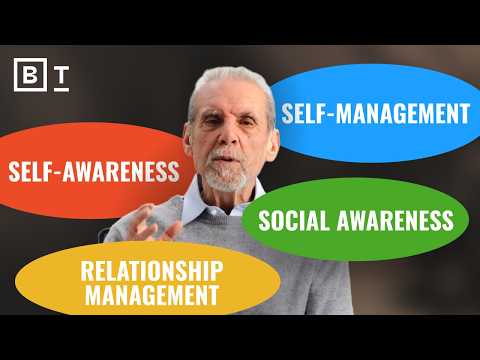
What does emotional intelligence actually include? Well, it typically breaks down into a few main components. These are generally:
- Self-awareness: This is all about recognizing your own emotions and how they affect your thoughts and behavior.
- Self-regulation: Here’s where you manage those emotions. It means not letting them take control or cloud your judgment.
- Motivation: This isn’t just about pushing through tasks. It’s the drive to achieve for the sake of achievement itself.
- Empathy: This is huge because it helps you understand the feelings of others, which can guide your interactions.
- Social skills: Think of this as your ability to build relationships and navigate social networks effectively.
Taking these components into account helps professionals create a clearer picture of an individual’s emotional strengths and weaknesses.
Why assess emotional intelligence? Assessing EQ can lead to better outcomes in various settings. For instance, in workplaces, people with higher EQ tend to have better teamwork skills and leadership qualities. Imagine a scenario where two managers face a crisis—one panics while the other stays calm and wisely guides their team through it. That cool-headedness? Totally linked to their emotional intelligence.
How do psychologists actually assess EQ? There are multiple methods! Some rely on self-report questionnaires where you reflect on how you handle situations emotionally. Others use peer assessments where colleagues rate each other on various emotional intelligence aspects. Then there’s the ability-based assessment, which measures how well you can process emotional information in real time—kind of like an emotional IQ test!
A common question is: “Can emotional intelligence be developed?” Absolutely! Just like any other skill set out there, you can work on improving your EQ over time. Maybe start by practicing mindfulness to boost your self-awareness or engaging more deeply with others to enhance your empathy.
Now let’s touch on some considerations when assessing EQ in psychological contexts:
- Cultural factors: Different cultures express emotions differently. What’s acceptable in one culture might not be in another.
- Affective biases: Be aware that personal biases can influence both self-reports and peer evaluations.
- The context matters: Emotions fluctuate depending on situations—what works at home might not translate directly to work.
It’s worth noting that emotional intelligence isn’t the end-all-be-all solution for issues like conflict resolution or stress management; rather, it complements other skills.
In summary, exploring emotional intelligence assessment involves understanding its vital components and recognizing its impact across various psychological contexts. The questions around why and how we assess it help us see the bigger picture—the connections between our emotions, relationships, and overall wellbeing!
Comprehensive Guide to Measuring Emotional Intelligence: Downloadable PDF Resource
Emotional intelligence, or EQ, is a big deal in understanding ourselves and others. It’s all about how well you recognize and manage your own emotions and how you relate to the emotions of people around you. It can seriously influence your relationships, work performance, and overall mental well-being.
Measuring emotional intelligence can be done in several ways. There are tests, questionnaires, and informal assessments. The goal is to get a clearer picture of your emotional skills. You might be wondering how these work, right?
First off, let’s break things down a bit:
- Self-awareness: This is knowing your own emotions. When you’re aware of your feelings, you can manage them better.
- Self-regulation: This is about controlling those emotions instead of letting them control you. Like when you’re feeling angry but choose to step back instead of lashing out.
- Motivation: High EQ people often have a strong drive for personal achievement. They stay focused on their goals despite setbacks.
- Empathy: This one’s crucial! It’s about understanding others’ feelings and being able to respond appropriately.
- Social skills: Good at building relationships? That’s part of having great social skills tied to emotional intelligence.
So, why bother measuring your EQ? Well, understanding where you stand can help you improve in areas that matter most. A lot of workplaces even value EQ as much as IQ nowadays!
You can find various assessments online that aim at measuring these components. Some are free or downloadable PDFs that give a structured way to reflect on yourself. Just fill out a questionnaire where you’ll rate statements based on personal experiences.
Let’s say one question asks: «I calm myself down when I’m upset.» You’d rate this from «strongly disagree» to «strongly agree.» Once completed, you’ll get insights into where your strengths lie—and maybe some areas needing improvement.
The thing is that these assessments aren’t just technical tools; they offer a chance for personal growth. Imagine realizing that managing stress is tough for you but empathy comes naturally—that knowledge can guide how you approach improving yourself.
And don’t forget—this isn’t just about numbers! Understanding emotional intelligence leads to better communication with friends and coworkers alike. When we communicate effectively using our emotional insights, we foster healthier relationships.
In summary, measuring your emotional intelligence gives valuable feedback about who you are emotionally and socially. Whether it’s through respected tests or casual self-reflection tools available as downloadable resources—these insights pave the way for better interactions both at home and work! So why not take the leap?
You know, emotional intelligence (EI) is this fascinating concept that’s grown in popularity over the years. It’s all about how we recognize, understand, and manage our emotions and the emotions of others. When you think about it, EI can have a huge impact on our relationships, work life, and even mental health.
So imagine you’re in a tough situation at work—maybe there’s a big project deadline looming. You’re feeling overwhelmed, and your colleague is pretty stressed too. If either of you can tap into your emotional intelligence, you might be able to handle the stress better, maybe communicate what you need more clearly instead of snapping at each other. I mean, we’ve all been there with that rising tension in our interactions!
In psychological contexts, assessing emotional intelligence can be super helpful for understanding how people interact with one another. Some assessments dive into areas like self-awareness—how well do you get what triggers your emotions? Or social skills—how good are you at reading other people’s feelings? These assessments aren’t just about labeling someone as “high” or “low” in EI; it’s more about recognizing patterns that can help individuals grow.
Let me share a quick story. My friend Sam went through an EI assessment for his job evaluation. At first, he was skeptical—like why should he care about feelings when he had numbers to crunch? But after he saw how recognizing his own emotional responses improved his interactions with coworkers, it was like a light bulb moment for him! He started noticing how others responded to their feelings too, which made team meetings way less tense.
Of course, while these assessments can be useful tools for fostering self-awareness and empathy among people—there are limitations. Emotional intelligence isn’t static; it can change based on experiences or environments. Plus, some cultural factors play into how we express emotions and interpret them in others.
So yeah, using emotional intelligence assessments in psychology isn’t just an academic exercise; it’s actually relevant to real life! They help us navigate those tricky social situations and improve our overall well-being by enhancing our connections with people around us. That seems pretty valuable when you think about it!