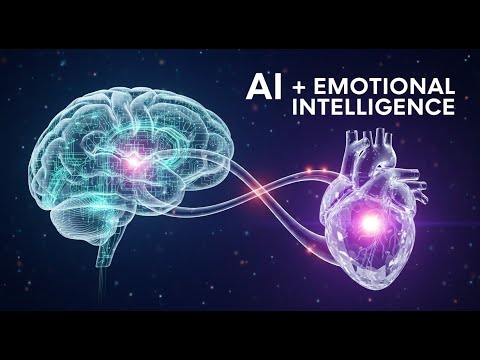
You know those moments when you just “get” someone? Like, they don’t even have to say anything, and you’re like, “I see you” or “I feel that”? That’s emotional intelligence at work!
It’s not just about being nice or empathetic. It’s understanding your feelings and the feelings of others. Crazy how much that can change a conversation or even a whole relationship, right?
Think about it. You’ve had days where everything feels off because someone snapped at you. Or maybe you were the one who just couldn’t shake off that gloomy mood. That’s emotional intelligence too!
In this chat, we’re gonna break it down together—what it really means and why it matters. Grab your favorite drink, sit back, and let’s unpack this wild world of emotions!
Understanding Emotional Intelligence: Key Insights and Psychological Examples
Emotional intelligence, or EI for short, is the ability to understand and manage your own emotions, while also recognizing and influencing the emotions of others. It’s kind of like being emotionally smart! You know how some people just seem to get you? Well, that’s a good dose of emotional intelligence at work.
Key Components of Emotional Intelligence
So, what exactly makes up this whole emotional intelligence thing? There are a few major components you should be aware of:
- Self-awareness: This is about knowing your own feelings and how they affect your thoughts and behavior. For example, let’s say you’re feeling anxious about an upcoming presentation. Recognizing that anxiety can help you prepare better.
- Self-regulation: This means managing those emotions in healthy ways. Instead of blowing up at your friend who accidentally spilled coffee on you, you take a deep breath and respond calmly.
- Motivation: People with high emotional intelligence are often more motivated to achieve goals. They use their emotions positively to propel them forward instead of getting bogged down by stress.
- Empathy: This is super important! It’s about understanding the feelings of others. If your friend is upset after a tough breakup, being empathetic helps you support them better.
- Social skills: These are all about building relationships. Think about someone who can easily navigate social situations—they’re usually pretty high in EI!
The Importance of Emotional Intelligence
Having strong emotional intelligence can lead to better relationships—both personally and professionally. When you understand yourself and others better, it improves communication. Imagine working with someone who can sense when the team is feeling stressed out; they might suggest a break or some fun activities! Keeping morale high is so important.
Research shows that people with higher emotional intelligence tend to perform better at work too. They’re often more adaptable to change because they manage their feelings constructively during tough times.
Anecdote Time!
Here’s a little story: I remember sitting in class once when my professor noticed one student looking totally overwhelmed with all the upcoming deadlines. Instead of ignoring it, she paused the lecture for just a minute to ask if everyone was alright! That small act showed her empathy—and guess what? It instantly made the classroom feel more connected and supportive.
Emotional intelligence isn’t just about emotional “smarts,” it’s also practical stuff we use daily in our interactions with others. When you’re emotionally intelligent, it feels like you’ve got a secret weapon that helps you handle life’s ups and downs.
In short, understanding emotional intelligence means recognizing its impact on our lives—it’s not some mysterious concept but rather something we can all develop through awareness and practice! So next time you’re feeling something intense or watching someone else struggle with their emotions, remember: there’s always room for growth in this area!
Comprehensive Guide to Theories of Emotional Intelligence: Downloadable PDF Resource
Emotional Intelligence (EI) is one of those concepts that keep popping up in conversations about personal and professional success. People talk about it like it’s the secret sauce to better relationships and effective leadership. But what exactly is emotional intelligence, anyway?
To put it simply, *emotional intelligence* refers to your ability to understand, use, and manage your own emotions effectively. It’s also about recognizing the emotions of others and responding appropriately. There are a bunch of theories out there that help explain how this all works.
1. Ability Model
This model, introduced by John Mayer and Peter Salovey, suggests that EI is a cognitive ability, kind of like how we measure IQ. In this view, emotional intelligence includes four main skills:
- **Perceiving emotions:** This means being able to identify emotions in yourself and others.
- **Using emotions to facilitate thinking:** Emotions can help you prioritize what’s important.
- **Understanding emotions:** It’s about knowing how emotions change over time and what they mean.
- **Managing emotions:** This skill helps you regulate your own feelings and influence the feelings of others.
Imagine you’re having a tough day. If you can recognize that you’re feeling overwhelmed (perceiving), you might decide to take a break rather than snap at someone (managing). That’s EI in action!
2. Mixed Model
Daniel Goleman popularized a mixed model approach through his book “Emotional Intelligence.” He argues it’s not just about ability; it also includes personality traits and social skills. Goleman’s model comprises five key components:
- **Self-awareness:** Knowing your own feelings and their impact on your thoughts.
- **Self-regulation:** The ability to control impulses and moods.
- **Motivation:** A passion for work that goes beyond money or status.
- **Empathy:** Understanding the emotional makeup of other people.
- **Social skills:** Managing relationships to move people in desired directions.
Think about a time when you helped a friend because you could tell they were upset even if they didn’t say anything. That’s empathy!
3. Trait Model
The Trait Theory approach, developed by researchers like Petrides, focuses on self-reported emotional skills rather than abilities. This means it looks at personality traits related to emotional functioning, such as:
- The extent to which you feel in touch with your feelings.
- Your tendency to respond with empathy towards others.
If you’re naturally empathetic but also have trouble handling stress, the trait model might suggest specific areas for improvement.
So why should all this matter? Well, having high emotional intelligence can mean stronger relationships at home or work! People with high EI often excel in collaborative environments because they can navigate through conflicts smoothly.
Understanding these theories offers valuable insights into how we can improve our emotional skills over time—like practicing mindfulness or engaging more meaningfully with others.
In summary, emotional intelligence isn’t just some buzzword; it’s backed by research with various models explaining different aspects of it. So whether you’re looking up additional resources or even downloadable PDFs on this topic later on—remember there’s a lot more beneath the surface! It’s all about being aware of yourselves and those around you!
Downloadable PDF: Understanding Goleman’s Emotional Intelligence Theory
Emotional intelligence (EI) is a big deal these days, and Daniel Goleman is one of the key figures behind it. His theory breaks down how we understand and manage our own emotions while also navigating the feelings of those around us. So, let’s unpack this concept a bit.
What is Emotional Intelligence?
At its core, emotional intelligence refers to your ability to recognize your feelings and understand what they mean. But it’s not just about you—it’s also about *how* you relate to others. Goleman identified five main components of emotional intelligence:
- Self-Awareness: This means being in tune with your own emotions. You know when you’re happy or stressed out, and you can identify why.
- Self-Regulation: This involves controlling your impulses and managing your emotional reactions. Instead of snapping at someone when you’re upset, you take a breath and think it through.
- Motivation: Emotionally intelligent people are often driven by their inner values rather than external rewards. They’re more focused on personal growth.
- Empathy: This is about understanding the feelings of others—even if they’re different from yours. It’s that ability to feel with someone else.
- Social Skills: This includes the ability to build relationships, communicate effectively, and work well in teams.
Let’s take self-awareness as an example. Imagine walking into a meeting feeling super stressed because of personal issues but not realizing it might affect your performance. If you’re self-aware, you can acknowledge that stress and decide how to handle it before talking.
Now, how does this really play out in life? Well, think about that time when a friend called you in tears after an argument with their partner. If you’re empathic (another EI skill), you listen without judgment and maybe even share a similar experience—helping them feel understood.
It’s worth noting that Goleman’s model isn’t just theory; it’s been applied in various settings—from schools to workplaces—and has shown up in leadership training programs. When leaders have higher emotional intelligence, they often create more positive environments for their teams.
Still curious about diving deeper? Goleman’s research suggests that emotional intelligence can be just as important as IQ for success! It’s all connected; how we manage our emotions influences our decisions and interactions every day.
So there ya go! Understanding Goleman’s Emotional Intelligence Theory can seriously help improve not just personal well-being but also relationships with others—all while making life a little bit easier to navigate!
So, emotional intelligence, huh? It’s one of those buzzwords floating around everywhere. People say it’s super important, but what does it really mean? Well, let me share a personal moment that kind of sums it up.
A while back, I was having dinner with some friends. Out of nowhere, one of them started tearing up over a tough breakup. It was pretty awkward at first—like, do I get them a tissue? Do I just sit there and eat my pasta? But then, I remembered how important it is to be in tune with emotions—not just our own but others’ too. So I put my fork down and listened.
Emotional intelligence (or EI for short) is basically about recognizing your feelings and the feelings of others—kind of like being a human barometer for emotions. You know those moments when you can feel the tension in the air or when someone’s smile doesn’t quite reach their eyes? That’s emotional intelligence kicking in!
It breaks down into a few key parts: self-awareness (being aware of your own feelings), self-regulation (managing those feelings), social awareness (noticing how others feel), and relationship management (navigating social situations smoothly). Sounds simple enough, right? But seriously, it’s not always easy to practice.
Think about those times you’ve lost your cool over something minor or misread someone’s vibe completely. We’ve all been there! It’s hard to keep our emotions in check sometimes. But developing emotional intelligence can totally change how you relate to yourself and others. Like in my dinner situation—I could’ve just changed the topic or avoided the conversation altogether. But instead, by tuning into my friend’s feelings, we ended up having this really deep conversation that brought us closer together.
The thing is—and here’s where it gets interesting—research shows that people with high emotional intelligence tend to have better relationships and even excel at work more than those who might be academically smarter but lack that emotional touch. So maybe next time you’re in a heated moment or trying to connect with someone feeling blue, remember: it’s not just about logic; emotions play a huge role too!
In short, emotional intelligence isn’t just some fluffy concept; it’s about genuinely connecting with ourselves and each other. And honestly? The world could use a little more of that right now!