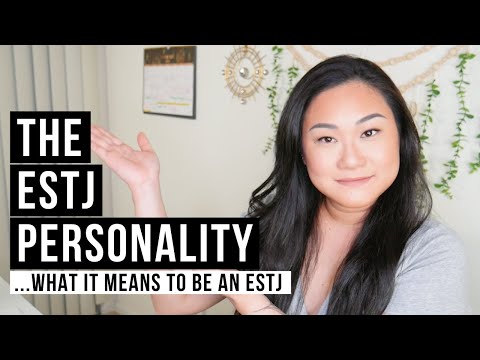
So, have you ever met someone who seems like they just get stuff done? You know—the ones who are always organized, decisive, and maybe a little bossy? Yeah, I’m talking about ESTJs.
They’re the folks who thrive on structure and love leading the charge. Seriously, if there’s a plan to be made or a team to rally, you can bet an ESTJ is in the mix.
But there’s more to them than just being “the boss.” It’s about how they see the world and interact with people. Their strong personality can really shape dynamics in work and relationships.
So let’s unpack this together! You’ll see how the ESTJ personality type influences everything from friendships to decision-making. It might just spark some “aha!” moments for you.
Exploring Compatibility Between ENFJ and ESTJ Personality Types: Insights and Dynamics
The ENFJ and ESTJ personality types can make quite an interesting combination when it comes to relationships or teamwork. You’ve got the ENFJ, known for their empathy and warmth, while the ESTJ is all about structure and efficiency. It’s like mixing sunshine with a well-organized toolbox!
What Makes Them Tick:
The ENFJ, often seen as the “protagonist,” thrives on social interactions and emotional connections. They tend to be great at reading others’ feelings and motivations. You could say they’re almost like human barometers for emotional weather! Meanwhile, the ESTJ, or “executive,” is practical and focused on getting things done. They value tradition and order, which can clash with the ENFJ’s more fluid approach to life.
Potential Compatibility Dynamics:
- Communication Styles: The ENFJ loves deep conversations that explore emotions. The ESTJ prefers straightforward discussions aimed at solving problems. If they can find a common language, they might create a vibrant dialogue that combines feelings with facts.
- Decision-Making: The ENFJ might lean toward a consensus-based approach, wanting everyone’s feelings considered. In contrast, the ESTJ will likely prioritize practicality and efficiency over emotional considerations. This could lead to some passionate debates!
- Conflict Resolution: When tensions arise, the ENFJ might want to talk things through emotionally. On the other hand, the ESTJ could take a more pragmatic stance—focusing on how to resolve issues quickly so they can move forward.
A little anecdote: I once knew an ENFJ who worked alongside an ESTJ in a community project. The ENFJ wanted regular meetings filled with brainstorming sessions where everyone felt heard. The ESTJ preferred bullet-point agendas focused on action items. Initially, it created some tension! But then they found common ground by setting clear goals while also checking in on team morale.
The Power of Balancing Strengths:
If both types play to their strengths instead of fixating on differences, it can lead to an effective partnership! For instance:
- The ENFJ brings creativity and enthusiasm which can inspire the ESTJ during projects.
- The ESTJs organizational skills can help keep everything on track for the ENFJs big ideas.
When conflicts do pop up (as they inevitably will), reflecting is key! The two must understand each other’s perspectives rather than just pushing their own agenda.
In relationships or teamwork situations involving these personality types, mutual respect becomes crucial. Allowing space for both emotional insights from the ENFJs and practical strategies from the ESTJs helps create a dynamic that embraces both worlds.
In short? While there might be bumps along this road of compatibility between an ENFJ and an ESTJ, navigating those differences with understanding opens doors for growth—both personally and collectively!
Exploring Common Weaknesses of ESTJ Personalities: Insights and Strategies
ESTJs, or the “Executives” as they’re often called, have a reputation for being strong leaders and incredibly organized. But just like anyone else, they have their weaknesses. Let’s look at some of those weak spots and how they can navigate them better.
1. Rigidity
One of the main challenges for ESTJs is their rigidity. They often believe that their way is the best way, which can make them resistant to change. This inflexibility might hinder collaborations where different ideas should be welcomed. For instance, if an ESTJ is leading a project and refuses to consider a colleague’s suggestions, it could lead to missed opportunities or even resentment in the team.
2. Overly Critical
ESTJs can be pretty critical, not only of others but also of themselves. When things don’t go as planned, they can get frustrated and point fingers instead of reflecting on what went wrong. A story comes to mind: I once knew an ESTJ who worked hard to meet deadlines but ended up criticizing her team for every little mistake. It created a tense atmosphere—nobody wanted to speak up anymore!
3. Difficulty with Emotions
They tend to prioritize logic over feelings; this might make them seem cold or distant in personal relationships. If an ESTJ friend isn’t great at recognizing when you’re feeling down, it’s not because they don’t care! It’s just that they often focus on solutions instead of emotions.
4. Challenge with Delegation
Another common issue is their struggle with delegation. Because ESTJs like things done efficiently and correctly, they may take on too much responsibility themselves rather than trusting teammates to handle tasks. This not only leads to burnout but can also frustrate colleagues who want more engagement.
5. Avoidance of Conflict
Ironically, while they’re natural leaders who value order, many ESTJs dislike conflict yet often find themselves in situations rife with it due to their high expectations. They might avoid difficult conversations in hopes that issues resolve themselves—a tactic that rarely works out well!
So if you’re an ESTJ—or know one—what can help?
- Practice Flexibility: Try embracing new ideas or approaches even if they’re outside your comfort zone.
- Cultivate Emotional Awareness: Make it a point to check in with others about their feelings; empathy definitely goes a long way.
- Breathe and Delegate: Start small! Pick a task you usually do alone and ask for help—watch how it can build trust!
- Tackle Conflict Head-On: Instead of avoiding disagreements, practice having those tough conversations early on—they usually aren’t as scary as we think.
Understanding these weaknesses doesn’t mean changing entirely; it’s about finding balance while playing off those natural strengths too! Just because you might struggle doesn’t define you—you’re still capable of amazing things!
Top Careers for ESTJ Personalities: Maximizing Strengths in the Workplace
So, let’s talk about the ESTJ personality type, right? These folks are all about structure, organization, and taking charge. They’re often seen as the “executives” of the Myers-Briggs world. If you identify as an ESTJ, you probably thrive in environments where rules are clear and systems are established. You’ve got this natural ability to lead and make decisions that others trust. That’s pretty cool!
When it comes to careers, finding a path that taps into your strengths is key. You want something where your decisiveness and practicality can shine! Here’s a look at some top career options for ESTJs:
- Management: Seriously, positions like project manager or operations manager could be your jam. You’ll get to use your organizational skills and lead teams effectively.
- Laws and Law Enforcement: ESTJs often excel in roles like lawyers or police officers. The structured nature of these jobs fits perfectly with your preference for rules and order.
- Finance: Think financial analyst or accountant. Numbers don’t scare you; in fact, you probably find comfort in making sense of them!
- Sales: Sales managers thrive on setting targets and guiding their teams to achieve them. Your assertiveness can drive results in this kind of environment.
- Education: Consider becoming a school administrator or even a teacher. Your ability to maintain order while inspiring students can be quite effective.
- Healthcare: Roles like nurse manager or health services administrator allow you to provide structure in high-pressure settings—a perfect fit!
The thing is, whatever path you choose, it’s important to look for roles where your leadership skills can really make an impact. For instance, let’s say you’re in a sales position managing a team; your ability to set clear goals and expectations will help everyone perform better together.
A little story: I know someone who’s an ESTJ working as an HR manager. She thrives on creating policies that benefit both employees and the organization. Her strong sense of fairness helps her build trust among her team while keeping everything running smoothly—pretty impressive stuff!
The bottom line: if you’re thinking of careers as an ESTJ, focus on places where structure meets leadership. This is how you’ll maximize your strengths and find meaningful work that resonates with who you are! So go ahead—explore those areas and see what speaks to you!
You know, when you think about personality types, it’s kind of interesting how each one has its quirks and flavors. One that often stands out is the ESTJ, right? They’re known as the “Executives,” and honestly, they live up to that name. These folks are all about structure and organization. It’s like they have this innate drive to make everything run smoothly.
I remember a friend of mine, Sarah. She’s an ESTJ through and through. When we were in college, she was always the one organizing study groups and planning events. I’d just be chilling, procrastinating on my assignments while she had color-coded schedules all set up. At first, I thought she was a bit intense! But then I realized her attention to detail really helped us all get our act together—and pass those exams.
But here’s the thing: ESTJs can sometimes come off as a bit rigid or bossy. They have these high standards for themselves and others—if you mess up a plan or don’t meet their expectations? Oof! They’re not shy about telling you how it is. So while they can be fantastic leaders, they might step on some toes along the way if they’re not careful.
Another cool aspect of their personality is their practicality. They thrive in environments where rules are clear and everyone knows what’s expected of them. It’s like they can cut through all the BS with their logical thinking—seriously refreshing when emotions are running high or things get chaotic.
Their influence extends beyond just work or school; it spills into friendships and family dynamics too. You probably know someone like Sarah who takes charge during group outings, making sure everyone has fun but also follows the plan. It’s impressive but can feel overwhelming if you prefer a more laid-back approach.
In relationships, ESTJs value loyalty above all else. If you’re friends with one, expect them to have your back like nobody else! But they might struggle with understanding more emotive partners who may want to explore feelings instead of sticking to practical solutions.
So yeah, the ESTJ personality type brings a lot to the table—leadership skills, reliability, and practicality—but there’s definitely room for growth in terms of balance and flexibility in their approach towards others’ feelings. Seeing both sides helps bridge gaps between different personalities in any interaction!