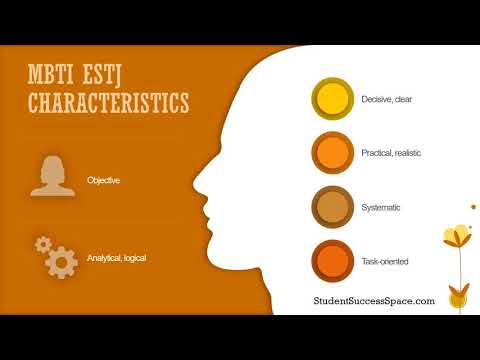
So, let’s talk about ESTJs. You know, those folks who seem to thrive on structure and order? Seriously, they’re like the backbone of any team. If you’ve ever met someone who’s a planner at heart and loves to lead, chances are you’ve met an ESTJ.
They’re often seen as decisive and straightforward. No beating around the bush with these guys! They value organization, logic, and traditions. It’s like they have this internal compass that guides them through life’s chaos.
But what really makes them tick? What are their strengths and challenges in relationships and work? Buckle up because we’re diving into all those juicy details. This is gonna be fun!
Understanding the Rarity of the ESTJ-A Personality Type: Insights and Implications
Understanding the Rarity of the ESTJ-A Personality Type
When it comes to personality types, the ESTJ-A is often seen as one of the rarer breeds in the psychological landscape. If you’re not familiar with this label, it stands for Extraverted, Sensing, Thinking, and Judging, plus that decisive “A” for assertive. But what does all this mean?
ESTJs are natural leaders. They thrive on structure and organization. You know those friends who always have a plan? Yep, that’s them! This type usually feels comfortable taking charge in social or work situations. They’re logical decision-makers who rely on facts and experience rather than gut feelings or intuition.
Now, let’s look at why they’re somewhat rare. One reason is that ESTJs often shy away from emotional situations or abstract concepts. This can make it tough for them to connect with more intuitive personality types like INFPs or ENFPs, who are driven by emotions and possibilities rather than hard data.
Key Characteristics of ESTJ-A:
- Leadership: They naturally take on leadership roles.
- Organization: They love structure and detailed plans.
- Diligence: Strong work ethic; they get things done.
- Decisiveness: Quick to make decisions based on observable facts.
- Skepticism toward abstract ideas: Tends not to resonate with theories that lack concrete evidence.
You might be thinking, «So what does this mean for everyday life?» Well, because they’re less common than some other types (like ISFJs or INTPs), you might not run into them as often. In workplaces or group settings where extroverted leaders are valued—think corporate environments—you’ll find more ESTJs in action.
But there’s more! The rarity of this type brings unique implications for how they interact with a diverse array of personalities. For example, imagine an ESTJ at social functions: they might organize the event but struggle to engage deeply in small talk about feelings or dreams. It’s like being at a concert where everyone else is vibing to jazz while you’re stuck on a metronome.
Another fascinating point about these folks is their assertiveness. An ESTJ-A isn’t just an ordinary leader; they tend to be confident and self-assured—or assertive—making them quite influential. Their decisiveness can pull groups together but might also clash with more laid-back personalities.
In relationships, their straightforward nature can be refreshing yet challenging. They appreciate honesty but sometimes lack patience for nuanced emotional discussions.
The Implications of Rarity:
- Spark Collaboration: Their strong leadership can foster teamwork.
- Cultural Fit: Might mesh well in structured industries but struggle in creative fields.
- Navigating Relationships: Can lead when necessary but may need practice in emotional expression.
In summary, understanding the ESTJ-A personality type sheds light on their unique strengths and challenges while helping us appreciate how we all fit into this colorful tapestry of human behavior. The rarity sets the stage for powerful leadership but also highlights discrepancies between varying personality types within social contexts.
So next time you meet an ESTJ-A—or if you happen to be one yourself—remember: their drive for order and decisiveness might just be what your team needs!
Understanding the ESTJ Leadership Style: Characteristics, Strengths, and Impacts on Team Dynamics
Understanding the ESTJ Leadership Style
Alright, so let’s chat about the ESTJ leadership style. If you’re not familiar, ESTJ stands for Extraverted, Sensing, Thinking, and Judging. This personality type is often seen as the “executive” because of how they approach leadership. They love structure and order—it’s like their guiding principle.
Characteristics of ESTJs:
ESTJs tend to be decisive, practical, and organized. They thrive on efficiency and clear expectations. You can spot an ESTJ in a meeting because they usually take charge and keep things on track. You might see them jump in and offer solutions right away, or set up clear agendas.
- Direct Communication: They communicate clearly and don’t sugarcoat things.
- Goal-Oriented: Focus on achieving results rather than just discussing ideas.
- Structured Environment: Prefer a well-defined plan over spontaneity.
One time I worked with an ESTJ manager who would send out weekly reports on our team’s progress. It was a little intense at first, but honestly? It made everyone step up their game and know exactly what was expected.
Strengths of ESTJ Leaders:
Now let’s talk about what makes these leaders shine. For one thing, their ability to stay organized under pressure is impressive! They are like a rock when things get chaotic.
- Their decisiveness: When tough calls need to be made, they jump right in.
- Reliability: Team members appreciate knowing they can count on their ESTJ leader.
- Crisp Planning Skills: They excel at mapping out tasks and timelines effectively.
I remember another example from that same workplace when we faced a tight deadline. The ESTJ manager laid out roles clearly for each team member; it felt almost like a well-rehearsed play. Everyone knew what to do, which totally eased everyone’s stress.
The Impact on Team Dynamics:
So how does all this play out within teams? Well, having an ESTJ leader often means the team develops a strong sense of direction. However, it can also lead to challenges.
- Lack of Flexibility: Sometimes their love for structure can stifle creativity or limit new ideas.
- Straight Talk vs. Sensitivity: Their directness may rub some people the wrong way if not taken well.
Imagine being in a brainstorming session where everyone feels hesitant to share wild ideas because they’re worried about how they’ll be received by an ESTJ leader who prefers proven methods over riskier suggestions—it happens!
Overall, understanding this leadership style is super important if you’re working with or under someone who identifies as an ESTJ. Their strengths are really valuable but knowing how to navigate potential rough patches can make all the difference for team effectiveness!
Understanding Common Weaknesses of ESTJ Personalities: Insights for Personal Growth
It’s interesting to talk about the ESTJ personality, often seen as the backbone of structure and leadership. But like any personality type, they have their share of weaknesses. Grasping these can really open doors for personal growth. Here are some common issues ESTJs face:
Inflexibility is a big one for ESTJs. They thrive on order and routine. So when things don’t go according to plan, it can really throw them off. Picture this: an ESTJ planning a family gathering with a strict agenda, only to find that half the family cannot make it on the chosen day. They might feel frustrated or even angry because their vision of how things should be has been disrupted.
Another weakness is overly critical nature. Their high standards can make them seem harsh or unapproachable. They expect others to perform at their level, which can be tough on teams or friends who may not share that same drive.
ESTJs sometimes struggle with emotional expression, too. They tend to focus on logic and facts rather than feelings. So, if they find themselves in a situation where someone needs emotional support, they might come across as cold or insensitive. Imagine an ESTJ friend struggling to comfort someone going through a rough patch because they don’t know how to engage with those emotions.
They can also be pretty stubborn. Once they’ve made up their mind about something, it’s tough for them to consider other perspectives. It’s like trying to convince a brick wall! This trait can limit collaborative efforts and hinder personal relationships.
Additionally, their strong desire for control may lead to micromanagement. Sometimes they think that doing everything themselves is easier than trusting others to handle tasks correctly. This behavior can create resentment among colleagues who feel undervalued or suffocated by constant oversight.
Finally, there’s the risk of becoming too work-focused. Their drive for efficiency and productivity might overshadow other important aspects of life like leisure time or nurturing relationships. Imagine an ESTJ continually checking emails during family dinners instead of being fully present—definitely not ideal!
Understanding these traits allows ESTJs—and those around them—to cultivate healthier interactions and grow emotionally and socially. A little awareness goes a long way! It’s all about finding balance between being efficient leaders while also embracing flexibility and empathy in both personal and professional lives.
So, if you’re an ESTJ looking to improve—or even if you just interact with one—recognizing these weaknesses could spark some meaningful conversations about growth!
So, let’s chat about the ESTJ personality type. You know, these folks are often seen as the “executives” of the personality world. They’re all about structure, order, and getting things done. You might recognize them in that friend who always organizes the group project or takes charge of planning events.
Now, imagine this: you’re at a big family dinner, and there’s always that one relative who keeps everything running smoothly. They make sure everyone’s seated, that dinner is served on time and somehow keep the conversation flowing without a hitch. That’s kind of like an ESTJ in action! They thrive in leadership roles and aren’t afraid to make tough decisions.
But here’s where it gets interesting. While their straightforward approach can be super effective—like in work settings where efficiency is key—they can sometimes come off as a bit too rigid or controlling. It’s like they have this internal checklist for life. If you don’t fit into their plan, watch out! This need for structure can make them overlook feelings or perspectives that don’t align with their organized way of thinking.
And honestly, not everyone vibes with this style. Sometimes it takes a little push back from others to help them see that flexibility has its perks too. Like maybe letting loose during a brainstorming session instead of sticking strictly to an agenda could spark some creative ideas!
But when it comes down to it, ESTJs have a reputation for being dependable leaders. Their strong moral compass and commitment to their values can inspire others to follow suit. It’s pretty cool how they balance tradition with progress when they lead teams or navigate challenges.
So yeah, if you ever bump into an ESTJ—whether in your workplace or your social circle—just remember they bring this unique mix of leadership qualities to the table! It’s all about finding that sweet spot between getting things done and being open to new ways of doing things, right?