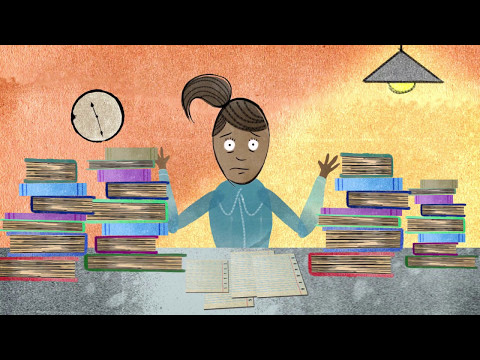
So, exams can be super stressful, right? You’re not alone if your heart races just thinking about them.
I remember back in school, I’d break into a cold sweat at the mere thought of an upcoming test. My palms would get all clammy, and I’d feel like I was on a rollercoaster. Fun times, huh?
But hey, let’s chat about this whole exam anxiety thing. It’s real and totally normal. Seriously, so many people experience it.
What’s wild is that there are ways to cope with it that don’t involve cramming all night or downing gallons of coffee. Cool, right?
So stick around as we dive into what’s really happening in your brain when those nerves kick in and how you can take control!
Understanding Exam Anxiety: A Psychological Perspective on Coping Strategies
Exam anxiety is something that many people experience. It’s that tight feeling in your chest when you think about facing a test. Basically, it’s your body’s way of reacting to stress, which can be totally normal but also pretty overwhelming. Understanding this anxiety from a psychological perspective can help you manage it better.
Why Does Exam Anxiety Happen? Well, when you’re gearing up for an exam, your brain often kicks into high gear, releasing stress hormones like cortisol. This can make you feel jittery or even a bit panicked. You might worry about failing or not measuring up, and that pressure can lead to those anxious feelings.
There might be specific triggers for your exam anxiety too. Perhaps it’s the fear of negative evaluation—like feeling judged based on your performance—or just the sheer amount of material you need to study. Some folks get so overwhelmed they freeze up completely during exams!
Coping Strategies: Making It Manageable So now that we get what it is, let’s talk coping strategies that could help chill those nerves a bit:
- Practice and Preparation: The more familiar you are with the material, the less anxious you’ll probably feel. Try creating a study schedule to break everything down into manageable chunks.
- Meditation and Breathing Techniques: Simple breathing exercises can really help calm your mind. Just take a deep breath in for four counts, hold for four counts, then breathe out slowly for four counts.
- Visualization: Picture yourself walking into the exam room relaxed and confident! Our brains often don’t differentiate between real experiences and imagined ones.
- Spoil Yourself with Self-Care: You know what? Taking breaks is important. Whether it’s watching some funny videos or going for a walk, make sure you’re treating yourself right while studying!
- Talk About It: Sometimes just voicing your worries helps lighten the load. Chatting with friends who understand or even teachers can really ease the tension.
You know how sometimes just sharing how you feel makes things feel less heavy? That’s super valid here too!
The Role of Self-Talk: Watch out for negative self-talk! Instead of saying “I’m going to fail,” try “I’m prepared and I’ll do my best.” Positive affirmations can shift your mindset from panic mode to confidence mode.
If exam anxiety is really impacting your life—like it keeps you from performing at your best—don’t hesitate to seek some additional support like counseling services on campus or talking to someone who gets it; there’s no shame in that!
The bottom line? Exam anxiety is super common but actively managing it makes all the difference! By understanding what triggers these feelings and implementing coping strategies, you’ll stand a better chance against that overwhelming wave of stress come test day.
Understanding Exam Anxiety: A Psychological Perspective on Coping Strategies
Exam anxiety is one of those things that can creep up on you when you least expect it. You’re sitting there, maybe studying for hours, and suddenly you feel your heart racing, palms sweating, and your mind going blank. It’s like your brain hits a reset button just when you need it to work the most! So what’s really going on in our heads when this happens?
Basically, exam anxiety falls under the umbrella of performance anxiety. This is when the pressure to perform well leads to excessive worry. It’s not just about being nervous; it’s this swirling storm of fear that makes you doubt your abilities. The thing is, everyone experiences it differently.
Some folks might get a bit jittery but manage to focus anyway. Others could feel totally overwhelmed and paralyzed by their fear of failure. Like imagine being all set for an audition—your heart’s pounding like a drum, and then you forget the lyrics. It’s frustrating, right?
So how can we handle this stress? Here are some coping strategies that can really help:
- Preparation is Key: You might think cramming last minute will do the trick, but really giving yourself enough time to study will ease a lot of that anxiety.
- Practice Relaxation Techniques: Breathing exercises or mindfulness can help calm the whirlwind in your head. Just taking a few minutes to focus on your breath can make a big difference!
- Stay Positive: It sounds cheesy, but changing negative thoughts into positive ones really helps. Instead of thinking “I’m going to fail,” try “I’ve worked hard, and I’ll do my best.”
- Visualize Success: Picture yourself walking into the exam room confidently and acing it! Visualization can help create a sense of familiarity with success.
- Talk About It: Sharing how you feel with friends or family can lighten that load on your shoulders. Sometimes just knowing you’re not alone can make all the difference.
And here’s something interesting: research shows that a little bit of stress can actually be motivating. Like when you’re getting ready for a big game or show—you want some butterflies in your stomach! It’s when that stress becomes overwhelming that we get into trouble.
Part of beating exam anxiety is understanding its roots too. Sometimes it ties into perfectionism or past experiences where things didn’t go as planned. For instance, if you’ve bombed an exam before because of nerves, it’s easy to associate upcoming tests with fear instead of opportunity.
In essence, recognizing these patterns helps break free from them. You start to see exams for what they are: opportunities rather than threats!
All in all, dealing with exam anxiety isn’t about eliminating stress completely; it’s about managing it effectively so it doesn’t take over your life. With practice and patience—including using these coping strategies—you’ll find yourself more grounded and ready to face those exams head-on!
Understanding Exam Anxiety: A Psychological Perspective on Coping Strategies
Exam anxiety—oh man, it can feel overwhelming, right? You know that rush of panic that hits you when you think about sitting in front of that paper or computer screen? Yeah, it’s pretty common and totally normal! So let’s break it down a bit and look at this from a psychological angle along with some coping strategies that could really help.
What is Exam Anxiety?
Exam anxiety is basically that stress and worry many students face when preparing for or taking tests. It can show up in different ways, like sweaty palms, racing heartbeats, or even feeling like your mind just goes blank. Imagine studying for hours only to sit down and forget everything! That’s a classic sign of exam anxiety.
Why Does It Happen?
There are a couple of reasons this happens. First off, pressure can come from various sources—parents wanting good grades, personal expectations, or even societal norms about success. All these factors can pile up and create a cocktail of nerves.
Another aspect is the way we process fear and stress. Our brain doesn’t really distinguish between physical danger and the pressure of exams. When you feel that anxiety rising, your body goes into fight-or-flight mode. Seriously! It’s like your brain thinks there’s a lion lurking around instead of just a math test.
Coping Strategies to Manage Exam Anxiety
Alright, here comes the good stuff—how to tackle it head-on!
- Preparation is Key: The more prepared you are for an exam, the less anxious you’ll feel about it. Try breaking your study material into manageable chunks instead of cramming everything at once.
- Practice Relaxation Techniques: Consider deep breathing exercises or meditation. Just taking slow breaths for a few minutes can calm your mind down.
- Stay Positive: Negative thoughts can spiral quickly during high-pressure situations. Try flipping them! Instead of thinking «I’m going to fail,» say something encouraging like «I’ve studied hard.» It sounds corny but words matter!
- Create a Healthy Routine: Make sure you’re eating well and getting enough sleep leading up to the exam day. A tired body equals a stressed mind.
- Tackle Test Day Strategically: On exam day, arrive early so you’re not rushed. Bring necessary supplies—like snacks or water—to keep your energy up.
Oh! And I should mention how important support from friends or family can be too. Just chatting with someone who understands how you feel makes a world of difference.
The Role of Counseling
Sometimes talking with someone trained in psychology can really help as well. They might introduce techniques such as cognitive-behavioral therapy (CBT), which helps change negative thought patterns into more positive ones.
In short, exam anxiety might feel super tough at times but remember you’re definitely not alone in this experience! By using some coping strategies and understanding why you’re feeling anxious, you’ll be on smoother ground next time those exams roll around—believe me!
Exams can feel like they’re looming over you, like an ominous cloud. Seriously, if you’ve ever sat staring at a blank piece of paper, the pressure can almost make your heart race. You’re not alone in feeling this way. Exam anxiety is pretty common and affects tons of people, no matter how well-prepared they are.
So, what’s going on in our heads when we feel this anxiety? Well, it starts with something called the fight-or-flight response. This is basically your brain telling your body there’s a threat—think about how our ancestors would react to a lion or something! Nowadays, though, that «threat» might just be a big test. Your body assumes it needs to gear up for battle. You might get sweaty palms or your stomach could be doing backflips.
Let me share a little story: I had this friend in college who was incredibly smart but would freak out before every exam. One time she studied for days for a math test but ended up stressing so much that right before entering the exam room, she forgot most of what she learned! It was like her brain just shut down. All that hard work seemed to vanish because of those nerves.
Coping with exam anxiety often requires recognizing those feelings instead of pushing them away. It sounds simple but isn’t always easy. Breathing exercises can help calm down the racing heart and clear that foggy mind; just taking a moment to breathe deeply makes a huge difference. Seriously! Just five deep breaths can create some space between you and the anxiety.
Another angle is changing how you view the exam itself. Instead of thinking it’s do-or-die, framing it as an opportunity to show what you’ve learned can lessen some pressure. It’s not about perfection; it’s more about doing your best and learning from experience—kind of like throwing spaghetti at the wall and seeing what sticks!
And let’s not forget about self-care—get enough sleep, eat well (yeah, maybe skip all-nighters with junk food), and try to find time for things you enjoy right before exams. Sometimes even just hanging out with friends or going for a walk helps keep your mind off things.
When exams come around again (and they will), remember: it’s totally okay to feel anxious—it’s part of being human! But now you have some tools in your back pocket to manage those nerves better next time around.