You know those days when you just can’t shake a bad mood? Or when you spiral into negative thoughts about yourself? Yeah, we’ve all been there.
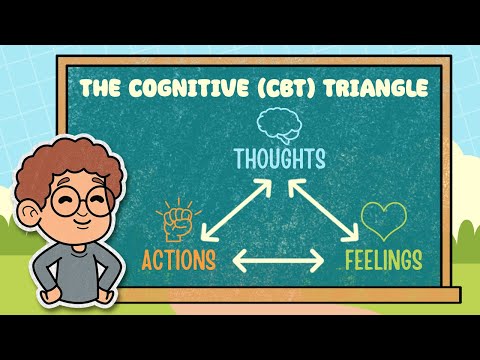
Cognitive behavior is like this mental toolkit we all have. It shapes how we think, feel, and even act. It’s pretty wild, really.
Sometimes, without even noticing, your thoughts can take you on a ride with no brakes. But guess what? There are examples of cognitive behavior that can help shift those patterns and make a difference in your life.
So let’s dive into some real-world examples and see how they actually affect us day-to-day. You might just find some insights that hit close to home!
Understanding Cognitive Behavior: Real-Life Examples and Applications
Cognitive behavior is all about how our thoughts shape our feelings and actions. Imagine you’re about to give a big presentation. Your brain might start spinning tales, like “What if I mess up?” or “Everyone will think I’m a total loser!” Those thoughts can create anxiety, making your palms sweaty before you even step onto the stage. This is cognition at work!
Cognitive behavioral therapy (CBT) helps people recognize and change these negative thought patterns. For example, let’s say a person believes they’re terrible at socializing. They might avoid parties because they think they’ll embarrass themselves. But what happens if someone encourages them to challenge those thoughts? They might go to the party and realize that not everyone is judging them—maybe they even have fun!
Here are some key principles of cognitive behavior:
- Thoughts influence feelings: If you think, “I’m going to fail that exam,” you’re likely to feel anxious and stressed.
- Behavior affects thoughts: If you start studying regularly, your outlook might shift to “I can actually do this!”
- Challenging negative beliefs: Someone who constantly thinks they’re unlovable can work on replacing that thought with “I deserve love just like anyone else.”
Now, let’s look at some real-life scenarios where cognitive behavior plays out:
You know when you have a friend who’s always worried about their performance at work? They might be convinced that every mistake they make means they’re getting fired. By helping them see how their thoughts are exaggerated—maybe their boss has complimented them before—they can reduce their anxiety and feel more secure in their job.
Then there’s the classic case of procrastination. So there’s this student who thinks, “If I start studying now, I’ll fail anyway.” This belief leads them to binge-watch series instead! But if they recognize this thought as false, maybe by remembering past successes in similar situations, they could change their approach. Starting with just 10 minutes of study could flip the script.
Another example? Think of someone who struggles with social anxiety. They might avoid gatherings because they’re convinced everyone will judge them negatively. By practicing exposure—like attending just for an hour—they learn that most folks are wrapped up in their own worlds instead of scrutinizing them.
Understanding cognition is key in everyday life—it helps you connect the dots between what you think, how you feel, and how you act. It’s like having your own mental toolkit! You get better equipped to deal with stressors when you acknowledge those thought patterns.
In summary: cognitive behavior isn’t just fancy psychology jargon; it’s a practical way to understand yourself and those around you better. Whether it’s dealing with anxiety or changing unhelpful habits, recognizing this relationship between our thoughts and behaviors can lead us toward more positive outcomes in life!
Understanding the 12 Cognitive Distortions: A Comprehensive Guide to Recognizing and Overcoming Negative Thinking Patterns
Cognitive distortions are those sneaky little thought patterns that can mess with your head. You know, like when you’re convinced that everyone is judging you just because you tripped? Seriously, it’s wild how our minds can twist reality. Let’s break down these 12 common cognitive distortions so you can spot them and maybe even flip the script.
1. All-or-Nothing Thinking
You see things in black and white. For example, if you mess up on a project at work, you might think you’re a total failure instead of recognizing all the things you did right.
2. Overgeneralization
Ever had one bad experience and then thought it meant everything would go wrong? That’s overgeneralizing! Like getting rejected from one date and assuming you’ll never find love.
3. Mental Filter
This is when you focus solely on the negative aspects of a situation while ignoring any positives. Imagine getting compliments all day but zeroing in on one critical comment—totally unfair to yourself!
4. Discounting the Positive
Similar to mental filtering, this is when you downplay good stuff that happens to you. So, if someone praises your work, you’d brush it off like «Oh, they were just being nice.» Don’t sell yourself short!
5. Jumping to Conclusions
You might predict the worst without having any solid evidence for it; this includes mind reading (thinking others are judging you) or fortune telling (believing future events will turn out bad).
6. Catastrophizing
This is a classic move—taking something small and making it seem huge! Like thinking that failing an exam means you’ll end up living under a bridge someday.
7. Emotional Reasoning
You think your emotions reflect reality: “I feel embarrassed; therefore, I must be embarrassing.” It’s tough, because feelings are real but they don’t always tell the whole truth.
8. Should Statements
You lay down rigid rules for yourself or others with “shoulds” or “oughts.” If you’re always saying «I should be more productive,» it’s heavy stuff weighing on your mind!
9. Labeling and Mislabeling
Instead of acknowledging specific behaviors, you label yourself as a whole: “I’m such a loser” after making one mistake instead of recognizing that you’re still awesome overall.
10. Personalization
You take responsibility for events outside your control: like thinking if your friend is upset, it must be because of something YOU did wrong.
11. Blaming
On the flip side of personalization! Here, instead of accepting accountability for an issue, you blame others entirely: “It’s their fault I didn’t get promoted!”
12. Fallacy of Change
Believing people will change their behavior to satisfy your needs—like hoping someone will stop being late just because it’s important to you.
Recognizing these patterns can feel like shining a flashlight into dark corners where negativity thrives. But awareness is half the battle! It takes practice to challenge these thoughts head-on and replace them with more balanced thinking.
So next time you’re caught in one of these funky thought traps, take a moment! Ask yourself if there’s another way to look at things or if you’re jumping to conclusions without solid proof? This isn’t about being perfect; it’s about opening up space for more flexible thinking in your life!
Understanding Cognitive Behavioral Therapy: The Legacy of Aaron Beck
Cognitive Behavioral Therapy, or CBT for short, really changed the game in psychology. It’s all about understanding how our thoughts, feelings, and behaviors are intertwined. The whole foundation was laid by a guy named Aaron Beck. He started exploring these connections back in the 1960s, and honestly, his ideas still resonate today.
What’s the deal with CBT? Basically, it focuses on identifying and challenging negative thought patterns. Instead of simply talking about feelings like in traditional talk therapy, CBT is more action-oriented. You work on specific problems by changing the way you think about them. It’s like flipping a switch in your brain—once you see those negative thoughts for what they are, it’s easier to shift them.
Think of it this way: imagine you’re worried about giving a presentation at work. Your mind starts spinning tales like “I’m going to mess this up” or “Everyone will think I’m an idiot.” Those thoughts can create anxiety that feels totally overwhelming! But with CBT techniques, you would challenge those beliefs—are they really true? What evidence do you have? Often, once you pick apart those thoughts, they lose their power.
Now let’s break down some key concepts of CBT:
- Thought Records: This is where you jot down negative thoughts and then counter them with evidence. It helps you visualize your thought patterns.
- Cognitive Restructuring: This involves actively replacing irrational thoughts with more balanced ones.
- Behavioral Experiments: Here’s where things get interesting! You test out new behaviors to see if your predictions hold true.
Here’s a little story to illustrate: picture Sarah who struggles with social anxiety. She avoids gatherings because she thinks everyone will judge her harshly if she speaks up. Through CBT, she starts noting when those thoughts pop into her head and realizes they’re exaggerated! Then she tries talking to one person at a gathering instead of avoiding it altogether. And surprise—people are friendly! That experience helps her realize that her worries were unfounded.
Beck’s legacy extends beyond just treating anxiety or depression; it’s been used for all sorts of mental health issues like eating disorders or PTSD. What makes CBT so effective is its structured approach that gives people tools to handle their problems rather than just discussing them endlessly.
In essence, the beauty of CBT lies in its practicality. It doesn’t just help you understand why you feel that way; it gives you actionable ways to cope and change those feelings into something more manageable.
So yeah, Aaron Beck wasn’t just throwing around theories—he set the stage for so many practical methods we still use today in therapy sessions worldwide! Understanding his work is key if you’re curious about how psychology has evolved over time and how human behavior can be transformed through simple yet powerful techniques.
Cognitive behavior therapy, or CBT, is all about how we think and how those thoughts influence what we do. It’s like when you wake up on a rainy day and think, “Ugh, the day is ruined!” Instead of just feeling down about it, you could also think, “Sure, it’s wet outside, but I can cozy up with a good book.” This shift in thought can change your mood completely.
Let me share a little story with you. Once, my friend Sarah got really upset because she failed her driving test. She kept replaying the negative thoughts in her head: “I’m terrible at this,” and “I’ll never pass.” The morning after the test, she called me feeling defeated. I encouraged her to look at it differently. What if she thought instead of just failing? Maybe she could see this as practice that gets her closer to passing next time. A few weeks later, she retook the test—and boom! She passed.
This shows how cognitive restructuring works—a key part of CBT. By changing her thought patterns from negative to positive (or at least neutral), Sarah was able to boost her confidence and try again instead of giving up.
Another example can be when someone feels anxious before a public speaking event. They might think: “Everyone will judge me.” But if they challenge that thought by asking themselves questions like, “What evidence do I have that people are judging me?” they often realize those fears are exaggerated or unfounded. It’s not so much about denying your feelings but recognizing that not all thoughts are true.
And let’s not forget about habits! Say you often find yourself scrolling through your phone late at night when you really should be sleeping. Cognitive behavioral techniques can help you recognize this behavior and identify the thoughts behind it—maybe it’s boredom or fear of missing out? Once you’re aware, you can work towards changing both the thought process and behavior together.
In essence, cognitive behavioral examples show us that our minds are powerful—like seriously powerful! The way we interpret events shapes our feelings and actions more than we realize. So playing around with those thoughts might just lead to some pretty positive changes in life!