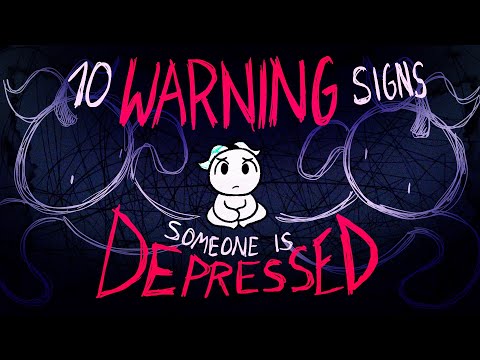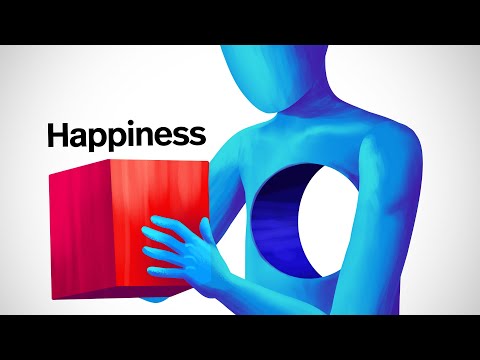
So, let’s talk about something kinda heavy. Have you ever found yourself staring into space, like really questioning everything?
Yeah, that’s where existential depression comes in. It’s not just about feeling sad; it’s like this overwhelming weight of wondering what the heck it all means.
Imagine sitting alone on a park bench, watching people pass by, and feeling utterly disconnected. That sense of emptiness? You’re definitely not alone in that.
Many folks grapple with these feelings. It can be tough to put a finger on it or even explain it to friends. But it matters, you know? Understanding this stuff can help us figure out how to navigate those heavy moments.
So, ready to dive into this together? Let’s unpack what existential depression is all about!
Exploring the Four Pillars of Existential Therapy: A Comprehensive Guide
- Existential Therapy is all about grappling with life’s big questions. It’s not just some fancy jargon; it digs deep into what it means to be alive. This type of therapy can be especially relevant when dealing with existential depression, which often springs up when we confront feelings of emptiness and meaninglessness.
- The Four Pillars of Existential Therapy are key concepts that shape this therapeutic approach. They guide the exploration of existence, and each pillar gives you a lens through which you can understand your experiences better.
- The first pillar is Freedom. This isn’t just about being free to do what you want, but also recognizing that you have the freedom to make choices in your life. You might feel overwhelmed by this freedom sometimes. It’s like standing at a crossroads with so many paths, and not knowing which one to pick. You know that feeling? When you realize your life is shaped by the decisions you make, it can be both empowering and scary.
- The second pillar is Responsibility. With freedom comes responsibility for your choices. This might sound heavy, but it’s about owning your actions and their consequences. Imagine if every time you made a decision, like choosing a career path or ending a relationship, you understood that those choices were yours alone to bear? It’s liberating yet daunting at the same time.
- The third pillar is Meaning. Let’s face it—life can often seem pointless or absurd. That’s where this pillar comes in! It encourages us to create our own meaning rather than relying on external sources or societal norms. Like finding joy in art or forming connections with others; it’s about discovering what brings you fulfillment in this chaotic world.
- The fourth pillar is Isolation, which highlights how we’re all pretty much alone in our subjective experiences. Even when surrounded by people, there may be times when you feel like no one truly gets what you’re going through. You could be sitting with friends laughing, but inside there’s this whisper reminding you how isolated your thoughts are. Acknowledging this isolation allows for deeper connections with others because vulnerability fosters understanding.
- When existential depression creeps in, these four pillars become tools for navigating the void. They help confront those nagging feelings of emptiness and can guide us toward personal growth and self-discovery.
- Using these pillars doesn’t mean everything suddenly makes sense or that life will become easier overnight; instead, they give us a framework for understanding ourselves better amidst chaos.
Understanding Void Existentialism: Key Concepts and Implications in Philosophy
Existentialism is all about grappling with life’s big questions, like “What’s the point?” or “Why am I here?” When you dive into void existentialism, you’re wading into some pretty deep waters. Basically, it’s about facing the emptiness that can come when we start questioning meaning and purpose.
Imagine you’re sitting alone in a dark room, feeling like everything around you is just… empty. That feeling isn’t unusual. A lot of people experience what we call existential depression when they confront this void. It’s that heavy sense of dread or sadness that often creeps in during times of reflection.
One key concept here is absurdity. Think of it this way: life can seem chaotic and random. You might feel like you’re on a treadmill going nowhere fast. The absurdity comes from realizing that while we search for meaning, life just keeps happening without clear answers. It’s frustrating!
Then there’s the idea of freedom. This might sound odd because when you think about feeling lost, freedom doesn’t seem to fit. But here’s the twist: realizing there may not be inherent meaning gives us the freedom to create our own. It’s empowering!
But hold on; with great freedom often comes great responsibility. The weight of having to define your own purpose can be overwhelming. You could feel paralyzed by all those choices, right? It’s a classic case of analysis paralysis where you’re stuck trying to figure out the «right» path.
Another important factor is authenticity. This means being true to yourself rather than following societal expectations or living for others’ approval. It requires diving deep into who you are and what matters to you amidst this existential mess.
Now let’s talk implications for mental health. When someone struggles with void existentialism and begins to feel existentially depressed, it can lead them down some dark paths—like isolation or despair. But understanding these concepts can actually help you navigate these feelings.
Being aware that it’s totally normal to question everything can provide a bit of comfort! Realizing you’re not alone in grappling with these big questions makes a difference too.
To wrap things up, confronting void existentialism is complicated but also freeing in its own way. It challenges us to think deeply while making space for our unique narratives amid an unpredictable world!
Understanding the Emotional Landscape of an Existential Crisis: Symptoms and Insights
So, you’re feeling like you’re treading water in a vast ocean of uncertainty? That’s pretty much what an existential crisis can feel like. It’s that moment when you question the meaning of life, your purpose, and what it all adds up to. Let’s unpack this emotional landscape together.
First off, let’s talk about the symptoms. They can hit you all at once or trickle in slowly:
- Intense anxiety: You might feel a knot in your stomach that just won’t go away, right? Like something big is on the horizon, but you can’t figure out what.
- Feelings of emptiness: It’s like walking around with a void inside. Nothing seems to hold real meaning anymore.
- Disconnection: You could feel isolated or distanced from friends and family. Like everyone else is living their lives while you’re stuck in a rut.
- Pessimism about the future: Seeing the glass half empty becomes your default mode. You can’t shake that feeling that things aren’t gonna get better.
- A sense of urgency: Questions like “What am I doing with my life?” or “Is this it?” keep spinning around in your head.
You know, I remember talking to a friend who felt all these things at once after losing her job. She was grasping for answers but ended up feeling more lost than ever—like she was staring into a deep well without a ladder in sight. It was tough for her to see beyond that moment.
So why does this happen? Well, it’s often triggered by significant changes or losses—a breakup, losing a job, or even just growing up and realizing adulthood isn’t quite what you thought it would be. These events can shake the foundation of how we see our place in the world.
When faced with these feelings, reflecting on **your values** and **beliefs** might help ground you. Think about what really matters to you: family? Creativity? Adventure? Understanding these values can offer hints about where to steer your life next.
A lot of people just power through these feelings, pushing them aside because they seem too weighty or uncomfortable to confront. But ignoring them doesn’t make them disappear; they usually bubble up again later—like trying to keep air underwater!
If you’re experiencing an existential crisis—don’t be too hard on yourself! It’s part of being human and honestly having some doubts isn’t such a bad thing. It’s kind of like doing mental spring cleaning—you sift through thoughts and feelings until you discover what serves you best going forward.
The key is acknowledging where you’re at emotionally without judgment. Give yourself permission to feel lost sometimes; it might just lead you somewhere new and maybe even exciting!
If this resonates with you or someone close by, just remember that grappling with existential themes is something many people experience. You’re not alone on this messy journey through life’s big questions!
Existential depression can feel like standing at the edge of a vast, empty space. You know the feeling: that heavy weight in your chest, like you’re staring into nothingness and questioning everything. It’s that moment when life feels more like a series of obligations rather than something meaningful. You kind of start to wonder, “What’s it all for, anyway?”
I remember talking with a friend who was going through this. One night, over coffee, she said it felt like everyone else was living colorful lives while hers had turned gray. She’d lost interest in things she once loved—like painting and hiking. It was as if the vibrancy had drained from her world.
So, what is existential depression? Well, it’s more than just feeling sad or down for a few days. It’s that deep-seated sense of meaninglessness that can creep in and take root when we start questioning our existence. Suddenly, all the little joys seem trivial against those big questions: “Why am I here? What does it all mean?”
You might find yourself reassessing your values or scrutinizing your life choices. Maybe you’ve found yourself lying awake at night thinking about where you’re heading or what legacy you’ll leave behind—it’s heavy stuff! This can be isolating; many people don’t talk about these thoughts because they feel so intense and personal.
But here’s something to keep in mind: grappling with these feelings is part of being human. Seriously! Lots of us experience this phase at some point—it’s just part of the ride we call life. It’s uncomfortable but also offers a chance to explore who you really are and what matters most to you.
If there’s one thing I’ve learned, it’s that confronting this void doesn’t mean you’re alone or broken; it means you’re engaged in this complex dance called existence. In doing so, many folks rediscover passions or develop new ones they never knew existed. So yes, while staring into the abyss can feel daunting—like walking through fog—it might just lead to some bright moments once you find your way out.
Ultimately, it’s okay not to have all the answers right away! Life has a funny way of unfolding gradually and unexpectedly—even if we sometimes wish it could happen faster.
So keep moving forward—you never know where the path may lead next!