You know that feeling when you just snap? Like, one minute you’re cool, and the next, you’re ready to explode? Yeah, that kind of anger can hit you hard.
It’s wild how emotions work, right? Intense anger can come out of nowhere and leave you feeling drained or even kind of embarrassed later on.
But what’s really going on in your head when that happens? What triggers those fiery moments?
Let’s chat about the psychology behind this intense anger. You might find it’s not just about what’s happening outside; a lot’s going on inside too! So, grab a seat, and let’s dig into this together.
Understanding the Psychological Roots of Anger: Insights and Perspectives
Anger is one of those emotions that hits us all, right? It can strike out of nowhere or build up over time. But what’s the deal with anger? Why does it sometimes feel so intense? Understanding this emotion, especially its psychological roots, can really help you manage it better.
First off, anger often stems from a sense of **frustration** or feeling **threatened**. When something blocks your goals or challenges your beliefs, the brain can trigger an angry response. It’s like when you’re stuck in traffic and you’re running late for a meeting—suddenly, the world feels like it’s against you. You know?
Another big piece of the puzzle is **past experiences** and how they shape our reactions. If someone grew up in an environment where they witnessed a lot of yelling or aggression, they might internalize that behavior as a normal way to express feelings. So when they get upset, their immediate response might just be to lash out because that’s what they’ve seen their whole lives.
Anger can also be related to feelings of **powerlessness**. Imagine situations at work where your opinions aren’t heard or respected. That frustration can bubble up into anger because it feels like you’re losing control over your own life.
And let’s not forget about the role of **stress**! When you’re stressed out—maybe juggling too much at once—your patience wears thinner. It’s easier to snap at someone over something minor when you’re already feeling overwhelmed.
Sometimes, anger serves as a mask for deeper emotions like **sadness or fear**. Think about it; when someone cuts you off in traffic, are you really furious about that single event? Or is it possible that you’re frustrated with other things piling up in your life?
Also, let’s chat about triggers! Each person has their own set of triggers based on their history and experiences. Some folks might blow up over criticism because they associate feedback with rejection based on past experiences while others might shrug it off without breaking a sweat.
Ultimately, understanding these roots can help us make sense of our feelings and reactions better… which can be super helpful! Bringing awareness to what makes you angry allows for more constructive responses instead of just reacting on impulse.
So next time those angry flames start flickering inside you—try taking a moment to pause and uncover what’s really behind that surge of rage! It could open doors to better communication and healthier relationships down the line.
Effective Strategies for Immediate Anger Management: Tips and Techniques
Anger can be a pretty intense emotion, right? It’s like this rush of adrenaline that can make you feel almost invincible, but it can also lead to regretful actions or words. So, understanding **the psychology behind anger** is crucial for managing it effectively. Basically, anger often arises from feelings of frustration, hurt, or even fear. You may find yourself clenching your fists or gritting your teeth when something pushes your buttons.
Well, let’s talk about some strategies that can help you manage that fiery emotion right when it starts to bubble up. Think about these techniques as tools in your emotional toolbox.
1. Breathe Deeply
One of the first things you can do is take a step back and focus on your breath. It seems simple, but deep breathing really works! Try inhaling slowly through your nose for a count of four, then exhaling through your mouth for another count of four. This helps calm down your nervous system and gives you a moment to think before reacting.
2. Pause Before Responding
In the heat of the moment, our natural instinct might be to lash out. You know how it is: someone cuts you off in traffic or says something that gets under your skin? Instead of reacting immediately, pause for a second—or even ten! This gives you time to cool off and choose a response instead of just blurting something out.
3. Identify Triggers
Understanding what sparks your anger can seriously help with management. Maybe it’s certain situations or specific people? Once you’re aware of these triggers, you can either prepare yourself for them or try to avoid them if possible.
4. Use “I” Statements
When you do feel the need to express how you’re feeling, try using “I” statements instead of “You” statements. For instance, instead of saying “You never listen,” say “I feel ignored when I’m talking.” This shifts the focus from blame to expressing how their actions affect you.
5. Engage in Physical Activity
Sometimes anger just needs an outlet! Engaging in physical activities like jogging, dancing, or even just taking a brisk walk can help release pent-up energy and tension.
6. Practice Relaxation Techniques
Meditation or mindfulness exercises can work wonders too! They help center your thoughts and make it easier to manage intense emotions by fostering awareness and reducing stress overall.
Think about someone who might have faced an angry moment—like maybe during a family dinner where tempers flared over politics or sports teams! When that happens, using one or more techniques mentioned above could prevent a small argument from escalating into shouting matches or hurt feelings later on.
So basically, managing anger isn’t about suppressing it; it’s more about understanding it and reacting thoughtfully instead of impulsively. By employing these strategies—you’ll likely find yourself better equipped to handle those fiery moments without losing control!
Understanding the Emotions Behind Anger: Unpacking the Psychological Triggers
Anger can be like that uninvited guest at a party. You know, the one who shows up suddenly and maybe even wrecks the vibe? But if you take a step back, you’ll find there’s a lot more going on underneath than just that flare-up. So, let’s unpack it.
What Triggers Anger? Well, anger often stems from feelings of frustration, hurt, or injustice. Think about it: when something doesn’t go your way—like missing an important deadline or feeling insulted by someone—you might feel that heat rise inside you. It’s your brain’s way of saying “Hey! Something’s not right here!”
Emotional Roots are deeply intertwined with anger. Fear is a big one. If you feel threatened—even if it’s not physical—your body may ramp up its defenses and respond with anger. Imagine this: you’re in a discussion with a friend who dismisses your feelings. You might feel worried about losing their respect and suddenly snap at them. The anger was fueled by that fear.
Other Emotions like sadness and disappointment can also trigger anger. When we’re hurt by someone we care about, it can feel easier to lash out than to admit we’re upset or vulnerable. Like when your partner forgets an anniversary; instead of saying you’re sad, you might turn it into an argument about how they never pay attention.
- Social Context: Our environment plays a significant role too. If you’re in a high-stress job or have friends who are always negative, those situations can amplify your anger responses.
- Cognitive Patterns: Sometimes we get stuck in negative thinking loops—like assuming someone is out to get us or that things will never change—and that fuels our anger.
- Past Experiences: Your history can shape how you handle emotions today. Maybe growing up in a chaotic environment made expressing vulnerability seem unsafe, leading to more angry reactions as an adult.
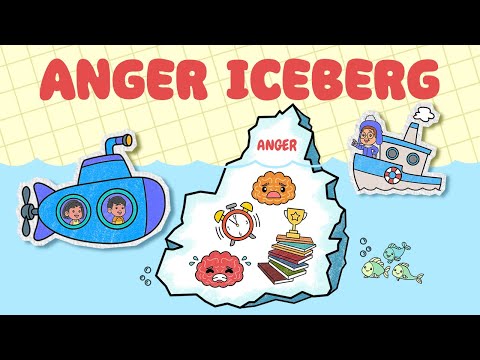
If you’ve ever noticed someone getting furious over small things, that’s often a sign of deeper issues boiling underneath the surface—a kind of iceberg effect where only the tip (the visible anger) shows while the bulk (the underlying emotions) remains hidden beneath.
Expressing Anger Healthily is crucial too! Suppressing it doesn’t help; often it just builds up until it explodes at the wrong moment (think: traffic jam rage). Learning to express what you actually feel instead can lead to healthier conversations and better relationships.
The thing is, understanding why you’re angry can really help manage those feelings better. It’s not about eliminating anger—it’s about recognizing what lies beneath it so you can deal with those deeper emotions instead!
You see? Anger isn’t just this standalone feeling; it’s usually mixed in with other stuff happening inside us! And once you start connecting the dots on what triggers your own responses, navigating those intense moments becomes way more manageable!
Anger can be like a raging storm, don’t you think? It hits you out of nowhere, transforming even the calmest moments into chaos. I remember this one time when a friend of mine got stuck in traffic for hours. He was already stressed from work, and the moment he heard that honking horn, something just snapped. The next thing I knew, he was yelling at the steering wheel like it had personally wronged him! It was wild to see how quickly his mood shifted.
So, what’s going on in our heads when anger takes over? Basically, it’s all about triggers and responses. Our brains are wired to react to perceived threats. If someone cuts us off in traffic or if we feel disrespected at work, our fight-or-flight response kicks in. When that happens, your body produces adrenaline and cortisol, flooding your system with energy and preparing you to face whatever’s making you mad—whether it be the driver who cut you off or a coworker who stepped on your toes.
But it’s not just about those immediate triggers. Sometimes anger can stem from deeper issues—like unresolved pain or frustration. Think of it this way: if you’re feeling overwhelmed by life’s events or struggling with personal problems that leave you feeling powerless, even tiny annoyances can lead to volcanic eruptions of anger.
And let’s not forget about the social aspect! We’re constantly learning how to express emotions based on our surroundings. If someone grows up seeing anger as an acceptable way to react—like when their parents fought—it might shape how they handle conflict later on. It’s like being in a dance where everyone has different styles; some people stomp their feet while others might sit quietly stewing inside.
So why does it matter? Understanding why you’re angry can really change how you cope with those feelings. Instead of just reacting instinctively—yelling or lashing out—you might take a moment to check in with yourself first: «What am I really feeling right now?» And believe me, slowing down can change everything!
Next time you’re dealing with intense anger—maybe after that long day at work or an unexpected argument with a friend—just remember there’s usually more beneath the surface than what initially meets the eye. Yeah, it’s tough sometimes; we all have moments we wish we could take back—but knowing where that heat comes from is a big step toward keeping those storms at bay.