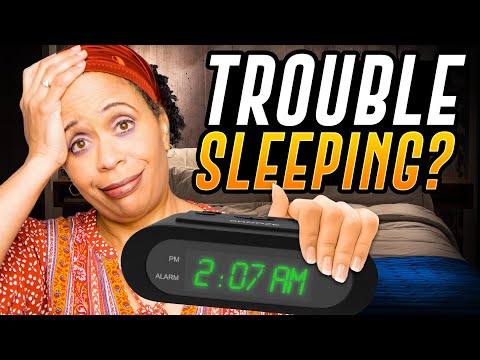
You know that feeling when you’re just lying in bed, staring at the ceiling? Yeah, that’s insomnia.
It sneaks up on you. One night of tossing and turning turns into a week, then a month. And suddenly, you’re trapped in a cycle of exhaustion that feels endless.
I’ve been there too—like trying to run a marathon with downed energy drinks! Seriously, it takes a toll on every part of your life.
Your mood swings like a pendulum, and thinking clearly? Forget about it! You start wondering if sleep will ever be your friend again.
Let’s talk about this mental rollercoaster together. You’ll see you’re not alone in this struggle!
Effective Strategies for Overcoming Severe Insomnia: A Comprehensive Guide
Severe insomnia can really take a toll on your mental health, you know? When sleep is elusive, it’s like being stuck in a fog—everything feels harder. So, if you or someone you know is battling with this sleeplessness, here are some effective strategies to help manage it.
1. Establish a Sleep Schedule
Sticking to a consistent sleep schedule can work wonders. Try to go to bed and wake up at the same time every day—even on weekends! This helps regulate your body’s internal clock. Imagine your body as an orchestra; without a conductor, the music just doesn’t flow right.
2. Create a Relaxing Bedtime Routine
Your mind needs cues that it’s time to wind down. This could be reading a book, taking a warm bath, or practicing deep breathing exercises. Think of it as giving your brains the “Alright, time to chill” signal. Trust me; this simple transition can make a difference.
3. Limit Screen Time Before Bed
Screens emit blue light that messes with your melatonin levels—the hormone that tells you when it’s time to sleep. Try cutting off all screens at least an hour before bedtime. You might find yourself missing out on that last TikTok scroll, but hey, that hour of good sleep will be worth it!
4. Watch What You Eat and Drink
What goes into your body can impact how well you sleep too! Avoid heavy meals and caffeine close to bedtime; they’re like annoying party crashers at your sleep fest! Instead, opt for something light if you’re hungry—a small snack might even help.
5. Get Moving During the Day
Regular physical activity can really boost your chances of falling asleep easily at night. Just think about how exhausted most people feel after exercise—like their bodies are ready for some serious rest! Aim for at least 30 minutes of moderate activity daily.
6. Create an Ideal Sleep Environment
Your bedroom should be like a sanctuary—a place that promotes relaxation and restfulness! Keep things cool, dark, and quiet as much as possible. Consider using blackout curtains or white noise machines if lights and sounds keep bugging you during the night.
7. Manage Stress and Anxiety
Our minds can spiral when we’re anxious—especially when we can’t seem to catch any Zs! Stress management techniques like mindfulness meditation or yoga could help clear out those racing thoughts before bed.
8. Keep Naps Short and Sweet
If you’re feeling tired during the day, don’t write off naps entirely—they can help recharge you! But try keeping them short (20-30 minutes) so they don’t interfere with nighttime sleep later.
You see? These strategies aren’t magic pills but they represent practical steps toward reclaiming those restful nights you deserve! Each little change might feel small on its own but together? They build into something pretty powerful against insomnia’s stubborn grip.
Still struggling? Well, don’t hesitate to talk about it with professionals who know their stuff about sleep disorders—you might find additional personalized insights there too!
Remember: The journey toward better sleep is just that—a journey.
Understanding the Causes of Severe Chronic Insomnia: Insights and Solutions
Severe chronic insomnia can feel like you’re stuck in a never-ending cycle of exhaustion. You’re tossing and turning at night while the world sleeps peacefully around you. It’s frustrating, right? The causes of this condition can be pretty complex, but let’s break it down so it makes sense.
First off, understand that insomnia isn’t just about not sleeping. There are often underlying issues that contribute to it. Stress is a biggie. When you’re overwhelmed with work, family pressure, or even just life in general, your mind races at night. You might find yourself replaying your day or worrying about tomorrow instead of drifting off into dreamland.
Another major player in the insomnia game is anxiety. If you feel on edge or have racing thoughts, it can become nearly impossible to relax enough to fall asleep. For instance, think about those nights where you’re anxious about something like an upcoming presentation—counting sheep isn’t gonna cut it then!
A quick story here: I once knew someone who struggled with insomnia for months. They thought they could fix things by just trying harder to sleep. Turns out they were drinking coffee late into the afternoon and had a glaring clock shining bright across the room! Just small changes made a huge difference.
The mental toll of extreme insomnia is heavy. It drains your energy during the day and affects how well you function—your mood can take a nosedive too! People often report feeling irritable or depressed as their sleep declines. And this creates a vicious cycle: lack of sleep leads to poor mental health which then leads to less quality sleep.
What’s important is finding solutions that work for you! Many people have found success with things like:
The bottom line? Severe chronic insomnia has multiple causes but understanding them opens doors for solutions. Take the time to explore what might be affecting your sleep—you deserve those restful nights!
Exploring the Link Between Heart Failure and Insomnia: Causes, Effects, and Solutions
Heart failure and insomnia might seem like two random things, but there’s actually a connection between them that you might find interesting. When we dig a little deeper, it turns out that one can influence the other in some pretty profound ways.
First off, let’s look at what heart failure really means. It doesn’t mean your heart has stopped beating; instead, it refers to a condition where the heart struggles to pump blood effectively. This struggle can lead to fatigue, fluid buildup, and even shortness of breath. Now, dealing with all those physical symptoms isn’t easy–it often brings on anxiety or stress.
So where does insomnia fit into this picture? Well, people with heart failure often find themselves tossing and turning at night. The worry about health issues can keep your mind racing when you’re trying to sleep. Plus, those pesky symptoms—like coughing or difficulty breathing when lying down—just don’t let you get comfy.
Now, the effects of insomnia can spiral out of control! Lack of sleep can make you feel foggy-headed during the day. It messes with your mood too—you might feel irritable or down more often than usual. On top of that, poor sleep is linked to things like an increased risk of depression or anxiety, which definitely doesn’t help if you’re already stressed about your heart condition.
Speaking of stress and anxiety, here’s the kicker: insomnia can worsen heart failure. When you’re not sleeping well, your body thinks it’s under even more stress. That raises blood pressure and makes your heart work harder than it already is! So it’s like a vicious circle—you get anxious about not sleeping well; that makes your heart struggle more; then you can’t sleep again because you’re worried!
Now let’s chat about some potential solutions here because it’s important to break that cycle. Some steps might include:
Incorporating light exercise during the day (as long as it’s okay for your situation) can also work wonders—it helps reduce stress levels and promotes better sleep later on.
It seems overwhelming at times—living with both heart failure and insomnia—but understanding how they affect each other opens up paths toward feeling better overall. So if you’re in this boat or know someone who is, remember: tackling sleep issues could make a real difference in both mental well-being and physical health!
Insomnia can feel like a thief in the night, stealing your sleep and leaving you with an exhausted mind. It’s not just about counting sheep or drinking warm milk. It takes a toll that hits harder than you’d think. Imagine lying awake, staring at the ceiling while the clock ticks louder and louder; each tick feels like a reminder of how much you’re missing out on life.
I’ve had friends who’ve battled insomnia, and their experiences are eye-opening. One close buddy of mine shared how he felt like he was living in a fog all day long, struggling to concentrate on work and getting irritable over the smallest things. Not getting enough sleep isn’t just frustrating; it can turn your whole mood upside down! You know? Those moments when you’re just too tired to enjoy anything?
When you’re sleep-deprived, your brain isn’t running on all cylinders. Research shows that lack of sleep messes with emotions—it can heighten feelings of anxiety and depression. You may find yourself more likely to snap at someone or feel overwhelmed by everyday tasks. I mean, even simple decisions seem monumental when you haven’t rested properly!
And let’s not forget the physical side of it too! Chronic insomnia can lead to issues like headaches or digestive problems, which only add more stress to an already strained mental state. It’s almost like being stuck in a vicious cycle: less sleep leads to worse mental health, which then makes it even harder to fall asleep.
So what do we do about it? Well, confronting insomnia is more than just trying different pillows or herbal teas before bed—though hey, sometimes those things help! It’s about recognizing this struggle for what it is: an ongoing battle that many people face in silence. Talking about these experiences is vital because it’s easy to feel isolated when you’re wide awake while everyone else snoozes peacefully.
If you know someone going through this—just lending an ear can make a difference. Letting them know they’re not alone may ease some of the weight they’ve been carrying around like a heavy backpack full of worries.
Extreme insomnia challenges us on so many levels; it’s emotionally draining and physically exhausting altogether. But acknowledging its impact is the first step towards finding ways to cope—and maybe even reclaim those lost nights under the stars.