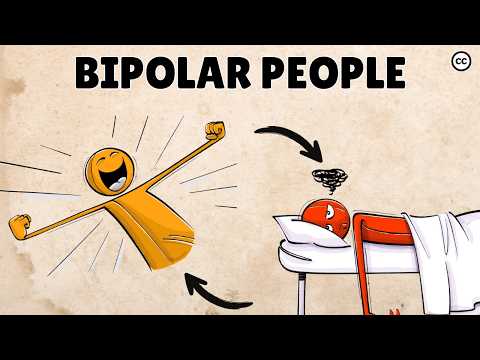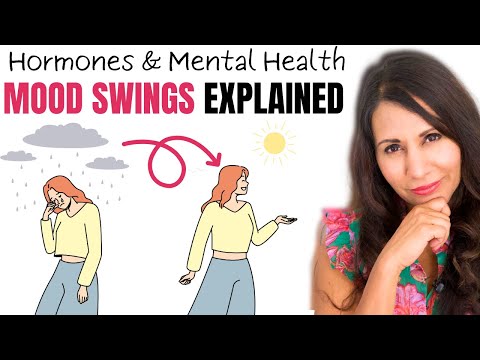
You know those days when you feel like you’re on top of the world, and then, bam! Suddenly you’re in the dumps? Yeah, intense mood swings can be wild.
It’s like riding a rollercoaster, isn’t it? One minute you’re laughing; the next, you might find yourself crying over a sad song or something really silly.
But what’s going on there? Well, there’s a lot we could dig into about what causes these shifts.
Sometimes it’s not just about being happy one moment and sad the next. There are some pretty interesting psychological things happening underneath.
So let’s take a look at this together. I think understanding what’s behind those ups and downs can be really eye-opening!
Navigating Extreme Mood Swings: Effective Strategies and Support Options
Extreme mood swings can really flip your world upside down. One minute, you’re on cloud nine, feeling invincible. The next, it’s like a storm cloud just rolled in, and everything feels heavy and dark. The ups and downs can be challenging, but there are ways to navigate through this emotional rollercoaster.
Understanding Mood Swings: Mood swings can happen for a lot of reasons. Sometimes they’re tied to stress, big life changes, or even hormonal shifts. You might find yourself experiencing intense emotions that seem out of proportion to the situation at hand. This can leave you feeling confused and isolated.
Recognizing Triggers: One effective strategy is getting to know your triggers. What sets off these dramatic shifts? Is it a tough conversation? A stressful deadline? Keeping a journal can help you track your moods and potential triggers over time. It’s like collecting data on your feelings, which may sound tedious, but it really helps.
- Check-in with Yourself: Set aside a few moments each day to reflect on how you’re feeling. Ask yourself questions like: “What am I feeling right now?” or “What happened today that might have affected my mood?”
- Talk it Out: Sharing your experience with someone who understands can make a huge difference. Whether it’s a friend, family member, or support group, talking about what you’re going through helps you feel less alone.
- Mindfulness Practices: Engaging in mindfulness exercises—like meditation or deep-breathing techniques—can ground you when moods start to swing wildly. It encourages being present in the moment instead of getting swept away by those intense feelings.
- Create Routine: Having some structure in your day-to-day life provides stability when everything feels chaotic inside you. Simple routines around sleeping, eating well, and regular exercise can help balance your moods too.
Coping Mechanisms: Finding healthy outlets for those feelings is key! Some people find comfort in physical activity—it’s amazing how much better walking or dancing can make us feel! Others channel their emotions into creative pursuits like art or writing. Explore what works for you; you’ll be surprised by how defining that process is.
You’re Not Alone: If mood swings are seriously affecting your daily life or relationships, seeking professional support is totally valid. People can really benefit from talking things through with someone trained to help navigate those crazy ups and downs—like therapists or counselors who specialize in mood disorders.
The thing is…everyone has emotional ups and downs from time to time—even if some have them more intensely than others! What matters most is how we deal with them when they arrive. By practicing self-awareness and engaging with supportive strategies (and people), you’re taking steps towards managing those extremes more effectively!
Navigating extreme mood swings isn’t easy—there might still be tough days ahead—but remember: You have tools at your disposal! Your journey involves discovering what works best for you because finding balance doesn’t just happen overnight; it’s an ongoing process.
Understanding Mental Disorders: Exploring the Causes of Extreme Mood Swings
Understanding extreme mood swings can feel like navigating a rollercoaster, you know? One minute you’re on top of the world, and the next, you’re in the depths of despair. So what exactly causes these emotional ups and downs? Let’s break it down.
Biological Factors play a huge role. Your brain chemistry is like a delicate balance, and when things get outta whack, mood swings can happen. For instance, neurotransmitters like serotonin and dopamine are super important for regulating mood. If those levels get disrupted, it could lead to feelings of euphoria one moment and sadness the next.
Another factor to consider is genetics. If someone in your family has struggled with mood disorders, you might be more likely to experience similar challenges. It’s not a guarantee but think of it as being handed a not-so-great card in life’s deck.
Environmental Influences can’t be overlooked either. Stressful situations—like losing a job or going through a breakup—can trigger intense emotional shifts. Picture someone who just got fired; they might feel angry one minute and then anxious the next as they worry about paying bills. It’s exhausting!
Then there’s psychological factors. Conditions like bipolar disorder are often associated with extreme mood swings, but even folks without a diagnosis can experience them due to unresolved trauma or chronic stress. Imagine carrying around past hurt; it can lead to moments where you just snap over little things.
And hey, let’s chat about lifestyle choices. Things like lack of sleep, poor diet, or substance abuse can mess with your mood big time! Ever felt cranky after pulling an all-nighter? That’s your brain reacting! Your overall well-being really affects how you feel emotionally.
So when we look at triggers, we see they can be unique for everyone. Maybe you have that friend who gets moody after social events—it’s not always easy for introverts to recharge! Or consider someone with anxiety; even small changes in routine might flip their mood from happy to stressed out quickly.
Finally, let’s not forget coping mechanisms. Some people have healthy ways to deal with their emotions—like exercise or talking things out—but others might resort to unhealthy strategies like isolation or substance use. Developing healthy coping strategies is key for managing those wild ride moods better.
In short, understanding extreme mood swings isn’t just about labeling them; it requires us to explore all those interconnected factors that contribute. It’s an intricate web made up of biology, genetics, environment, psychology, lifestyle choices—and ultimately how we cope with what life throws our way! So yeah, if someone’s riding that emotional rollercoaster constantly—it could be worth looking into the bigger picture together.
Understanding the Four Stages of Elevated Mood: A Comprehensive Guide
- Stage One: Euphoria
- Stage Two: Heightened Activity
- Stage Three: Irritability
- Stage Four: Emotional Exhaustion
This is like hitting the highway at full speed. You’re on top of the world, feeling invincible. Everything seems bright and shiny, and your energy levels are through the roof. It’s that rush you might get when you achieve something big or after a thrilling experience. You feel creative, social, and ready to take on anything.
Here, your mind starts racing with ideas. You might find yourself juggling multiple projects or making spontaneous plans with friends. But hold on! This stage can also be a little chaotic—think of it as being hyper without an off switch. You might notice sleep becoming more elusive while your to-do list somehow grows longer.
This stage can sneak up on you, like a friend who crashes your party uninvited. As your mood escalates, so can frustration. Things that normally wouldn’t bother you start to grate on your nerves, and small issues become huge mountains in your mind. Your emotional swings may feel intense; one minute you’re ecstatic, and the next you’re feeling annoyed and restless.
You’ve been riding a rollercoaster for too long without a break, and now it’s catching up with you. This is where you might crash down from those dizzying heights into exhaustion or even melancholy. After all that excitement, it’s normal to feel drained—like you’ve run a marathon but never trained for it! Suddenly, things that used to bring joy don’t seem as appealing anymore.
Each of these stages has its own vibe and can vary widely between people. For some folks, they might move quickly from one stage to another; for others, it’s more of a slow build-up over time.
Mood swings like these often come up in contexts like bipolar disorder, where individuals may experience this kind of intensity more regularly than others do in day-to-day life. But it’s also pretty common for anyone dealing with stress or major life changes to go through similar ups and downs.
Navigating these stages requires some self-awareness—it’s kinda like being an emotional detective! Noticing what triggers each stage can really help in managing them better and finding balance again.
You know, intense mood swings can feel like riding a roller coaster, right? One minute you’re on top of the world, feeling invincible, and then—bam!—you drop into this pit of despair. It’s wild how quickly things can change. And honestly, it can leave you and the people around you a little dizzy.
So what’s going on here? Well, mood swings can be tied to a bunch of different things. Sometimes it’s as simple as stress or lack of sleep. Other times, they might be linked to mental health conditions like bipolar disorder or borderline personality disorder. You see, when emotions go from high to low in such short periods, it’s not just about being «moody.» It’s like there’s an internal system that’s struggling to find balance.
A friend of mine once shared their experience with mood swings. Some days they were bursting with energy and confidence—like they could conquer anything. But then, out of nowhere, they’d feel overwhelmed by sadness or irritability that seemed completely disproportionate to whatever was happening in their life at the moment. They felt trapped in this cycle, which left them confused and drained.
It turns out that understanding these swings is key! The brain’s chemistry plays a huge role in how we feel. Neurotransmitters like serotonin and dopamine are involved in regulating our moods. When there’s an imbalance—or even just a response to external stressors—things can get pretty rocky fast.
But here’s the thing: recognizing your patterns can really help. Keeping track of when these shifts happen might give you clues about triggers—like certain situations or even interactions with specific people that set off those feelings. It’s all about building awareness so you don’t feel like a puppet on strings.
It’s also important to remember that everyone experiences mood fluctuations from time to time; it’s part of being human! What matters is figuring out how to cope with them when they hit hard and understanding why they’re happening in the first place.
So next time you’re dealing with those ups and downs—or maybe supporting someone who is—remember: it’s okay to seek clarity about what’s going on under the surface! After all, navigating those whirlwind emotions together makes for some powerful connections and deeper understandings.