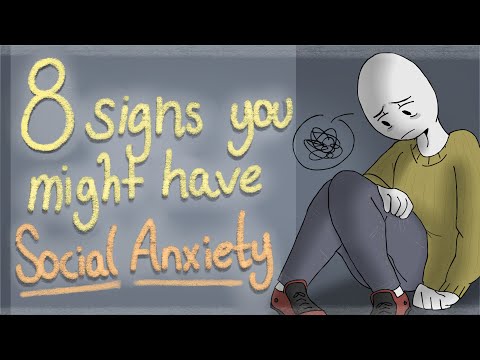
So, social anxiety. It’s that knot in your stomach before a party, right? Or the panic when you have to give a presentation. You’re not alone in this.
I mean, seriously, tons of people feel it. Like that time my buddy freaked out over ordering food at a restaurant. Totally relatable!
But what’s really going on in our heads when those anxious waves hit? It’s more than just nerves; it’s a whole tangled web of thoughts and feelings.
Let’s chat about it! We’ll explore what happens behind the scenes and some ways to help you navigate through those intense moments. Ready to dig in?
Understanding the Triggers of Extreme Social Anxiety: Causes and Insights
Social anxiety can hit like a ton of bricks, right? One moment you’re just chilling, and the next you’re sweating bullets at the thought of talking to someone new. Understanding what’s behind those feelings—those triggers—is super important to deal with them.
So, what exactly triggers extreme social anxiety? It usually boils down to a mix of different causes. Here are some key points to think about:
- Genetics: Yeah, some people are just wired that way. If your parents or siblings struggle with anxiety, you might be more likely to feel it too.
- Past Experiences: Maybe you had a rough time in school—like when everyone laughed at your presentation or you were picked last for a team. Those moments can stick with you and set off panic later.
- Overthinking: Do you ever find yourself running through conversations in your head? Constantly replaying what you said (or didn’t say) can tighten that knot in your stomach.
- Sensitivity to Criticism: This is huge! If you’re especially affected by what others think or say, it can amplify anxiety around social situations.
- Lack of Social Skills: Sometimes, people avoid situations because they feel awkward or unsure about how to behave. Feeling out of place can spark fear like nothing else!
Anecdote time! I once had a friend who was ridiculously talented at art but shied away from every gallery opening. The thought of mingling and chatting made her skin crawl! It turned out that back in high school, she got roasted by classmates over one of her pieces being critiqued poorly. That memory lingered for years and kept her from embracing opportunities.
Now let’s talk about some insights into tackling this massive hurdle. You’ve got those triggers—that’s phase one. But figuring out how to cope is where it gets real!
- Acknowledge Your Feelings: Seriously, don’t brush them under the carpet! Accepting that you’re anxious is the first step toward overcoming it.
- Gradual Exposure: Try easing into social situations instead of jumping in headfirst. Start small and build your confidence over time.
- Cognitive Behavioral Techniques: These are fancy words for changing how you think about situations—like reframing negative thoughts into more positive ones.
At the end of the day, coping with extreme social anxiety isn’t quick or easy; it’s a process filled with ups and downs. Remember that everyone’s journey looks different, but knowing what activates those feelings gives you a fighting chance to manage them better! Understanding yourself is empowering—you’ve got this!
Exploring the Permanence of Social Anxiety: Insights and Perspectives
Social anxiety can be like that annoying little voice in your head that just won’t shut up. Picture this: you’re at a party, music’s pumping, but all you can think about is how awkward you feel. It’s tough, right? The thing is, social anxiety doesn’t just disappear overnight. It often lingers around, making everyday interactions feel like climbing a mountain.
The Permanent Nature of Social Anxiety
So here’s the deal: for many people, social anxiety feels pretty permanent. It’s not just about being shy or having stage fright; it’s more like an ongoing battle with fear and discomfort in social settings. You might find yourself avoiding situations because of the dread of being judged or embarrassed.
Some folks might carry these feelings for years. Maybe you remember a time in high school when speaking up in class felt impossible, and now, years later, the thought of giving a presentation still sends chills down your spine. This isn’t uncommon at all!
How It Develops
The roots of social anxiety can be quite deep. Often, it kicks off during childhood or teen years. It could stem from experiences where you felt judged or rejected. Maybe you were teased once or struggled to fit in? Such incidents can plant seeds of anxiety that grow over time.
And here’s something interesting—people with certain traits are more likely to develop social anxiety. If you’re naturally introverted or have low self-esteem, these factors can contribute significantly to the feeling of being overwhelmed around others.
Physical and Emotional Responses
When thrown into a social situation, your body can react in pretty wild ways—heart racing, palms sweating—you know the drill! These physical responses are your brain’s way of saying “danger!” even if there isn’t any real threat around you.
On top of that emotional cocktail comes self-criticism and negative thinking patterns. You might catch yourself replaying conversations over and over in your head afterward or worrying about what people think about you long after you’ve left an event.
Coping Mechanisms
So what happens when this feeling sticks around? A lot of people try various strategies to cope:
- Avoidance: This one’s common—skipping parties or even calling in sick to avoid meetings.
- Cognitive Restructuring: Basically changing how you think about those situations. Instead of «Everyone will laugh at me,» it shifts to «Some might not even notice me.»
- Mindfulness Practices: Techniques like meditation help ground you when everything feels overwhelming.
- Talking About It: Sometimes simply sharing your feelings with others who understand can ease some pressure.
Each person has their own combo that works for them; what feels right for one person might not cut it for another.
The Path Forward
Luckily, while some may find their social anxiety feels permanent, many discover helpful tools along the journey to manage it better! Therapy options range from cognitive-behavioral therapy (CBT) to more creative approaches like art therapy. Find what resonates with you!
It’s definitely not easy navigating through these feelings alone—not by a long shot! But knowing you’re not really alone in this struggle can be kind of comforting too. Each small step taken toward managing social anxiety counts as progress—even if it doesn’t always feel like it in the moment.
In essence, exploring the permanence—or at least the perceived permanence—of social anxiety involves understanding its developing roots and finding coping strategies that suit you personally. And remember, every bit of effort adds up over time!
Exploring the Happiness of Individuals with Social Anxiety Disorder in Solitude
Social anxiety disorder can feel like carrying a weight, making everyday interactions really tough. But have you ever thought about how some people with this condition experience happiness in solitude? It’s an interesting topic that brings together many aspects of psychology and personal experience.
When folks have social anxiety, being around others can trigger feelings of fear and discomfort. Seriously, just thinking about social gatherings can be enough to bring on a wave of anxiety. However, spending time alone often provides a **much-needed break** from those overwhelming feelings. So, in their solitude, these individuals might find relaxation and peace that’s hard to come by in crowded places.
Finding Joy in Solitude is crucial for many with social anxiety. It’s like being given the chance to recharge their emotional batteries. Being alone lets them engage in activities they enjoy without worrying about judgment or expectations. Whether it’s reading, painting, or just binge-watching a favorite series, these moments can be deeply fulfilling.
Interestingly, solitude allows for self-reflection. People with social anxiety may use this time to understand themselves better. They think about their feelings and thoughts without the noise of social interactions clouding their mind. This self-awareness can spark personal growth and maybe even boost their confidence when they eventually face social situations again.
But it’s not all sunshine and rainbows! There’s this fine line between enjoying solitude and feeling lonely or isolated. Sometimes, people might struggle with the idea that they’re missing out on connections while being alone. This is when even a brief interaction—like texting a friend—can help bridge that gap without the stress of face-to-face communication.
Sometimes individuals might also set up small challenges for themselves while still enjoying their alone time. For instance, they could try participating in an online community where it feels safer since there are no immediate physical pressures involved. It’s like dipping your toes into social waters before jumping into the pool!
Ultimately, what happens is that individuals with social anxiety can discover unique ways to find happiness amid solitude but also need support to make sure it doesn’t turn into complete isolation.
So yeah, it’s all about balance! Enjoying solitude while occasionally nudging oneself toward connection really seems like an effective way to navigate life with social anxiety disorder. They learn to appreciate quiet moments yet understand the value of reaching out—even if it’s just through a screen or text message!
Social anxiety can feel like a massive weight on your chest, right? It’s that nagging worry when you’re about to enter a crowded room, or even just when you’re scrolling through texts like, “Do I really want to respond to this?” It’s crazy how your mind can build up scenarios that make you feel super small in big spaces.
You might remember a moment when you avoided an event because the thought of making small talk seemed unbearable. That was me at a friend’s wedding once. Everyone was laughing and dancing, and I just felt frozen. My brain kept screaming, “What if they think I’m awkward?” So I hid in the corner, nursing my drink, feeling like the odd one out. Later, I realized it wasn’t as bad as I thought; people were just happy being together.
So here’s the thing—social anxiety often comes from a blend of fear of judgment and past experiences. You might’ve felt embarrassed or rejected in social settings before, which then makes you second-guess yourself in future interactions. Our minds can turn into these relentless storytellers! One minute you’re just trying to join a conversation; the next, you’re spiraling into thoughts about how everyone is judging every little thing you do.
But coping with this isn’t about flipping a switch and being carefree. Seriously! It starts with acknowledging those feelings without letting them control you. This could mean talking about it with someone you trust or even jotting down how you feel. Putting thoughts on paper sometimes strips them of their power.
Another angle worth mentioning is gradual exposure—like dipping your toes into the social pool instead of diving headfirst. You don’t have to start with big gatherings! Maybe just chatting with a barista or saying hi to an acquaintance could be first steps. It’s funny how those little victories add up over time and help build confidence.
And then there’s mindfulness—the practice of staying present instead of getting lost in what-ifs. Just focusing on your breath for a minute can ground you and remind you that it’s okay to feel anxious; it doesn’t define you.
Honestly, navigating social anxiety is all about self-compassion too. It’s easy to be hard on yourself for feeling this way—like why can’t I just be more outgoing? But hey, everyone has their battles! Embracing where you’re at can turn that whole experience around.
So yeah, while extreme social anxiety feels heavy and isolating at times, there are ways through it that don’t require perfection—just honesty with yourself and the willingness to take small steps forward. You’ve got this! Even those awkward moments have their charm—you never know what connections might actually blossom from them!