You know, it’s wild when you think about how many famous people have dealt with some serious mental health stuff. Like, some of them might even show traits of Borderline Personality Disorder.
I mean, can you imagine being in the spotlight all the time, trying to juggle emotions that feel super intense? It’s kinda mind-blowing!
From artists to actors, there’s a whole list of folks who have navigated these waters. It makes you wonder how their experiences shaped their work, right? So let’s chat about some of these iconic figures and see what we can learn from their stories.
Understanding BPD Rage: Real-Life Examples and Insights
Borderline Personality Disorder (BPD) is one of those terms that gets thrown around a lot, but really understanding it, especially the rage that can come with it, is crucial. So let’s break it down and look at some real-life examples, shall we?
First off, the rage associated with BPD isn’t just everyday anger. It’s intense and can seem disproportionate to what triggered it. Imagine a small disagreement escalating into a full-on meltdown—like suddenly feeling overwhelmed because a friend forgot to text back. You might think, “That’s not even a big deal!” But for someone with BPD traits, it feels like their whole world is colliding.
Now let’s talk about some famous figures who have been discussed as having traits of BPD. Think of celebrities like Princess Diana. She had incredibly emotional experiences throughout her life. Her ups and downs were part of public life—one minute beloved by millions, the next feeling lost and alone after a breakup or during her struggles with mental health. It’s easy to see how intense emotions can lead to explosive reactions.
- Intense Relationships: People with BPD often struggle with their connections to others. They swing from idolizing someone to suddenly feeling intense anger or abandonment over minor issues.
- Fear of Abandonment: This fear can trigger rage when they sense someone pulling away or becoming distant—even if it’s unintentional.
- Coping Mechanisms: Sometimes these moments of rage are tied to past traumas or attachment issues. It’s like carrying around old wounds that flare up under stress.
A classic example is the on-and-off relationship many people have experienced—I mean, haven’t we all? But for someone dealing with BPD traits, it might feel more like you’re riding an emotional rollercoaster every time they think they might lose someone close.
You might also notice people reacting defensively when faced with criticism or perceived rejection. Like when a regular comment on their performance leads them to feel utterly rejected and lash out in anger. This isn’t just drama; it’s their brain’s way of coping with deep-seated fears.
You often hear about celebrities struggling openly with their mental health too—and honestly? That helps bring awareness. When people like Kanye West share their experiences, it shines a light on how complex emotions can be. His public outbursts sometimes reflect this rage that doesn’t stem from nowhere; instead, they’re deeply connected to his personal battles.
The thing is, while these famous figures show us the extremes of these traits, it’s important not to generalize everyone’s experience too much. Each person grappling with BPD has unique ways in which these emotions manifest themselves;
- The intensity of Emotions: This isn’t just being sad or mad; it’s feeling things at an extreme level—think colors turned on full blast!
- The Aftermath: After the storm passes—there’s often guilt or shame about how they acted during those moments.
- The Path Forward: While rage can be destabilizing for those living through it and those around them—to work through these feelings benefits everyone involved!
If you ever find yourself in a situation where someone’s BPD rage comes into play, just keep in mind that although their feelings might seem irrational from the outside looking in—those emotions are very real for them.
If you dig deeper into this topic—and I totally encourage you to—you’ll find lots of resources talking about how empathy and understanding go hand in hand when navigating relationships affected by such intense emotional patterns.
The bottom line? Understanding BPD rage involves recognizing the deep fears and hurts behind those explosions—not just writing them off as “bad behavior.” And that recognition could make all the difference in building compassionate connections across the board!
Effective Exercises for Managing Borderline Personality Disorder: Discover the Best Options
Managing Borderline Personality Disorder (BPD) can feel like riding a rollercoaster. Seriously, one moment you’re on top of the world, and the next you’re spiraling down into some heavy emotions. But there are effective exercises that can help you navigate through those intense feelings and improve your emotional well-being.
Mindfulness Meditation is a powerful tool. It’s all about being present in the moment without judgment. Start with just a few minutes each day. You might focus on your breath or listen to calming sounds. Over time, this practice can help you observe your thoughts without getting swept away by them.
Another great exercise is Dialectical Behavior Therapy (DBT). This includes several key skills that are super useful for managing BPD. One of these is emotion regulation, which helps you understand and manage your emotions better. For instance, if you’re feeling really angry, instead of lashing out, DBT teaches you to pause and think about what’s triggering that anger.
Journaling also works wonders. Writing about your thoughts and feelings helps clarify what’s going on inside your head. You can express yourself freely without worrying about what others think—it’s just between you and the page! Let’s say you’re upset after a disagreement with a friend; putting those feelings on paper can lighten the load you’re carrying.
Another effective approach is breathing exercises. When emotions run high, focusing on your breath can ground you. Try inhaling deeply through your nose for four counts, holding it for four counts, then exhaling slowly through your mouth for six counts. This simple technique can instantly calm your nervous system down.
Don’t forget social support. Surrounding yourself with trusted friends or family can be incredibly helpful as they offer a safe space to express yourself. Maybe it’s having coffee with a close friend or chatting over video call with a sibling who understands your experiences.
Also worth mentioning are creative outlets like art therapy. Expressing yourself visually can be incredibly liberating when words just don’t cut it! Grab some paints or markers and let loose; it doesn’t have to be perfect; it just needs to come from the heart.
And finally, consider joining support groups—either online or in-person—where people share similar experiences with BPD traits. Hearing others’ stories can make you feel less isolated and give you new ideas about how to cope.
In summary, managing BPD involves combining mindfulness techniques, journaling, breathing exercises, social support, creative expression, and learning from others’ experiences. These tools can help smooth out those emotional peaks and valleys so life feels a bit more manageable over time!
Exploring the 4 Types of Borderline Personality Disorder: Key Insights and Understanding
Borderline Personality Disorder (BPD) is a complex mental health condition that can make relationships and emotions feel like a rollercoaster. There are actually different types of BPD that can show up in people. Understanding these can help you, or someone close to you, navigate this tricky landscape a bit easier.
1. Classic BPD: This type is often what comes to mind when people think about BPD. It’s characterized by intense emotional swings, fear of abandonment, and sometimes impulsive behaviors. Picture someone who finds themselves feeling ecstatic one moment and devastated the next because a friend didn’t text back right away. The emotional rollercoaster can be exhausting.
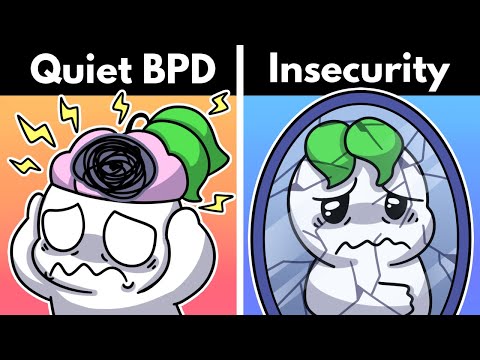
2. Quiet BPD: Now, this one might surprise you because it doesn’t always fit the typical mold of what we think about with BPD. Instead of acting out, people with Quiet BPD may internalize their struggles. They might seem calm on the outside but are dealing with intense feelings inside—like feeling invisible or unworthy without displaying it openly. This can lead to loneliness and frustration.
3. High-Functioning BPD: You might know someone who seems successful on the outside but has emotional struggles behind closed doors—that’s often high-functioning BPD in action. Those folks can hold down jobs and maintain relationships yet still grapple with deep-seated feelings of emptiness or self-doubt that they hide from others. It’s like being on stage and performing well while feeling like you’re falling apart backstage.
4. Dysregulated BPD: This sub-type is marked by significant issues in regulating emotions and behaviors; people often react impulsively to life events without thinking things through first. Imagine getting into an argument and immediately flying off the handle or making huge decisions without considering the consequences—it’s chaotic not just for them but for those around them too.
People sometimes look at famous figures who may have traits associated with BPD as examples; they give insight into how these traits manifest in real life. Think about celebrities known for their dramatic ups and downs—while we can’t diagnose them from afar, their behaviors might give you a glimpse into how varied this disorder can be.
Understanding these types isn’t just academic; it sheds light on real experiences that people go through every day. If you or someone you know is dealing with something like this, recognizing it’s not all one-size-fits-all helps foster compassion—for ourselves and others too!
So, let’s chat about borderline personality disorder (BPD) and some famous figures who might have shown traits of it. You know, BPD can be a tough one to wrap your head around. It’s all about those intense emotions, unstable relationships, and that fear of abandonment. But here’s the thing: just because someone has traits associated with BPD doesn’t mean they fit neatly into a box labeled «crazy» or something.
Anecdote time! I once read about a well-known actress who seemed to embody some of those classic BPD characteristics. She had these passionate love affairs that would go up in flames and then down into the depths of sadness all in a matter of weeks. It made you think, wow, what a rollercoaster! But it also kind of made me wonder what was going on beneath the surface for her—what experiences shaped those intense feelings?
Anyway, let’s talk about famous people who’ve been suspected of having traits related to BPD. There’s Marilyn Monroe, for sure. Her life was filled with heartbreak and dramatic highs and lows. She was this luminous star but often seemed lost in her relationships too. Then there’s Kurt Cobain; his struggles were so public, and you could see that push-pull dynamic in his connections with people—both yearning for closeness but also feeling deeply misunderstood.
Here’s where it gets interesting though: society often puts these folks on pedestals, you know? But when they show signs of emotional instability or struggle with relationships, the conversation turns into gossip rather than understanding. They become legends for their talents but are also judged harshly for their personal battles. It’s like we want them to be larger than life but don’t want them to have real problems.
Not everyone might agree on whether someone like Vincent van Gogh had BPD traits, but it sure seems he dealt with pretty intense emotions too! And look at how he channeled all that pain into brilliant art; it makes you wonder how mental health issues can sometimes fuel creativity.
In short, thinking about these famous figures makes me realize that while they touched millions through their work, they were still human grappling with some pretty heavy stuff behind the scenes. It prompts us to reflect on empathy—are we really open to understanding emotional struggles? Or do we just prefer to label and move on? Next time you see someone larger than life struggling emotionally or relationally, maybe take a second to consider their story instead of just simplifying them into “crazy.” We all have our battles; some are just more visible than others.