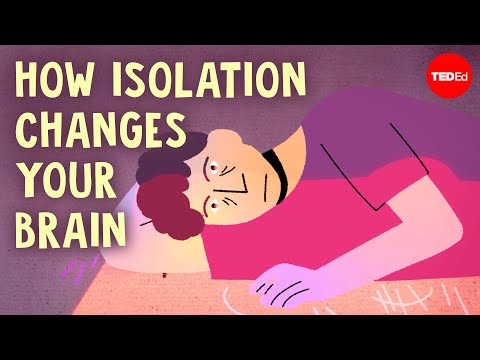
You know that feeling when you’re alone, and everything just feels a bit heavier? It’s like this weight that creeps in when you least expect it.
For some, solitude can be super peaceful—like a cozy blanket on a rainy day. But for others, just the thought of being alone can spark a whole tornado of anxiety.
Why is that? What’s really going on in our minds when we feel that fear of being isolated? Let’s take a closer look at what’s behind this common struggle. Trust me, it’s more relatable than you might think!
Understanding the Fear of Loneliness: Psychological Insights and Legal Perspectives
Understanding the fear of loneliness is all about untangling some pretty complex emotions and behaviors. So basically, let’s break it down.
What is Loneliness?
Loneliness isn’t just being by yourself. It’s that heavy feeling curling up inside when there’s a lack of social connections. You can be in a crowded room and still feel alone, you know? It’s that disconnection from others that really bites.
The Psychology Behind It
You might wonder why some people fear being lonely more than others. Well, a lot of it boils down to our need for social interaction. Humans are wired to connect. When you’re cut off from social ties, your brain can go into panic mode. It’s like an alarm system screaming “Danger!” even if nothing’s really wrong.
- Attachment Styles: Your childhood experiences shape how you form relationships later on. If you grew up feeling abandoned, you might develop an anxious attachment style that makes loneliness feel even scarier.
- Sociophobia: This is when the fear of judgment or rejection keeps people from socializing. The irony? The more you avoid social situations out of fear, the lonelier you end up feeling.
- Negative Self-Perception: Some folks believe they’re unworthy of love or friendship. This leads to isolation since they might avoid reaching out for help or companionship.
The Emotional Toll
Fear of loneliness can seriously impact your mental health. It may lead to anxiety or even depression because, like I mentioned earlier, humans thrive on connections. Feeling alone doesn’t just hurt emotionally; it can have physical repercussions too! Stress hormones skyrocket when you’re isolated for long periods.
Here’s a little story: A friend once told me about their struggle during the pandemic when everyone was stuck at home. They went from being super social to suddenly feeling like an island. Even though they had virtual hangouts, nothing felt quite right—like trying to eat soup with a fork! That sense of isolation led them down a dark path where they questioned their self-worth and friendships.
Coping Strategies
The good news? There are ways to tackle this fear head-on:
- Acknowledge Your Feelings: Accepting that you’re feeling lonely is the first step toward understanding what it means for you personally.
- Reach Out: Talk with friends or family members; sometimes just hearing someone else’s voice can ease those feelings!
- Pursue Hobbies: Engaging in activities you love can fill your time positively and might even help connect with others in similar interests.
The Legal Side
So now let’s quickly touch on legal perspectives around loneliness—believe it or not, it’s relevant! Social isolation has become such a prominent issue that some places have started introducing “loneliness policies.” These aim to address community support networks and promote mental well-being among citizens!
For example, cities are looking into creating more community spaces where people can gather and build connections easily. Imagine parks with events designed specifically for bringing people together—yeah, cities are starting to get it!
In summary, the **fear of loneliness** touches so many aspects—from psychology to how communities function legally! Understanding this fear helps us explore better ways to connect with each other in an increasingly disconnected world. Remember: You’re not alone in feeling this way; many share these experiences, making bonds all the more essential!
Understanding Autophobia Disorder: Causes, Symptoms, and Treatment Options
Autophobia, also known as the fear of being alone or isolated, can hit hard for some. Imagine a situation where you’re left in a quiet room, and suddenly the walls feel like they’re closing in. You can almost feel the panic bubbling up inside. This kind of fear isn’t just about needing company; it’s more about an overwhelming anxiety that can really disrupt your life.
Now let’s break down what leads to autophobia.
- Traumatic Experiences: Sometimes, people who have faced traumatic events—like loss or abandonment—might develop autophobia. They associate being alone with something negative.
- Anxiety Disorders: If you’ve got generalized anxiety disorder or panic disorder, you might find that fear of being alone tags along for the ride. It’s like a sidekick that won’t leave you alone!
- Social Isolation: Living in a situation where social interactions are limited can also be a factor. Over time, being lonely can morph into a deep-seated fear.
The symptoms? They can vary widely but often include feelings of dread when anticipating being alone and physical reactions like sweating or increased heart rate when actually left by yourself. It’s pretty intense!
- Panic Attacks: Some people experience panic attacks at the thought of solitude, feeling like they can’t breathe or their heart is racing uncontrollably.
- Avoidance Behavior: You might notice yourself going out of your way to avoid staying home alone—always seeking company or making plans just to have someone around.
- Nervous Thoughts: When you’re alone, thoughts may spiral out of control, leading to fears that something terrible might happen while you’re by yourself.
If this sounds familiar, treatment options are available! It’s important to know there’s help out there if you’re struggling with autophobia.
- Cognitive Behavioral Therapy (CBT): This type of therapy focuses on changing negative thought patterns about being alone and teaches coping strategies to manage anxiety.
- Exposure Therapy: Gradual exposure to situations where you’re alone helps lessen the intensity of those fearful feelings over time.
- Medication: In some cases, antidepressants or anti-anxiety medications might be prescribed to help ease symptoms and make facing solitude a bit easier.
You know how sometimes just talking about your fears makes them feel smaller? That’s why reaching out for support from friends or family is so crucial as well! Opening up about how you feel can create understanding and maybe even some laughs about how silly our minds can be.
The journey through autophobia isn’t always easy—it takes time and effort to work through those fears. But remember: recognizing these feelings is the first step toward moving past them. Even though it feels tough now, with support and understanding, there’s light at the end of that tunnel!
Understanding Solitude: The Psychological Term for the Fear of Loneliness
Understanding solitude can be pretty complex. So let’s get into it. Many people struggle with the idea of being alone. This fear of loneliness kinda has its own name: **solitude anxiety**, or sometimes **autophobia**. The thing is, this fear isn’t just about not wanting to be alone; it’s about the emotional and psychological weight that isolation can bring.
First off, let’s talk about what happens mentally when someone feels lonely. When you’re isolated, your brain might produce stress hormones like cortisol. You know how when you’re stressed you feel a bit on edge? That’s happening because your mind associates being alone with danger or negativity.
This fear often stems from past experiences. For example, think of a child who was left alone frequently or faced rejection by peers. As they grow older, they might link solitude to those painful moments, making them anxious about any time spent alone.
Another important point is that our society really emphasizes connectivity. Social media and constant communication fill our lives with noise and distractions. So, when you take a break from that and find yourself alone? It can feel overwhelming, right? You might wonder if you’re missing out on something fun or feel like no one cares.
But here’s the twist! Solitude doesn’t have to be scary. Some people even thrive in it! Think of artists or writers who find inspiration in their own company. They use that time for self-reflection or creativity rather than fearing their own thoughts.
That said, managing solitude can be tricky. Some strategies might help ease those lonely feelings:
- Journaling: Writing down your thoughts can help process emotions.
- Meditation: Practicing mindfulness helps to embrace the moment instead of stressing over being alone.
- Setting small goals: Focus on activities you enjoy while alone—like reading a book or watching a movie!
Remember that feeling lonely doesn’t mean there’s something wrong with you; it just means you’re human! Everyone experiences these feelings at some point.
Ultimately, understanding solitude isn’t about avoiding loneliness but learning to appreciate your own company as well. It takes practice but recognizing your value outside of social interactions is empowering! Embracing solitude has potential to foster growth—and hey, maybe even discover stuff about yourself you’ve never noticed before!
You know, there’s something kind of raw about the fear of being alone. It can feel like this heavy weight that settles in your chest. I mean, we’ve all had those moments when you’re sitting in a room by yourself, and it hits you: the quiet seems too loud, and suddenly you’re hyperaware of every little sound. It’s like your mind starts to race with all the “what ifs” and doubts.
Fear of solitude often ties back to our basic human instincts. We’re social creatures, after all. Back in the day, being alone could literally mean danger—like getting eaten by a lion or something! That survival instinct is still hanging around in our brains. So when you think about it, feeling anxious or uneasy about being solitary makes sense on some level.
But it’s not just about survival anymore. Take Sarah, for example. She was used to being surrounded by friends and family but found herself living alone after a big move for work. At first, she was excited to have her space—maybe binge-watching her favorite shows without interruptions! But after a while, that excitement faded into something deeper and darker; she felt isolated and began questioning her self-worth. Those thoughts spiraled until she felt trapped in a cycle of loneliness.
So many people experience this fear but might not even realize what’s going on beneath the surface. It’s like an emotional cocktail mix: anxiety, loneliness, maybe even a dash of depression. It’s tricky because solitude can also be refreshing; some folks actually recharge their batteries in their own company! But for others, solitude feels suffocating.
When you dig into this fear further, it becomes clear that some of us might have conditioned beliefs formed from childhood experiences or past relationships that add fuel to the fire. Maybe someone grew up feeling abandoned or neglected when they were alone; that can shape how they handle solitude as adults.
It’s interesting how complex our relationship with isolation is! You really start to see how mastering the art of being alone can be transformative—not always easy but definitely doable! You just have to confront those feelings head-on rather than running from them.
To wrap it up without rushing through this – yeah, society often glamorizes constant connection while demonizing time alone as lonely or sad. But embracing solitude can actually lead to some deep self-discovery if you allow yourself the space to explore those feelings instead of fearing them. It might just be worth considering how we relate to both ourselves and others when grappling with loneliness—and how we can turn down that fear dial bit by bit!