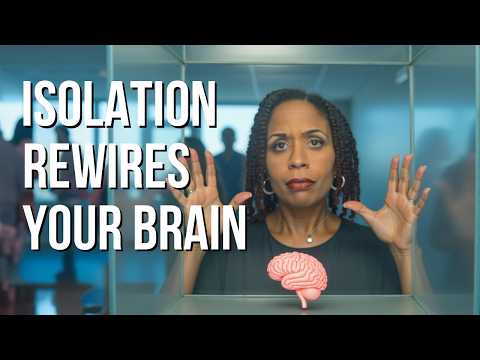
So, let’s chat about solitude. You know that feeling when you’re completely alone? It can be kinda peaceful sometimes, right? Like, just you and your thoughts. But what if it starts to freak you out?
Fear of isolation is a thing. For lots of people, just the thought of being alone sends shivers down their spine. It’s strange how something that could feel cozy turns into a source of anxiety.
I mean, remember that time you were waiting for a friend to meet up, and every second felt like an eternity? Just sitting there… listening to your thoughts? Yeah, that’s what I mean. Suddenly, you start questioning everything.
What happens in our minds when we face solitude? Let’s dig into that together!
Exploring Jim Carrey’s Insights on Solitude: A Deep Dive into His Perspective
Jim Carrey, the famous actor and comedian, has shared some pretty profound insights about solitude over the years. When you think of Carrey, you might picture his wild characters from movies like “Ace Ventura” or “The Mask,” but there’s a deeper side to him. He’s talked openly about his struggles with anxiety and depression and how solitude played a big role in that journey.
**The challenge of being alone** is something many people face. Carrey once mentioned that he embraced solitude as a way to connect with himself. It’s not always easy to sit with your thoughts, right? Sometimes it feels uncomfortable or even scary. You might feel this pit in your stomach when you’re alone, questioning everything about yourself or worrying about what others think.
Here’s where it gets interesting: **Carrey believes that solitude can lead to growth**. He sees it as an opportunity for self-reflection and creativity. When you’re isolated from the noise of the world, you can dive deep into your own thoughts and feelings without distractions. It’s like peeling back layers of an onion to get to the core of who you are.
Now, let’s talk about fear—fear of being alone can be pretty powerful. Many people feel they need constant connection through social media or busy schedules just to avoid facing those inner voices that come alive in silence. Carrey felt this fear too at times but learned to use it as fuel for his art. He turned those lonely moments into comedy gold!
One key point he often highlights is acceptance. Accepting loneliness rather than running from it allows for personal transformation. It’s like saying: “Okay, I’m here with my thoughts, let’s see what happens.” This doesn’t mean you have to love every moment alone; it just means acknowledging your feelings without judgment.
Another thing Carrey mentions is how **solitude can ignite creativity**. Think about it: some of the best ideas often come when you’re in a quiet space with just yourself instead of being bombarded by external opinions and noise. It was during his lower moments that he created some powerful work that resonated deeply with audiences.
So yeah, while loneliness can create feelings of sadness or anxiety for many people, Carrey flips that notion on its head by showing us how profound self-discovery can be when we allow ourselves moments of solitude.
**In summary**, Jim Carrey’s perspective on solitude emphasizes acceptance and creativity amid isolation’s fears. Embracing those quiet moments might just be the key to unlocking parts of yourself you never knew existed! So next time you find yourself feeling alone, remember—it could be an opportunity for reflection and growth rather than a sign of despair!
Understanding Athazagoraphobia: Symptoms, Causes, and Coping Strategies
Athazagoraphobia might sound like a mouthful, but it really gets down to something pretty relatable: the fear of being forgotten or ignored. It’s like when you’re at a party, and you feel completely invisible. You know that feeling? It can be pretty intense for folks who struggle with this phobia. It’s often tied to feelings of isolation and loneliness.
So, let’s break down some of the symptoms of athazagoraphobia. It can vary from person to person, but common signs include:
- Intense anxiety: Just thinking about being forgotten can trigger panic attacks.
- Social withdrawal: You might avoid social situations altogether because you’re afraid no one will remember you.
- Nervousness in relationships: Constantly seeking reassurance from friends or family about how much they care.
Imagine Sarah; she loves her friends, but every time they plan a night out without her, she spirals into anxiety. She starts thinking, «What if they forget me?» That nagging thought leads her to cancel plans or isolate herself further because the fear feels overwhelming.
Now, let’s chat about the causes. While there’s no one-size-fits-all reason for why someone develops athazagoraphobia, a few factors often come into play:
- Previous trauma: Experiencing abandonment or feeling neglected in childhood can set the stage for these fears later.
- Anxiety disorders: If someone has generalized anxiety or social anxiety disorder, they might be more prone to develop this phobia.
- Lack of social support: Feeling isolated without solid connections increases fear of being forgotten.
Take Mark’s story for instance. Growing up, he often felt overlooked by his busy parents who were consumed with work. As an adult, he constantly worries that his close friends might not think of him when they hang out without him, sparking his fears.
Coping with athazagoraphobia is no small task, but there are strategies that can help ease the burden:
- Acknowledging feelings: Understanding your fears is crucial—you can’t manage what you don’t recognize.
- Building a support network: Reach out to trusted friends and family; it helps strengthen those connections and combat feelings of isolation.
- Cognitive Behavioral Therapy (CBT): This approach helps in reframing negative thoughts that fuel your fear—kinda like rewiring your brain!
So how could this work in real life? Let’s go back to Sarah. Instead of avoiding plans entirely, she starts talking openly about her fears with her friends. Turns out they’ve all felt similar things before! This shared vulnerability not only deepens their bond but also highlights that she isn’t alone in feeling this way.
Athazagoraphobia isn’t just about fearing isolation; it’s tied up with our basic human need for connection and belonging. Understanding these elements—symptoms, causes, and coping strategies—makes dealing with those feelings a bit easier. Remembering we’re all in this together can make a world of difference!
Exploring the Connection Between High IQ and Preference for Solitude: Insights and Implications
High IQ and Solitude have been a topic of interest for a while now. You might find it intriguing that many people with high IQs often prefer to spend more time alone than those with average intelligence. So what’s going on here?
Well, one reason could be that individuals with higher cognitive abilities tend to engage in deeper thinking. They process information differently, so they might not always connect with others who think at a different pace or depth. Imagine being in a conversation where you’re ready to explore complex ideas, but the other person is just talking about their favorite TV show. It can feel isolating, right?
Another piece of the puzzle is the intensity of thought. People with high IQs often have rich inner lives. They might get lost in their thoughts or hobbies, immersing themselves in subjects they are passionate about. For example, think of someone who spends hours learning about astrophysics or delving into classic literature. These pursuits can provide immense satisfaction and joy without needing company.
Now, let’s touch on something else: fear of isolation versus preference for solitude. Some folks might confuse these two concepts. Being alone doesn’t always mean being lonely! Many intelligent people cherish their time spent away from the crowd. They recharge and reflect, finding peace in silence. However, there’s also that fear of isolation that can creep up—feeling disconnected from others even when choosing solitude.
Here’s another angle: social dynamics. Sometimes, those with higher IQs can struggle with social interactions due to feeling misunderstood or even judged by peers. When faced with moments where they don’t feel accepted, it makes sense they’d retreat into solitude rather than endure awkwardness or negative vibes.
On the flip side, there’s an implication worth considering: the balance between social interaction and isolation. While solitude has its benefits—like enhancing creativity and giving space for introspection—too much alone time might lead to feelings of loneliness or anxiety for some people over time.
So what does this all mean? If you love your alone time but worry about becoming too isolated, it’s good to check in on your social needs every once in a while! Maybe set aside some time each week to connect with friends—even if just for a casual chat or hangout.
In essence, the connection between high IQ and preference for solitude is complex but fascinating! Understanding it helps shed light on our emotional patterns and how we relate to ourselves and others. Exploring this helps us navigate our own feelings around loneliness and connection better; after all, every individual is unique!
Solitude can be a tricky thing, right? You might think that spending some alone time is a dream, especially when life gets all hectic. But for some people, being alone brings up a gnarly mix of feelings—fear, anxiety, and sometimes even sadness. It’s like, you know, you want the peace and quiet but then there’s this nagging worry about what being alone really means.
I remember one time when I decided to take a solo hike. I was excited at first; just me and nature. But halfway up the trail, it hit me—what if I couldn’t find my way back? What if no one knew where I was? Suddenly, I felt this tight knot in my stomach. It wasn’t just the thought of getting lost; it was this creeping fear of isolation creeping in. Not having anyone around felt heavy.
So what’s going on in our heads when we feel this way? Well, humans are social creatures at their core. We’re wired to connect with others; it’s like part of our DNA. When we’re alone too long—whether by choice or not—it can trigger worries that escalate quickly. Is something wrong with us? Are we unlovable or overlooked? The mind can go into overdrive, creating these worst-case scenarios that don’t even exist.
The idea of solitude sounds peaceful on paper, but it often stirs up fears linked to rejection or abandonment. You might compare yourself to others and feel like everyone else has it together while you’re just stuck here with your own thoughts. Seriously! That voice in your head can tell some pretty harsh stories.
So how can we make peace with solitude without letting that fear take the wheel? Sometimes it helps to reframe how we see being alone. Instead of viewing it as loneliness, what if you saw it as an opportunity for self-discovery? Getting comfortable with yourself means getting to know your own thoughts and feelings without distractions.
And hey, if solitude isn’t vibeing with you right now – that’s totally okay! We all have different comfort levels when it comes to being alone or being around other people. Finding a balance is key; maybe set aside some intentional alone time while also making sure you’re connecting with friends or loved ones regularly.
At the end of the day, learning to embrace solitude is a journey filled with ups and downs—and that’s perfectly normal. It might seem intimidating at first glance but approaching it slowly can open doors you didn’t even know were there!