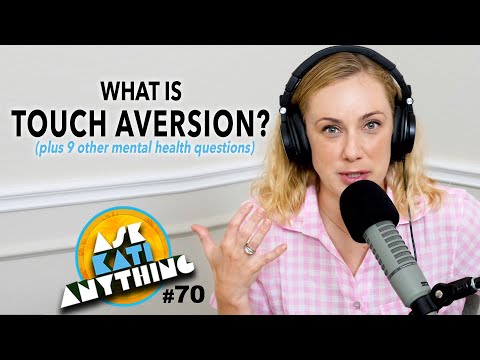
You know how some people just don’t like being touched? Like, at all?
It’s a pretty common thing, but it can be super complicated. Touch aversion can stem from various experiences and feelings. Sometimes it comes from past trauma, other times it’s about personal boundaries or sensory sensitivities.
But here’s the kicker: it isn’t just about comfort levels. This aversion can really affect relationships and even how you interact with the world around you.
So, let’s chat about this a bit. We’ll dig into where this touch aversion comes from and how it plays out in everyday life. Cool?
Understanding the Triggers of Touch Aversion: Causes and Insights
Touch aversion can be a pretty tricky subject. You know that feeling when someone brushes against you, and it just sends shivers down your spine? It’s like an instant «nope!» reaction. This aversion to touch can come from various reasons, and understanding them might shed some light on your own experiences—or those of people around you.
What is Touch Aversion?
At its core, touch aversion is simply a strong dislike or discomfort with physical contact. It can range from mild discomfort to full-blown anxiety when someone gets too close. For some people, it’s just about personal space; for others, it’s deeper. A lot of folks don’t realize that this aversion can hit hard for different reasons.
Childhood Experiences
One major factor is childhood experiences. If you grew up in an environment where touch was either overly affectionate or completely absent, it could shape your current feelings about being touched. Maybe your parents were super huggy and that made you feel smothered, or perhaps there was a lack of warmth in your home making any form of touch feel foreign or uncomfortable.
Trauma
Trauma is also a huge player here. Someone who has experienced physical abuse may develop a heightened sensitivity to touch, associating it with harm rather than comfort. Even if the trauma isn’t directly related to contact—like witnessing something violent—it can mess with how you perceive all forms of touch.
Sensory Processing Sensitivity
Some people have what’s called sensory processing sensitivity. They’re just more attuned to sensory input—sounds, lights, and yes, touches too! This heightened sensitivity means that something as simple as a light tap can feel overwhelming to them.
Anxiety Disorders
Then there are anxiety disorders which can really mess with how we react to physical closeness. If someone struggles with social anxiety or general anxiety disorder, situations involving touch might trigger panic responses because they feel out of control or threatened.
Cultural Factors
Cultural upbringing matters too! In cultures where personal space is valued highly or where physical contact isn’t commonly practiced among adults, people may develop an aversion simply because it’s not normalized within their own social context.
The Importance of Consent
Understanding triggers also involves recognizing the importance of consent in relationships. Many individuals develop a strong sense of aversion because they haven’t felt in control over their own bodies’ boundaries. When touch feels forced or unwanted, it creates negative associations that linger long after the interaction.
In relationships where one partner loves cuddling while the other cringes at every nudge, communication is essential! Being aware of each other’s comfort levels can significantly improve connection without crossing boundaries unintentionally.
So yeah, just remember that everyone has their reasons for being okay—or not okay—with touch. It could be deeply rooted in life experiences and cultural factors which are often nuanced and complex but very real for those who experience them daily. Understanding these triggers helps create more supportive environments for each other—whether it’s friends or partners!
Understanding the Disorder Behind Discomfort with Physical Touch: Causes and Implications
There’s something really interesting about how we feel when someone touches us. Some people are all about hugs and pats on the back, while others just can’t stand it. This aversion to physical touch isn’t just a quirky preference; it can be tied to deeper issues or disorders. So, let’s break this down a bit.
What Is Touch Aversion?
Touch aversion, sometimes called tactile defensiveness, is when people feel uncomfortable or distressed by being touched. It’s more than just not liking hugs; it can lead to avoiding situations where touch might happen, like social gatherings or even family events.
Possible Causes
There are various reasons why someone might feel this way:
- Past Trauma: If someone has experienced physical abuse or invasive medical procedures, they might develop a strong aversion to touch as a protective mechanism.
- Sensory Processing Issues: Some people have difficulty processing sensory information. Their brains might misinterpret normal touch sensations as painful or overwhelming.
- Anxiety Disorders: Individuals with anxiety may feel heightened fears around intimacy and vulnerability that touch can evoke.
- Atypical Development: Touch aversion can also surface in conditions like autism spectrum disorder, where sensitivities to sensory experiences are common.
Think of a friend who’s always dodging high-fives at parties. Maybe they had an experience that made them think twice about how close they get to others.
The Psychological Impact
Feeling uneasy with touch can shape your relationships. You know how important those small gestures can be? They often convey love and care. When you’re not comfortable with those knocks on the shoulder or spontaneous hugs, it can create distance between you and others.
It’s like being at a concert where everyone is swaying together, but you’re stuck holding onto your drink because getting too close feels risky. It’s isolating.
The Implications for Social Interactions
People who struggle with touch aversion may find social interactions challenging:
- Avoidance Behavior: They might skip out on events where touching is likely—think family reunions or close gatherings.
- Misperceptions: Others may misinterpret their need for space as rudeness or aloofness.
- Buildup of Loneliness: Over time, avoiding physical contact can contribute to feelings of loneliness and disconnection from loved ones.
This makes sense if you consider how essential our connections with others are for emotional health.
Coping Strategies
If you’re navigating these feelings yourself—or know someone who is—there are ways to cope:
- Create Boundaries: It’s perfectly okay to express what’s comfortable for you regarding touching.
- Sensory Awareness: Identifying specific types of touch that trigger discomfort helps manage situations better—for instance, maybe light touches feel better than firm grips.
- Therapy Support: Talking things through in therapy can help uncover roots of these feelings and give tools for coping in social settings.
Remembering that it’s valid to have these feelings goes a long way in understanding yourself or supporting someone else.
In the end, the discomfort around physical touch speaks volumes about past experiences and personal boundaries. Accepting it as part of who you are—or who someone else is—can be incredibly freeing. You’re not alone in this; many people navigate these similar waters!
Understanding Sudden Aversion to Touch: Causes and Insights into Sensory Sensitivity
So, let’s chat about **sudden aversion to touch**. You know, that feeling when someone suddenly can’t stand being touched? It’s a pretty complex phenomenon with roots in our psychology and sensory sensitivity.
What is it? Basically, touch aversion refers to an intense discomfort or dislike for physical contact. This can be a total surprise, especially if someone used to love hugs or gentle touches but suddenly feels overwhelmed by them. You follow me?
Causes of Touch Aversion can vary widely and might include:
Now, imagine this: you’re chilling at a family gathering, and your aunt gives you a big bear hug. You used to love this! But out of nowhere, you feel trapped and want to pull away. It’s like your brain’s saying “Nope!” even though you’d never thought twice about it before.
The Effects of Touch Aversion are not just limited to personal discomfort; they can ripple through relationships too. If someone has this sudden aversion, they might withdraw from friends or even family because they’re afraid of being touched.
It’s important for people around them to understand that it’s not personal—it’s just how their nervous system is reacting at that moment. They may need some space or verbal reassurance instead.
To put it bluntly, many people don’t talk about these kinds of feelings openly; that can make things really tricky in relationships. So patience and empathy go a long way for anyone dealing with this kind of sensitivity!
Always remember that being open about these feelings is key—whether it’s explaining to friends why you’re suddenly not cool with hugs anymore or setting boundaries around personal space.
Sudden aversion to touch isn’t just about the physical act itself; it’s all tied up in our brains and emotions too! It’s complicated but totally manageable when understood properly.
Touch aversion is one of those things that can really shape a person’s life in ways you might not immediately think about. Like, imagine being at a party and someone tries to hug you, but all you can think about is how uncomfortable that feels. It’s like everyone around you is enjoying themselves, and you’re just, well, not.
So what gives? Why do some folks feel this way about touch? The roots often trace back to childhood experiences or personal boundaries. Maybe someone had a bad experience with touch when they were young—think along the lines of being tickled too much or even something deeper like trauma. Our brains latch onto these moments and create patterns that can stick with us for years.
For some people, it’ s not just physical discomfort—it goes into emotional territory as well. Being touched might trigger anxiety or even memories that are best left in the past. And then there’s the social aspect. When you avoid physical contact, it can feel isolating. Friends might crack jokes about how you’re the “no-touch zone,” which can make it worse sometimes.
To paint a picture, let’s say you’re at a family gathering. Your cousin leans in for that classic bear hug and you kind of freeze up because all your instincts are saying «nope.» The moment feels awkward—you’re trying to navigate this maze of familial love versus your own comfort zone. It’s heartbreaking because it often leaves you caught between wanting to connect with loved ones and feeling trapped by this aversion.
Then there’s the question of how touch aversion affects relationships down the line. It creates barriers without us even realizing it; friends may misinterpret our boundaries as rudeness or disinterest when really it’s just self-protection mode kicking in.
You know deep down we crave connection; it’s part of being human! But when touch feels threatening rather than comforting, it can lead to misunderstandings with others who may not get where we’re coming from. So exploring those feelings and understanding them isn’t just important for ourselves but also for navigating our connections with others, too.
At the end of the day, embracing our quirks—like touch aversion—is part of learning who we are and what we need in relationships. Everyone has their own levels of comfort with different things, and figuring that out is kinda what makes life interesting!