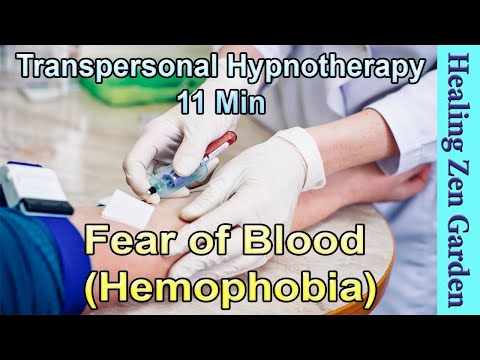
So, let’s chat about something that can totally freak people out: blood. You know, that bright red stuff we all have coursing through our veins? For some folks, just the thought of it makes their heart race. Seriously, it’s a real deal fear called hemophobia.
Now, picture this: you’re at a friend’s party and someone gets a paper cut. Instead of just shrugging it off, one person is ready to faint at the sight of blood. Wild, right? It’s not just about being squeamish; there’s a whole psychological thing going on behind that fear.
You might be thinking it’s just gross, but there’s so much more beneath the surface. Why does blood trigger such intense reactions for some people? So, let’s unravel hemophobia together and dig into its roots! It’s gonna be interesting, trust me!
Overcoming Hemophobia: Effective Strategies and Insights for Managing Blood Fear
Getting scared of blood, or hemophobia, can be really distressing. It’s not just about feeling queasy at the sight of a cut or a blood donation; it’s a full-on panic for some people. You might’ve noticed your heart racing, palms sweating, or feeling dizzy even just thinking about it. So let’s break down what this fear is and how to tackle it.
Understanding Hemophobia: This fear can stem from various things. Sometimes it’s related to past experiences—like maybe you had a traumatic incident involving blood as a kid. That seems pretty common, right? Other times, it can be linked to genetic factors or learned behaviors from parents who might have expressed similar fears. It’s almost like picking up their anxiety without even realizing it!
Recognizing Your Triggers: First off, you need to pinpoint what specifically triggers your reaction. Is it just blood, or does seeing needles play into this too? Maybe certain scenarios—like watching a medical show—set off alarms in your head. Identifying these triggers is super important because then you know what you’re working with.
- Gradual Exposure: One of the best ways to handle hemophobia is through gradual exposure. It’s about slowly and safely exposing yourself to your fear in controlled situations. You can start with pictures of blood and then move on to videos if that feels manageable.
- Breathing Techniques: Whenever you feel that panic rising, try some simple breathing exercises. Slow deep breaths can really help calm the body down when anxiety kicks in.
- Cognitive Behavioral Therapy (CBT): This therapeutic approach works wonders for a lot of folks dealing with fears and phobias. It helps you challenge those negative thoughts that keep feeding the fear cycle.
You might be thinking, “Does this stuff actually work?” Well, remember my friend Sarah? She used to freak out at the sight of her own blood during her period! With gradual exposure and some CBT sessions, she started from looking at pictures to finally being okay with watching doctors on TV giving injections without losing her mind! It wasn’t easy; but bit by bit, she faced her fear head-on.
Saying Goodbye To Shame: Many people feel embarrassed about their fear of blood, but there’s nothing wrong with having phobias—they’re more common than you’d think! So give yourself grace; you’re not alone in this.
The Role Of Support: Having someone who understands your struggle makes all the difference too! Sharing your experiences with friends or family can lighten that heavy load you carry around when facing blood-related situations.
The road towards overcoming hemophobia isn’t always smooth sailing; there will be bumps along the way for sure! But remember that every small step counts towards helping you regain control over this part of your life.
Understanding Hemophobia: Is It Recognized as a Mental Disorder?
Hemophobia, or the intense fear of blood, is more common than you might think. If you’ve ever felt queasy at the sight of a cut knee or fainted at the mere thought of a needle, you know what I’m talking about. It’s not just being squeamish; it can seriously affect your daily life. So, let’s break it down.
First off, hemophobia is actually classified as a type of specific phobia. Specific phobias are an irrational and overwhelming fear of a particular object or situation. In this case, blood triggers anxiety that goes beyond what most people would feel. You might start sweating or shaking at the sight of blood, even if you’re just seeing it on TV.
But here’s where it gets tricky: While some fears can be chalked up to trauma or a bad experience—like getting a nosebleed when you were little—hemophobia can also form from genetics or learned behaviors. Maybe your parents had similar fears, which could have passed down through family dynamics.
Now let’s look at some key points about hemophobia:
- Symptoms: Symptoms can include dizziness, heart palpitations, and even fainting. Seriously! The body goes into overdrive when faced with this fear.
- Triggers: Common triggers are not just seeing blood; even thinking about medical procedures involving blood can spark anxiety.
- Coping mechanisms: Some people avoid situations where they might encounter blood (like hospitals). This avoidance behavior often makes things worse over time.
How do you know if hemophobia is severe enough to be considered a mental disorder? Well, it’s usually labeled as such when it significantly impairs your daily life. For example, if you skip important medical appointments because you’re terrified they’ll involve blood—yeah, that’s a solid indicator that we’re talking about more than simple discomfort.
Treatment often involves exposure therapy or cognitive-behavioral therapy (CBT). With exposure therapy, you’re gradually exposed to the thing that scares you—in controlled settings—to lessen your fear response over time. CBT helps change those negative thought patterns related to the fear.
It’s worth mentioning that hemophobia isn’t often talked about openly. Lots of folks feel embarrassed or alone with their fears. If that resonates with you or someone you care about, remember it’s okay to seek support!
In short: yes, hemophobia is recognized as a mental disorder under specific phobia categories when it disrupts daily functioning. Understanding it is the first step toward addressing those feelings and finding effective ways to cope with them.
Understanding Hemophobia: Unraveling the Fear of Blood and Its Psychological Roots
Hemophobia is a pretty intense, often overwhelming fear of blood. For some folks, just the sight or even thought of blood can trigger serious anxiety or panic attacks. It’s more than just a dislike; it’s like an emotional invasion that can stop you in your tracks. You know, it’s wild how strong our fears can be!
So, what’s going on here? To get a grip on hemophobia, we first need to peek into its psychological roots. One theory suggests that this fear might stem from an evolutionary perspective. Think about it—blood could signal danger, injury, or illness. Back in the day, ancestors with a heightened sense of caution around blood may have had better survival odds. Crazy to think about how our past can shape our emotions today!
But there’s more! Sometimes these fears develop through conditioning. Imagine you were a kid and saw someone get hurt and bleed—it could leave a mark in your brain, linking blood with anxiety and fear. This is called classical conditioning. You might hear about a traumatic event related to blood while growing up, like a scary story or even something you experienced firsthand. Bam! That connection gets strong.
- Cultural Influences: Cultural factors play their part too. Some cultures may create narratives around blood that add layers to this fear.
- Anxious Temperament: If you’re naturally prone to anxiety, you might find yourself more susceptible to developing a specific phobia like hemophobia.
- Genetics: There’s also some evidence suggesting genetic components. If someone in your family has similar fears, you could inherit that tendency.
Anecdote time! I had this friend who fainted at the sight of even a paper cut! It wasn’t because he was wimpy; he just had this intense fear ingrained from childhood after seeing his brother get hurt during their rough playtime adventures. It took him years to recognize that his fear wasn’t just about blood—it was tied up with feelings of vulnerability and helplessness from that moment.
This all connects back to the idea that fears like hemophobia aren’t just random quirks but instead are deeply intertwined with our past experiences and biological makeup. They weave together stories of survival, learned responses, and emotional reactions over time.
If you’re dealing with hemophobia—or know someone who is—it helps to understand these roots because awareness can be the first step towards managing those reactions better. So next time someone talks about their weird phobias (and trust me we all have them!), remember there’s often much more beneath the surface than what meets the eye!
The journey toward understanding such fears isn’t easy—sometimes it takes patience and self-compassion—but knowing why we react as we do starts breaking down those walls.
So, let’s talk about hemophobia—the fear of blood. It sounds a bit niche, right? But it’s more common than you might think. Imagine being in a situation where you see a little cut on your finger, and instead of just feeling a tad squeamish, you feel this overwhelming wave of panic. That’s hemophobia for you.
Now, the roots of this fear can get pretty complicated. A lot of it comes from what we experience as kids. Take this for example: remember when you were little and scraped your knee? What if that moment turned into something more intense with blood everywhere and maybe a doctor who wasn’t very gentle? For some folks, such early experiences can stick around like an unwelcome guest at a party—just keeps hanging on.
But it’s not just about those moments. Sometimes it’s also about our upbringing or even cultural influences. Some families might make a big deal out of blood, associating it with pain or danger, which can lead to growing anxieties as someone matures. I mean, think about how many movies show blood dramatically—those images can wire our brains to react strongly even if we haven’t had that direct experience ourselves.
And then there’s the biological side of things too! Our bodies are wired to react to potential threats. You see blood, and your heart races—your body thinks it’s in danger! This instinct is there for a reason—it’s meant to protect us—but in the case of hemophobia, it can turn into avoidance behaviors that end up being pretty limiting.
Here’s the kicker: people with hemophobia often go out of their way to avoid situations where they might encounter blood. Skipping medical appointments or avoiding certain jobs is super common. And while avoidance might bring short-term relief, in the long run, it doesn’t really help tackle the fear head-on.
It’s interesting to think about how deeply personal this fear can be for people—it stretches beyond just disliking something gross; it’s tied up in emotions from past experiences and conditioned responses. So next time you hear someone say they have a fear of blood, know it’s not just «eww» vibes but something much deeper that blends psychology with personal history.
In the grand scheme of things, unraveling fears like hemophobia showcases just how complex human emotions are—it’s all intertwined in this beautiful mess we call life!