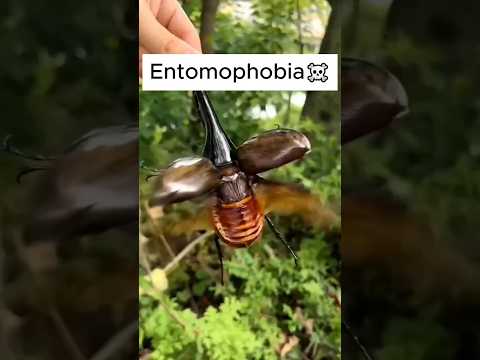
You know that feeling when you spot a spider, and your heart just races? Or how about when a fly buzzes around your head, and you’re suddenly convinced it’s out to get you? Yep, that’s entomophobia for you.
It’s not just a casual dislike. For some people, it’s like a full-blown panic attack. Imagine walking into a room and the first thing you notice is the tiniest bug in the corner. Suddenly, it feels like the world’s ending!
So what gives? Why are so many of us totally freaked out by these little critters? There’s more to it than just squirming when we see them.
Let’s dig into the psychology behind this fear and maybe even find ways for you to chill out when those bugs come crawling. Sound good?
Understanding Entomophobia: Is It Recognized as a Mental Disorder?
Entomophobia is basically the intense fear of insects. If you’re sitting there thinking, “Wait, really?” you’re not alone! Many people experience various degrees of fear related to bugs, but for some, it goes beyond just weirding out at a spider. Let’s break it down.
Recognizing Entomophobia isn’t always straightforward. Mental health professionals classify it as a specific phobia, which falls under the umbrella of anxiety disorders. But that doesn’t mean everyone who is grossed out by insects has entomophobia. It’s more about how that fear affects daily life.
When someone has entomophobia, they might feel extreme anxiety at the mere thought of an insect—whether it’s a fly buzzing around or even just seeing a picture of one. The reaction can be so intense that it leads to panic attacks or avoidance behaviors. Imagine someone skipping out on a picnic because they’re worried about bees!
Symptoms can vary quite a bit but often include:
It’s wild when you think about it! Some people may even go to great lengths to avoid places where they might encounter insects.
Now, regarding diagnosis, mental health professionals look for certain criteria in the Diagnostic and Statistical Manual of Mental Disorders (DSM-5). To be considered entomophobia:
1. Your fear must be excessive compared to the actual danger posed by insects.
2. It must persist for six months or more.
3. It causes significant distress or impairment in areas like social life or work.
But here’s where things can get tricky: many people might feel uncomfortable around bugs but aren’t clinically diagnosed with entomophobia because their responses aren’t overwhelmingly fearful in everyday situations.
Moving on to treatment options, various methods exist for those struggling with this phobia:
In my mind, talking about fears can sometimes feel daunting—like stepping into an arena with your biggest monster! Yet addressing these fears is essential; a little courage goes a long way.
So why does entomophobia matter? Well, acknowledging it can lead to understanding and ultimately help manage that terror hanging over your head—or rather, buzzing by your ear! Remember that while bugs may seem tiny and insignificant to some, for those facing this phobia, they represent real and overwhelming fear.
Understanding the Root Causes of Bug Phobia: Insights and Analysis
So, bug phobia, huh? This fear of insects, also known as entomophobia, is pretty common. You’re not alone if you’ve ever freaked out at the sight of a spider or a cockroach. But what’s going on in our heads that causes this intense reaction? Let’s break it down a bit.
First off, it’s important to understand that phobias often have roots in our past experiences. You might remember a childhood incident where a bee stung you, and from that moment on, you felt a huge wave of fear whenever bees were around. Past trauma, even if it seems small to others, can stick with you and come back in unexpected ways.
The brain plays a huge role too. Our minds are wired to react to potential threats. In evolutionary terms, insects can be seen as dangerous due to their ability to sting or transmit diseases. So when you see a creepy-crawly scurrying across the floor, your brain might just go into overdrive thinking it’s a threat! This reaction is often linked with the amygdala, the part of the brain responsible for processing emotions like fear.
Additionally, we learn from those around us. If your parents or friends jump at the sight of critters, chances are you might pick up on that behavior too. Social learning plays a big role in forming fears and phobias—it’s kind of like catching an emotional cold!
- Genetic factors: Some studies suggest that phobias can run in families. If one of your parents has an insect fear, there could be a genetic link there influencing your own reactions.
- Cultural influences: Different cultures view insects uniquely; some might idolize them while others see them as pests leading to various degrees of fear among people.
- Cognitive distortions: Often people with entomophobia may have unrealistic thoughts about insects being super dangerous or harmful when they’re usually just minding their business!
You know what’s fascinating? Sometimes the very idea of bugs can be scarier than the bugs themselves! Just think about that moment where your heart races when you see something buzz by out of the corner of your eye—it might not even be anything serious! Your imagination takes over during those moments.
If this phobia interferes with daily life—like avoiding certain places because you’re scared you’ll see an ant—you might want to consider looking deeper into what drives those feelings. It could be helpful to explore these fears either on your own or maybe through connecting with others who get it; just remember not every encounter with bugs needs to end in panic!
The bottom line is this: understanding where your fear comes from could help lessen its grip on you over time. Everyone has their triggers; yours just happens to be little creatures buzzing and crawling around us! Recognizing these patterns is like shining a light into dark corners—the more clarity you get about why things scare you, the less power they hold.
Understanding Katsaridaphobia: Is Fear of Cockroaches a Recognized Mental Disorder?
Katsaridaphobia is one of those fears that can really get under your skin, right? It’s the intense fear of cockroaches. For some people, just the sight or even thought of a roach can trigger a panic response. You know, like sweating, heart racing, or that urge to run away. But is this fear an actual mental disorder? Let’s break it down.
First off, let’s acknowledge that phobias fall under anxiety disorders. They’re more than just common fears; they can seriously affect how someone functions daily. Katsaridaphobia isn’t listed as a standalone condition in the major diagnostic manuals like the DSM-5—it’s lumped together with other specific phobias.
So what does that mean? Well, it means if you have katsaridaphobia, you’re likely experiencing symptoms similar to other specific phobias. The thing is, not all intense fears qualify as phobias; they have to interfere with everyday life in significant ways.
- Intense Fear: If spotting a cockroach sends you into a frenzy or causes panic attacks, it’s getting serious.
- Avoidance Behavior: Do you go out of your way to avoid places where roaches might be lurking? That could be telling.
- Physical Symptoms: Sweaty palms and increased heart rate at the mere mention of cockroaches? Classic signs of phobia.
This fear often roots itself in our biology. Cockroaches are associated with dirt and disease—you know? A lot of people find them creepy too! It’s completely natural to feel grossed out. But when that reaction escalates to debilitating fear every time you think about them or see one? Yeah, that’s where it gets tricky.
You might have heard about treatment options for phobias—exposure therapy is one popular route! This involves gradually exposing a person to their fear in a controlled way to lessen their anxiety over time. Imagine starting with pictures of roaches and working your way up to being in the same room as one. It’s not easy but can really change how someone experiences their fear.
Mental health experts generally recognize katsaridaphobia as part of this bigger umbrella called specific phobias rather than its own unique category. But whether it’s officially labeled or not doesn’t make someone’s experience any less valid! Fear is personal; everyone deals with it differently.
If you or anyone you know struggles like this, understanding the emotion behind katsaridaphobia can be really helpful too. Everyone has something they’re scared of—it’s totally human! Recognizing it just opens up pathways for confronting those feelings head-on and maybe even learning a little more about yourself along the way!
Okay, so let’s chat about entomophobia, which is basically just a fancy term for a fear of insects. I mean, who hasn’t felt a little uneasy when a spider scoots across the floor or a bee buzzes by your ear? It’s one of those things that can totally send shivers down your spine, right?
The thing is, fears like these often come from our past—maybe something happened to you as a kid that made you think twice about critters. I remember this one time when I was little; my friend and I were playing outside, and out of nowhere, this huge grasshopper landed on my shoulder. I freaked out and started flailing my arms like a mad person! That moment stuck with me for years. Anyway, our brains tend to build these “danger” associations based on experiences like that.
But here’s where it gets interesting: not everyone has the same reaction. Some people see a bug and calmly escort it outdoors. Others can’t even look at pictures without feeling anxious. This variation largely comes down to how our brains process fear. When you’re faced with something that scares you—like an insect—your body goes into fight-or-flight mode. You know, heart racing and all that fun stuff.
And then there’s the social aspect! If you’re surrounded by friends who also scream at the sight of a fly, it kinda reinforces that fear, right? Your reactions can be contagious in a way. Plus, let’s face it; there’s just something about society’s portrayal of creepy crawlies that doesn’t help at all! Movies and stories often paint bugs as these terrifying monsters lurking in dark corners.
Now confronting this phobia isn’t just about getting rid of the fear—it can actually be kind of an adventure in self-discovery. Like standing up to your fears might feel daunting at first but remember that confrontation can lead to growth. Maybe start small by observing insects from afar or learning more about them (you know they play vital roles in ecosystems!). Each step taken can chip away at those intense emotions.
So next time you spot an ant marching across your counter or get startled by a butterfly fluttering too close for comfort, think of it as an opportunity—a chance to challenge your mind and reshape how you view those tiny beings. It’s wild how facing fears head-on can lead us to understand not just the world around us but also ourselves a little better!