So, let’s talk about something that trips a lot of us up: intimacy anxiety. You know, that tight feeling you get when things start to get real with someone?
It’s like, one moment you’re vibing, and the next you’re freaking out because your heart is saying yes but your brain is like, “Whoa… slow down!” Ever felt that?
It’s a wild ride. You might find yourself pushing away the very people who want to get close. Crazy, right? But it happens all the time—like when you start dating someone awesome and suddenly, poof! You feel like running for the hills.
Let’s unpack this whole intimacy thing together. Because honestly, figuring it out could change how you connect with others for good!
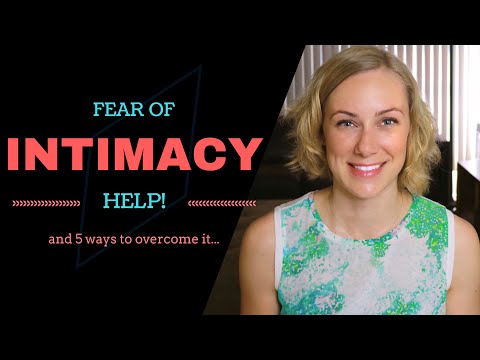
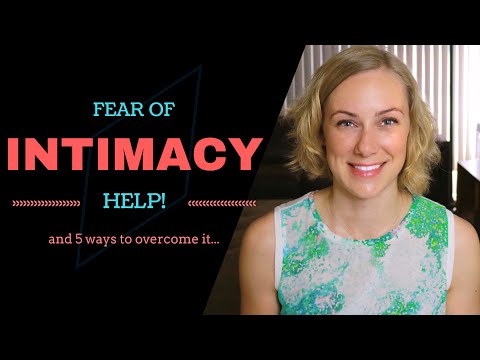
Overcoming Intimacy Anxiety: Practical Strategies for Building Healthy Relationships
Intimacy anxiety is a real thing, and it can be pretty tricky to navigate. You may feel anxious at the thought of getting close to someone, like, really close. Maybe it’s the fear of vulnerability or getting hurt that holds you back. Whatever the reason, you’re not alone in this struggle. Lots of folks deal with similar feelings when it comes to emotional closeness.
First off, recognize your feelings. It’s essential to acknowledge that your anxiety is valid. You might feel like you’re the only one feeling this way, but many people experience similar fears in relationships. Just admitting that can be a huge relief!
Next up, take baby steps. Building intimacy doesn’t mean jumping into the deep end right away. Start small! Share something personal about your day or ask open-ended questions about your partner’s thoughts and feelings. For example, instead of just asking how their day was, you could say something like, “What was the most interesting part of your day?” This creates space for more connection without overwhelming yourself.
- Practice self-reflection. Taking some time to think about why intimacy makes you anxious can help unravel those tight knots in your mind. Maybe previous relationships taught you that being vulnerable equals getting hurt? Understanding where these fears come from can often soften them.
- Communicate openly. If you’re feeling anxious with someone you’re close to, talk about it! Let them know what you’re experiencing and that it’s not about them; it’s something you’re working on within yourself. This honesty can actually bring you closer together.
- If they’re supportive, lean into it! When someone shows understanding and patience towards your anxiety, it’s an invitation to trust more deeply. Allow yourself to soak in their support; that gradual closeness can work wonders for alleviating anxiety over time.
Another important aspect is setting boundaries. Knowing what makes you uncomfortable is key! Communicate these boundaries clearly with your partner so they don’t unintentionally push against those limits while trying to connect with you. For instance, if talking about past relationships makes you uneasy, establish that early on—it’s totally okay!
Pursue personal interests as well! Engaging in activities that excite or ground you can cultivate a sense of self-worth outside of relationships. Whether it’s painting or hiking or playing an instrument—whatever lights up your passion will help build confidence which bleeds into how you relate with others!
Acknowledge progress! Overcoming intimacy anxiety takes time and effort; celebrate even the smallest victories along the way! Maybe last week sharing a funny story felt like a big step for you—acknowledge it! That recognition fuels further growth and reinforces the idea that taking risks can lead to positive outcomes.
The journey to overcoming intimacy anxiety isn’t always smooth sailing; there will probably be bumps in the road along the way. But as long as you’re working on understanding yourself better and practicing those strategies consistently, you’ll find yourself gradually building healthier relationships filled with genuine connections! Remember: it’s okay to take things at your own pace—that’s part of what makes this process so unique for each individual!
Understanding the Signs of Intimacy Avoidance: Key Indicators and Insights
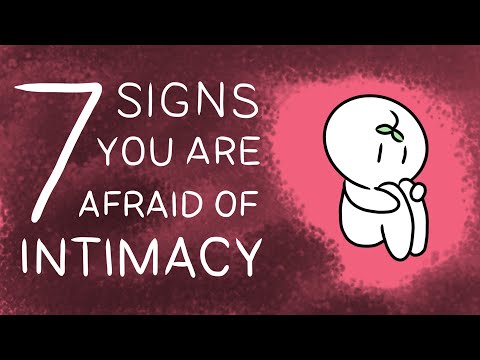
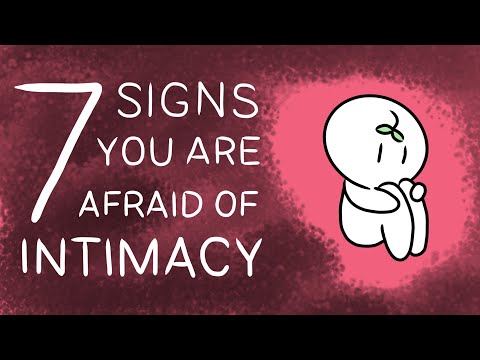
Intimacy avoidance is a pretty common issue, and it can be a real game-changer when it comes to relationships. If you or someone you know struggles with getting close emotionally, it’s important to recognize the signs. So, let’s break down some key indicators of intimacy avoidance and what they might mean.
- Emotional Withdrawal: This often looks like one partner pulling back during deep conversations or trying to change the subject whenever emotions get intense. You might notice that they shut down or seem uncomfortable when feelings are discussed. It’s like watching them slip away into their mental safe space.
- Avoiding Commitment: Those who avoid intimacy might resist committing in a relationship. You may hear them say things like, “I’m not ready for a serious thing” or constantly frame the future in vague terms. They tend to keep things casual, even if there’s potential for more.
- Mismatched Expectations: Sometimes, one partner wants to deepen their connection while the other is just fine keeping things light and breezy. This mismatch can lead to frustration and confusion. You ever felt like you’re on different pages? Yeah, that can happen here too.
- Pushing Away During Conflict: When arguments arise, someone who struggles with intimacy might distance themselves even further instead of working through issues together. They might retreat physically or emotionally—like going on silent treatment mode—which can feel really isolating.
- Difficulties Expressing Feelings: If sharing emotions feels like pulling teeth, that’s another red flag! Intimacy-averse folks often find it hard to articulate their feelings or may appear indifferent when you share yours. It’s almost like there’s an invisible wall up between you.
- Pride in Independence: While being independent is great, those dodging intimacy may take it too far. They could brag about doing everything alone and seem genuinely uncomfortable when receiving help or care from others—because vulnerability feels risky.
- A Tendency Toward Cynicism: Avoidant individuals sometimes develop negative views about love and relationships—believing they’re better off alone or that no one ever truly connects deeply. If sarcasm comes easy instead of warmth, that may be telling.
So why does this happen? Well, **intimacy anxiety** often traces back to past experiences—maybe something in childhood taught them to keep people at arm’s length because closeness led to pain or disappointment. It’s tough stuff!
Remember the story of a friend who had an amazing connection but would always sabotage it just as things got serious? At first glance, it felt confusing because nobody understood why he couldn’t just lean in when love was clearly there at his fingertips! But digging deeper revealed he had faced rejection before; ultimately, he feared experiencing that hurt again.
Recognizing these signs helps not just for understanding but also for encouraging healthier connections moving forward—whether that means talking openly about fears or finally exploring those emotions together in meaningful ways! By identifying these patterns early on, you’ll create better chances for genuine relationships without getting stuck in emotional quicksand!
Understanding Engulfment Anxiety: Causes, Symptoms, and Coping Strategies
Engulfment anxiety is one of those sneaky little things that can really mess with your head when it comes to relationships. Basically, it’s the fear of losing your individuality in the face of emotional closeness. It’s like you want to be close to someone but at the same time, you’re terrified that you’ll lose yourself in the process. A little paradox, right?
Causes of engulfment anxiety can really vary from person to person. For some, it’s about past experiences. Maybe they had a relationship where they felt smothered or controlled, leading them to associate intimacy with a loss of freedom. Others might have grown up in environments where emotional closeness was either overemphasized or completely absent.
Another thing to consider is personality traits. If you’re someone who thrives on independence and personal space, the thought of getting too close to someone can feel threatening. And let’s not forget attachment styles; if you lean towards avoidant attachment, those feelings may come up even stronger when you’re faced with intimacy.
Now let’s talk about symptoms. You might notice some pretty common signs if this anxiety hits:
- Avoidance: You might pull back from relationships or sabotage them when they start getting serious.
- Anxiety: Feelings of panic or dread when thinking about deepening a connection.
- Doubts: Constantly questioning whether a partner is right for you, often before giving it a fair shot.
- Cognitive overload: Finding yourself caught up in overthinking every little thing that happens.
I remember talking to a friend who had this issue. Every time she met someone new and things started heating up emotionally, she’d throw herself into work or find excuses not to hang out. And she’d always end up saying she needed space while secretly wishing for connection—classic case!
If you’re feeling engulfment anxiety creeping in, there are some coping strategies that can help manage those feelings:
- Acknowledge your fears: Just recognizing that this is what you’re dealing with can take away some of its power.
- Create boundaries: Be clear about what makes you comfortable and what doesn’t; this way, both you and your partner know where each other stands.
- Talk it out: Sharing your feelings with trusted friends or even your partner can lighten the load significantly.
- Tackle negative thoughts: Challenge the irrational thoughts that reinforce your fears; ask yourself if they really reflect reality.
You know what’s interesting? Facing these anxieties head-on often leads not just to stronger relationships but also a deeper understanding of yourself! It’s like peeling back layers—it might feel uncomfortable at first, but eventually you’ll find more authenticity underneath all that fear.
The key takeaway here is that while engulfment anxiety can be tough to navigate, it’s totally manageable with self-awareness and communication. Emotional closeness doesn’t have to mean losing yourself; rather, it can enhance who you are by bringing out parts of yourself you’ve kept hidden away for far too long!
Intimacy anxiety can feel like this heavy weight on your chest, right? You might find yourself longing for deep connections, but at the same time, you’re totally freaked out by the idea of actually getting close to someone. It’s like being stuck on a roller coaster that won’t stop—your heart races with excitement and fear all mixed together.
Imagine being at a party chatting with someone who seems really cool. You both vibe well, share a few laughs, and then boom! There’s that moment—the one where you start feeling something real. Your brain starts giving you all these red flags: “What if they don’t like me?” “What if I get hurt?” It’s wild how your mind can go from enjoying the moment to spiraling into worry.
I remember meeting someone I clicked with instantly. We laughed over silly jokes and talked about our dreams late into the night. But when it started feeling serious, I pulled away, convinced it was for the best. I didn’t even realize back then that my fear of intimacy was running the show. It’s almost ironic because the closer we get to someone, the more vulnerable we become. And for some of us, vulnerability feels like standing naked in front of a crowd—totally terrifying!
So where does this anxiety come from? Often, it roots itself in past experiences or fears of rejection—and honestly, who hasn’t been hurt before? When you’ve tasted heartbreak or felt abandoned in some way, it’s no wonder you’d want to shield yourself from potential pain again.
Sometimes this anxiety can manifest as overthinking every little detail in a relationship or even self-sabotage—like suddenly deciding you’d rather binge-watch your favorite show than go meet someone new you actually liked! The irony is that while we crave closeness, our brains often trick us into pushing people away just when they start to mean something.
But here’s the thing: feeling anxious about intimacy doesn’t mean you’re broken or unlovable; it just shows you’re human with a bunch of layers. It takes courage to recognize those feelings instead of running from them. The more we understand what makes us tick—the fears behind our walls—the better chance we have at building genuine connections without all that jittery stuff holding us back.
So if you’ve ever felt that lump in your throat when things start heating up emotionally—or even if you’re just curious about why relationships make your stomach turn—you’re not alone! Acknowledging intimacy anxiety is kind of like shining a light on those dark corners; awareness often brings relief and opens doors to vulnerability and meaningful connection. And who knows? You might find out that embracing emotional closeness comes with incredible rewards too!