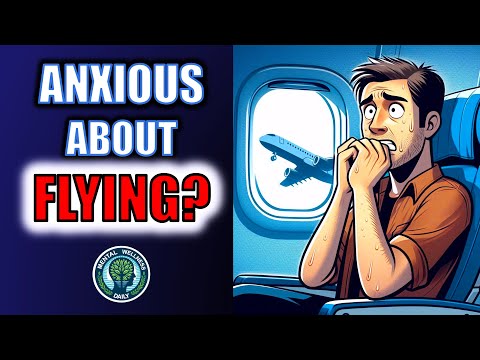
So, flying. It’s one of those things that can make your stomach drop before you even hit the runway, right? Seriously, you’re not alone if just the thought of getting on a plane gives you the heebie-jeebies.
I remember my buddy Sam. He was so freaked out about flying that he’d spend weeks stressing over it. Like, he’d lose sleep and everything! Then came his trip to see his family across the country. That was a real test for him.
But guess what? With a bit of understanding and some strategies, he tackled that fear head-on. And if he can do it, so can you! You just gotta figure out what’s holding you back and how to break through it. So let’s chat about those barriers and how to overcome them!
Overcoming Fear of Flying: Essential Tips for Pilots to Manage Anxiety in the Cockpit
So, let’s chat about something that gets a lot of people’s hearts racing—flying. Yeah, it can be pretty nerve-wracking, especially when you’re up in the cockpit and feel that anxiety creeping in. And if you’re a pilot, managing that fear is super important, not just for you but for everyone on board.
First off, understanding that fear is totally normal can help a lot. Everyone feels anxious about something—whether it’s flying or public speaking. It’s just your brain’s way of protecting you from what it thinks is danger. When you’re in the cockpit, your body may react as if there’s an actual threat. But here’s the thing: most of the time, flying is one of the safest ways to travel!
Knowledge really is power. So learning about how planes work and what exactly happens during flights can ease some of those anxious vibes. For example, just knowing that turbulence is completely normal and not dangerous can really help you chill out when the ride gets bumpy.
- Breathe Deeply: This might sound simple, but taking slow, deep breaths helps calm your nervous system. Inhale through your nose for a count of four, hold for four seconds, then exhale through your mouth. Repeat this a few times and feel the tension melt away.
- Create a Positive Visualization: Picture yourself flying smoothly and confidently. It sounds cheesy but imagining success helps build confidence! Close your eyes and see yourself handling situations like a pro.
- Familiarize Yourself with Your Environment: Spend some time in the cockpit without flying—just sit there! Get accustomed to all dials and instruments; it’ll become less daunting over time.
- Talk About It: Share your feelings with someone you trust—maybe a fellow pilot or even friends who get it! Even chatting about fears can lighten the load.
- Stay Grounded Before Takeoff: Try to focus on things around you before takeoff instead of getting lost in anxious thoughts about flying. Take in sounds or smells; grounding techniques help shift focus away from fear!
You know what helps too? Having a routine. Many pilots find that performing pre-flight checks consistently reduces anxiety because it creates familiarity. You get into this rhythm where everything becomes second nature; it shifts your mindset from fear to focus.
If all else fails and you’re feeling overwhelmed during flight? Just remember: it’s okay to ask for help. Talk to co-pilots or crew members if anxiety hits hard mid-flight—they’re trained to support each other during challenging moments!
You might have heard stories about pilots who faced their fears head-on—not every flight goes as planned and trusting your training is key! By really connecting with what makes you anxious while also applying these tips, you’ll start tackling those fears bit by bit.
The goal isn’t just to overcome fear but build confidence too! With each flight conquered, you’ll find yourself feeling more empowered—and hey, if you’ve got those nerves under control while soaring through the skies? That’s nothing short of amazing!
Overcoming Fear of Flying: Effective Strategies and Legal Considerations for SOAR Programs
Fear of flying is super common, right? Lots of people feel anxious about getting on a plane, and it can really mess with travel plans. But the good news is there are ways to cope with this fear, especially through programs like SOAR. These programs focus on overcoming those emotional hurdles we all face when it comes to flying.
Understand the Source of Your Fear. First things first, knowing where your fear comes from can be a game changer. Is it the claustrophobia? Is it worrying about turbulence? Maybe you’ve heard horror stories or just felt anxious about not being in control. Identifying these triggers helps in addressing them.
Education is Key. A lot of fears stem from misunderstandings. Learning how airplanes work and how safe they are can ease your mind. Did you know that flying is one of the safest modes of transportation? Pilots undergo thorough training and planes are built to withstand extreme conditions.
- Visualize Success. Before your flight, try visualizing yourself boarding the plane calmly and arriving at your destination happily. Picture every step, you know? This mental rehearsal can help make the experience feel more familiar and less daunting.
- Practice Relaxation Techniques. Deep breathing or mindfulness practices can seriously help calm your nerves before and during a flight. Try taking deep breaths—inhale for four seconds, hold for four seconds, then exhale for four seconds. It’s like hitting the reset button on your mind!
- Gradual Exposure. Start small if necessary! A great approach is to begin with short flights or even just visiting an airport to get used to being around airplanes without actually flying. This step-by-step exposure builds confidence over time.
- Connect with Others. Sharing your feelings with friends or family who understand can provide comfort. Consider joining support groups where others have similar experiences—you aren’t alone in this!
- Simplify Legal Considerations. Some people wonder if they need special permissions or legal allowances when joining programs like SOAR. Generally speaking, as long as you’re not a threat to yourself or others, there shouldn’t be major legal barriers stopping you from participating in these programs.
The emotional aspects are huge too! Maybe you remember a time when you took on something that scared you—like giving a speech or meeting new people—and how amazing it felt afterward? That’s what overcoming fear feels like! With practice and patience, you’ll find flights become less stressful over time.
SOAR programs often include cognitive behavioral techniques that help reframe negative thoughts into positive ones. For example, instead of thinking “What if something goes wrong?” try shifting that thought to “I will get there safely.” This kind of mindset shift makes all the difference.
If you’re considering joining one of these programs but feeling skeptical about their effectiveness due to legal concerns, don’t shy away from reaching out for clarity. Most organizations are pretty transparent about what’s involved and can address any questions you have regarding participation.
The bottom line is that while fear of flying might feel overwhelming sometimes, there are effective strategies out there to help manage it! Whether through education, gradual exposure, relaxation techniques, or supportive networks—you’ve got options out there waiting for you!
Effective CBT Worksheets to Overcome Fear of Flying: Strategies for Anxiety Reduction
If you’ve got a fear of flying, you’re definitely not alone. A lot of people feel anxious when it comes to hopping on a plane. The idea of being up in the air can really trigger some intense feelings. That’s where Cognitive Behavioral Therapy (CBT) worksheets can come in handy, helping you tackle those fears step by step.
So what are these effective CBT worksheets about? Essentially, they’re tools that guide you through a structured approach to understanding and reducing your anxiety. You know how sometimes just writing things down can make them feel less overwhelming? Yeah, these worksheets play on that idea.
Here are some key strategies used in CBT for fear of flying:
- Identify Your Thoughts: Start by writing down your specific fears about flying. Like, do you worry about turbulence or getting trapped? Recognizing these thoughts is the first step.
- Challenge Those Thoughts: Once you’ve noted your worries, it’s time to question them. Ask yourself if those thoughts are based on facts or just what-if scenarios. For example, “Is it true that planes are unsafe?” Often, you’ll find that the answer isn’t what your mind initially thinks.
- Create Positive Statements: Replace negative thoughts with positive affirmations. Instead of “I’m going to panic,” try reminding yourself “I have taken flights before and handled them well.” Write these affirmations down and read them regularly!
- Gradual Exposure: This is all about baby steps. If flying feels too daunting right now, start with smaller challenges like visiting an airport or watching videos about flying to slowly desensitize yourself.
- Meditation and Breathing Exercises: Include techniques like deep breathing or mindfulness meditation in your routine. These can help calm your mind when anxiety strikes. Simple exercises like inhaling deeply for a count of four and exhaling slowly for six can make a world of difference.
The emotional journey here is real! For example, imagine someone named Sarah who felt sick at the thought of stepping onto an airplane. She took those worksheets seriously; she listed her fears and started challenging them one by one. By the time she got to her first flight after using CBT strategies, sure she was still anxious but felt more prepared—not totally carefree but definitely less overwhelmed.
The idea behind using CBT worksheets is to take control over your fear rather than letting it control you! Each worksheet guides you gently through processes that gradually shift your mindset about flying from dread to something more manageable.
Sooner than later, maybe even surprising yourself along the way, you’re likely to find that fear morphs into excitement as takeoff approaches! So grab those worksheets and start turning anxiety into confidence with each flight!
Flying can be kind of a nerve-racking experience for many folks. I mean, just think about it: you’re sitting in this giant metal tube, thousands of feet above the ground. It’s no wonder that some people get anxious just thinking about it! Fearful flyers often deal with a whole bunch of psychological barriers that can make air travel feel like climbing Mount Everest.
I remember one time when my friend Sarah was getting set to take her first flight in years. She’d always had this intense fear of flying—like serious knots-in-the-stomach level anxiety. It wasn’t just about being in the air; it was everything from turbulence to the security lines at the airport that made her feel trapped and panicky.
So, here’s the thing: fear is super powerful, right? It can turn an exciting adventure into a scary ordeal pretty quickly. For many people, fears like these stem from a mix of past experiences and our good ol’ imagination running wild. You start picturing all these worst-case scenarios—like what if we hit turbulence? Or what if something goes wrong with the plane? The brain tends to spiral if we’re not careful; our thoughts can sometimes paint a grim picture.
But there are ways to chip away at those fears. For starters, education is key! Understanding how planes work and knowing that they’re built not only for safety but designed for all sorts of conditions can ease some worries. I told Sarah about how pilots are trained for emergencies and how airplanes are checked constantly before flights. Just knowing someone has your back up there can make a difference.
Then there’s mindfulness and relaxation techniques, which might sound all “zen,” but seriously! Taking deep breaths or using visualization to imagine a calm flight can work wonders in easing anxiety levels. When Sarah started practicing some breathing exercises before her trip, she found herself getting less anxious during those pre-flight jitters.
And then there’s gradually exposing yourself to flying in small ways—a little exposure therapy, so to speak! Maybe starting with short flights or even visiting an airport without actually flying could help acclimate someone to the environment. Over time, those feelings of dread might lessen as comfort grows.
Honestly, seeing Sarah board that plane was such a mix of pride and relief. She had truly faced her fears head-on—she’d taken control instead of letting those barriers hold her back. Afterward, she said she felt like she could conquer anything! It’s amazing how overcoming one fear can open up so many doors—not just for flying but in life too.
So yeah, if you ever find yourself dealing with that flurry of worry before a flight, remember it’s totally okay! You’re definitely not alone in this struggle; tons of people face these psychological hurdles when it comes to flying. But there are tricks and tools out there—don’t hesitate to explore them and find what works best for you!