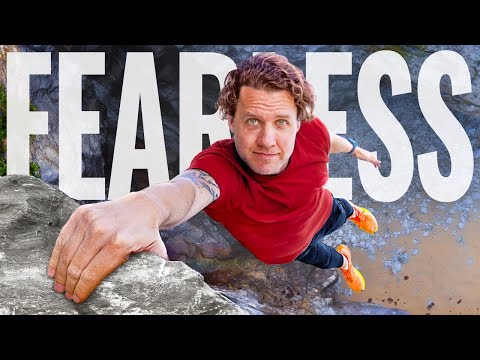
So, let’s chat about something that can really mess with your head—acrophobia. You know, that gut-wrenching fear of heights? Seriously, it’s not just you. A lot of people feel it, and it can totally put a damper on life.
Imagine standing on a balcony with an amazing view. Your friends are laughing, but your heart’s racing like you just ran a marathon. Sound familiar? Yup, that’s acrophobia kicking in.
But here’s the thing: you don’t have to live with it forever. There are ways to tackle that anxiety head-on. It’s all about understanding what makes your heart race and finding little strategies to help you breathe easier.
So grab a comfy seat! We’re diving into some psychological insights and practical tips for overcoming this fear. You got this!
Effective Strategies to Overcome Acrophobia: Practical Tips and Techniques
Acrophobia, or the intense fear of heights, can be really tough to deal with. But don’t worry, there are effective strategies you can try to overcome it! Let’s break it down into some practical tips and techniques.
Understanding Your Fear
First off, recognizing what triggers your acrophobia is essential. Do you feel dizzy when standing on a balcony? Or maybe looking down from a bridge makes your heart race? Take note of these situations so you can face them one step at a time.
Gradual Exposure
Exposure therapy is where the magic happens. You don’t want to jump straight into skydiving if being on a chair feels scary! Start small:
- Look at pictures of high places.
- Watch videos of others experiencing heights.
- Stand on a low stool or step ladder.
Each time you face a height—even just in pictures—you’re training your brain that heights aren’t as scary as they seem.
Breathing Techniques
When panic hits, deep breathing can help calm your nerves. Try this: inhale deeply for four counts, hold for four counts, then exhale for six counts. It’s like giving your body a little chill pill!
Visualization
Imagine yourself in a high place doing something you enjoy—like sipping coffee or chatting with friends. Picture every detail—the view, the sounds around you. This mental exercise helps create positive associations with heights.
Mindfulness and Relaxation
Practicing mindfulness can keep you grounded when anxiety strikes. Focus on your senses—what do you see, hear, feel? This technique pulls you away from fear and back into reality.
Support System
Having someone with you can make all the difference! Share your fears with friends or family who get it. Maybe ask them to accompany you on gradual exposures so it feels less daunting.
Cognitive Behavioral Techniques
Challenge those negative thoughts! When that inner voice says “You’ll fall!” counter it with “I’m safe here.” Writing down these thoughts and reframing them helps build a more positive mindset.
While getting over acrophobia takes time and effort, remember small victories matter! Celebrate each step forward, no matter how tiny they seem. You know what? It’s all about progress over perfection!
With patience and practice using these strategies, you’ll be well on your way to feeling more in control and comfortable when faced with heights.
Exploring Acrophobia: Fascinating Facts and Insights into the Fear of Heights
Acrophobia is a fancy term for the fear of heights. It’s one of the most common specific phobias out there. If you’ve ever looked over a tall ledge and felt your heart race or palms sweat, you get it. For some, this fear is a minor inconvenience, while for others, it can be downright debilitating.
What’s interesting is that this fear can be traced back to our evolutionary past. Think about it: ancestors who were cautious around high places had a better chance of surviving falls, right? So, in a way, having some level of fear around heights could be seen as a natural protective instinct.
But not everyone’s reaction to heights is the same. Some folks might feel nervous but manage to cope when they’re up high. Others might experience intense panic attacks just thinking about going up in an elevator or standing on a balcony. This intensity can lead to avoidance behaviors; for example, missing out on hikes or fancy rooftops during outings with friends.
Here are some key points about acrophobia:
- Physical Symptoms: When faced with heights, many people experience sweating, rapid heartbeat, dizziness, and even nausea.
- Cognitive Patterns: Often, individuals with acrophobia have distorted thoughts about what might happen at great heights—like worrying they’ll fall or that something bad will happen.
- Fear Triggers: The fear doesn’t always have to be linked to actual heights; even images of tall buildings or watching videos can provoke anxiety.
- Treatment Options: Cognitive-behavioral therapy (CBT) is commonly used. It helps by slowly exposing someone to their fear in a controlled environment while providing coping strategies.
You know how sometimes when you’re scared of something and just thinking about it makes you more anxious? That’s what’s happening here too. The anticipation often leads to increased stress and anxiety.
Anecdote time! There was this friend of mine who had acrophobia so bad that he missed out on his best friend’s wedding because it was at a high-rise venue. He felt awful but couldn’t shake off the panic that washed over him when he thought about being up there. After much encouragement from friends and some therapy sessions focused on gradual exposure—the kind where you might start by watching videos of rooftops—he eventually made his way up again. And guess what? He actually found himself enjoying the view!
Looking deeper into acrophobia reveals it’s not just about being scared; it’s often tied to personal experiences or learned behaviors from family members or peers. Say someone grows up in an environment where parents express fear whenever talking about heights—this can create an association that sticks around into adulthood.
Overcoming this phobia isn’t easy—let’s be real—but with the right support and approaches like CBT or gradual exposure techniques (think baby steps), many find a path toward managing their fears better.
In essence, understanding acrophobia involves recognizing its roots in both psychology and biology, along with compassionate support for those who struggle with it every day!
Effective Strategies to Overcome Fear: A Comprehensive Guide
Dealing with fear is something we all face at some point, right? Whether it’s about spiders, public speaking, or heights (that’s acrophobia for you), it can really hold you back. Let’s chat about some **effective strategies** to help overcome that fear.
First off, understanding your fear is key. It’s like shining a flashlight in a dark room. You might realize that what you’re afraid of isn’t as scary as you thought. Take some time to think about what triggers your fear of heights. Maybe it was a past experience, or perhaps just the thought of falling sends your heart racing.
Next up, let’s talk about exposure therapy. This doesn’t mean jumping off a building—thank goodness! Instead, it means gradually exposing yourself to the source of your fear. It could start with looking at pictures of tall buildings. And then maybe watching videos from the top of those buildings? Slowly work your way up to standing on a balcony or a low-height rooftop. The goal here is to make those situations feel less intimidating over time.
Another thing that could really help is practicing mindfulness and relaxation techniques. When you’re faced with something scary, like looking down from a height, your body goes into panic mode—a fight-or-flight response! But if you learn how to calm yourself using breathing exercises or visualization techniques before facing your fear, it can make things so much easier. Picture this: you take deep breaths and imagine being in a safe place instead of focusing on the height itself.
Engage in cognitive restructuring. Sounds fancy but isn’t too complicated. Basically, it’s about changing negative thoughts into more positive ones. If you catch yourself thinking “I’ll fall!” try flipping it around to “I’m safe and I can handle this.” It takes practice but can really shift how you feel.
And don’t forget about support systems. Sharing how you feel with friends or family can lighten the load. Maybe even have someone go with you when trying something new at height; having company makes facing fears less daunting.
Finally, remember that setbacks are normal! Just because one day feels like progress doesn’t mean every day will feel that way too. Acknowledge those feelings without beating yourself up—it’s all part of the journey.
So yeah, overcoming acrophobia—or any kind of fear—takes time and patience. You’re not alone in this; many people deal with similar struggles and find ways through them. So keep going and don’t lose hope!
Acrophobia, the fear of heights, can be pretty paralyzing for folks who deal with it. You know, it’s not just about nerves or feeling a bit anxious; it’s like your brain goes into full-on panic mode when you’re up high. Imagine standing on a balcony and suddenly feeling as if the ground is drifting away beneath you—that’s acrophobia in action.
I remember this one time I went hiking with some friends. We reached this beautiful viewpoint that overlooked the valley below. Seriously, it was stunning! Mountains in the distance, rivers winding through the trees. But when I got close to the edge to take a picture—I froze. My heart raced and my palms were sweaty. The view was incredible, but all I could focus on was how far down it was. It’s like my mind just turned upside down… fun times, right?
So what’s going on in that head of yours when you have acrophobia? There are a couple of things at play here. For starters, our brains have this little trick they play called “fight or flight.” When we’re faced with a perceived threat—like being way too far off the ground—our bodies react as if we’re in danger. Basically, it’s an instinctive survival response kicking in.
But here’s where things get interesting: part of overcoming acrophobia involves retraining your brain to respond differently to those situations. Cognitive-behavioral therapy (CBT) is one way people tackle this fear. With CBT, folks learn to challenge negative thought patterns and gradually face their fears in a controlled way.
You might also find exposure therapy helpful; that’s when you slowly confront what scares you—in small doses at first! So maybe starting with standing on a low staircase could be your first step before working your way up to higher places. It’s all about baby steps.
And then there’s relaxation techniques like deep breathing or visualization; these can calm those racing thoughts when the height takes your breath away—literally sometimes! Imagine being somewhere peaceful whenever you feel that wave of anxiety hit—kind of like pressing pause for a moment.
The thing is, overcoming acrophobia isn’t necessarily about eliminating fear completely; it’s more about managing it and not letting it dictate your life. There are plenty of folks out there who’ve climbed their metaphorical mountains—and real ones too! Just knowing you’re not alone can make a massive difference.
So yeah, while that beautiful viewpoint might still make you feel uneasy at times (even after working on those strategies), remember: every step forward counts!