You ever see a picture of something filled with holes and just feel… off? Like, your skin crawls a bit, right? That’s trypophobia for you.
Some people can’t stand certain images or objects because of this weird fear of holes. It’s not just you!
But what’s behind this strange reaction? Is it just a quirky thing, or is there more to it?
Let’s break down the psychology of trypophobia and figure out what makes those holes so unsettling for some folks.
Exploring the Mental Health Implications of Trypophobia: Associated Disorders and Insights
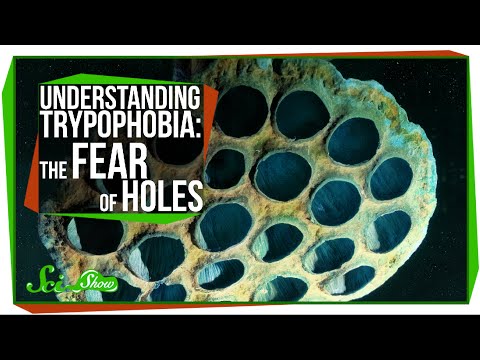
Trypophobia is this interesting phenomenon where people feel intense discomfort or disgust when they see clusters of holes or patterns that resemble them. You might think of things like honeycombs, lotus seed heads, or even certain types of coral. It’s not officially recognized as a mental disorder in the DSM-5, but that doesn’t mean it doesn’t have real effects on people’s mental health.
So, what’s going on here? Well, the anxiety or fear related to trypophobia can trigger various psychological responses. Some folks may experience panic attacks, while others feel an overwhelming urge to look away or even avoid places where they might encounter these patterns. It’s like your brain hits the panic button, and you can’t help but react to that visual stimulus.
But wait, there’s more! This response isn’t just about seeing holes; it can also be strongly linked to underlying conditions like anxiety disorders and obsessive-compulsive disorder (OCD). If you have an anxiety disorder already, trypophobia could amplify your symptoms because your brain is wired for heightened sensitivity.
You know how sometimes when something scares you, it sticks in your mind? Well, with trypophobia, it can be similar. Once you recognize what sets off your reaction, it can become a source of constant unease. That obsession with avoiding those patterns might lead to social withdrawal or avoidance behaviors that could affect daily life.
Another angle is how this might connect with body dysmorphic disorder (BDD). Some people worry excessively about imperfections in their skin or body features—think of holes as imperfections too! The distress from trypophobia could intertwine with BDD if someone starts feeling overly conscious about their own skin texture when they notice clusters.
And let’s not forget about the way trypophobia can put a strain on relationships and social interactions! Say you’re at a gathering and someone’s wearing a shirt with a funky pattern that reminds you of those dreaded holes—it could lead to awkward moments filled with palpable discomfort. You might find yourself trying to avoid conversation just so you don’t have to deal with that visual stimulus.
On a brighter note—even if you’re feeling overwhelmed by trypophobia—understanding it better helps take some power away from it! Talking openly about these feelings some may feel weird sharing could bring relief and connection. It creates space for mutual understanding among friends who want to support each other without judgment.
In essence: Trypophobia highlights how our brains process visuals and emotions differently. It’s all tied up with anxiety and sometimes even deeper psychological issues. As research continues in this area, we may find more insights into why certain things bother us—and how we can make sense of those feelings together in community settings without feeling isolated by our quirks.
Exploring Trypophobia: Is It a Genuine Condition or Just a Myth?
Trypophobia is one of those terms that pops up a lot but doesn’t always seem to have a clear definition. Basically, it refers to the intense feeling of discomfort, anxiety, or even fear when someone sees clusters of small holes or patterns. You know, like a honeycomb or the texture of certain seeds. It might make some people feel uneasy just thinking about it! But is this a real psychological condition or just something that gets tossed around online?
First off, let’s get into the psychological aspect. Some folks report physical reactions like sweating, nausea, or even panic when they come across images that trigger their trypophobia. This suggests there’s more to it than simple dislike. It’s not just «eww» and moving on—there’s an emotional response attached.
- Not officially recognized: For starters, trypophobia isn’t classified as an official mental disorder in any diagnostic manuals like the DSM-5 (the big book of mental disorders). That means there aren’t established criteria for diagnosing it.
- A possible evolutionary response: Some researchers believe that these feelings could be rooted in evolutionary psychology. Small holes may resemble signs of danger—like skin diseases or moldy food—which can trigger an instinctual aversion to keep us safe.
- Cultural influences: The way you react to certain stimuli can also depend on cultural context. In some cultures, images with holes may not provoke any reaction at all!
- Variability in experiences: Not everyone reacts the same way to trypophobic images. Some people might just feel mild discomfort while others can’t even look at them without feeling overwhelmed.
Let me give you an example: imagine scrolling through social media and suddenly stumbling upon a picture of a lotus seed pod. For someone with trypophobia, this image might provoke immediate feelings of dread or anxiety; their heart races and they want to look away. But for others? It’s just a part of nature.
The internet plays a huge role here too! Scary images and videos have become viral sensations over time. This exposure has led more people to identify with the term «trypophobia,» even if their feelings are relatively mild compared to someone who feels paralyzed by fear at the sight of small holes.
The debate continues about whether trypophobia should be taken seriously or be brushed off as another internet trend. But regardless of its status as an official condition, those who experience significant discomfort shouldn’t feel alone; your feelings are valid! And perhaps we should consider how these kinds of perceptions play into our broader understanding of fear and anxiety.
In wrapping up this little exploration into trypophobia, it’s important to recognize how complex human emotions can be. Your brain is wired in unique ways based on your experiences and environment. So while some see clusters of holes as just parts of nature—or maybe even art—others see potential threats lurking within them.
If you’ve found yourself cringing or avoiding certain images because they evoke strong reactions, remember you’re not weird or alone; it’s simply part of being human!
Understanding Trypophobia: Comprehensive Test and Insights on Fear of Patterns
Trypophobia is this interesting, yet pretty uncomfortable, fear of clusters of holes or bumps. Imagine seeing a honeycomb or even a sponge, and feeling this surge of anxiety or disgust wash over you. Sounds kind of strange, right? But it’s actually more common than you might think. Many people report feeling uneasy just at the thought of those patterns. But why does this happen?
The thing is, trypophobia isn’t officially recognized as a mental disorder in some psychological manuals like the DSM-5, but that doesn’t mean it’s not very real for those who experience it. It can really throw off your day if you encounter something that triggers it. And get this: researchers think that the fear might be tied to our survival instincts.
You see, clusters of holes in nature can be connected to dangerous creatures or diseases—think about diseases spreading through infected skin or organisms hiding in crevices. So when you see something like that, your brain goes into protect mode. In a way, it’s your body trying to keep you safe.
So how do we understand this weird reaction? A couple of things stand out:
- Aesthetic discomfort: Some people just find those patterns visually unpleasant.
- Anxiety response: The sight can trigger feelings of anxiety or even panic.
- Conditioned responses: If someone had a scary experience related to holes, they might develop this fear.
You might be wondering how common trypophobia really is. While there’s no precise data on it—since it’s such a unique phobia—studies have indicated that many people show reactions when exposed to trypophobic images. It could be small discomforts like sweating and shivers or bigger reactions like panic attacks.
If you ever feel overwhelmed by these patterns, one approach is understanding your triggers better—that could help! For instance, try to pinpoint what kind of images freak you out the most: are they natural like lotus seed pods one day and man-made like bubble wrap another? Recognizing these patterns can give you more control over your fears.
You aren’t alone if you’re dealing with this stuff! Even though we’re still figuring out all the nuances around trypophobia, having a conversation about it can help demystify what you’re feeling. Plus, talking openly about fears—it’s surprisingly healing!
The takeaway? Trypophobia captures our deep-rooted fears while also highlighting how complex and interesting our brains really are when responding to weird patterns around us!
So, trypophobia. Ever heard of it? It’s not as common as, say, fear of spiders or heights, but for some people, just seeing clusters of holes can trigger a serious reaction—like goosebumps or even panic. It’s kinda wild, right?
Think about it: when you see a honeycomb or a sponge, if that makes your skin crawl instead of feeling all warm and fuzzy inside, you’re not alone. There’s this weird psychological thing going on where certain patterns trigger discomfort or anxiety. This isn’t just about aesthetics; it’s like your brain is wired to react to those shapes in a way that’s pretty intense.
I remember this one time I was browsing through social media and came across a photo of a lotus seed pod. I didn’t think much of it at first until I realized my stomach was churning. Yeah, trypophobia hit me unexpectedly! It’s strange how things like that can catch you off guard.
On the surface level, people think it’s about the holes themselves. But dig deeper—and that’s where things get interesting. Some researchers speculate that it could be an evolutionary response. You know, our ancestors might have developed this aversion as a survival mechanism—like staying away from moldy food or other signs of decay. So when we see something with lots of small holes and irregular patterns? Our brains might say “Whoa! Danger!” even if there’s no real threat.
But here’s the kicker: not everyone experiences trypophobia in the same way. Some folks are totally unfazed by those patterns while others go into full-on freak-out mode. It kind of shows how varied human emotion can be.
And then there’s the internet culture around it—memes popping up everywhere with images that might make you squirm if you’re sensitive to it. While some folks laugh it off like it’s no big deal, for others, it can seriously ruin their day—or even cause physical reactions like sweating or heart racing.
It leaves us thinking: Why do certain things grip us like that? It speaks to a whole range of human experience and psychological wiring we’re still trying to understand fully. So yeah… tryptophobia is definitely more than just «ew, gross.» It’s a peek into our minds’ complex relationship with fear and aesthetics—a weird combo that many haven’t explored yet!