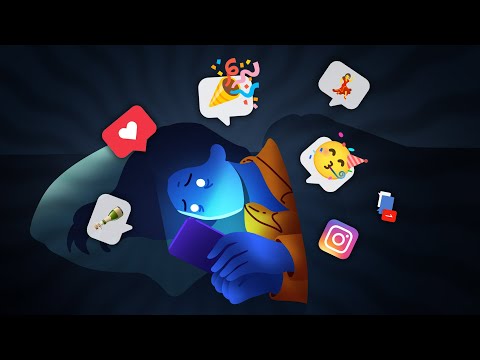
You know that feeling when you see everyone posting about some awesome party or event, and you’re just sitting at home, scrolling? Yeah, that’s FOMO for you.
It’s like this nagging little voice that says, “You’re missing out!” But what’s really going on in your head when this happens?
FOMO isn’t just some trendy term; it taps into deep-seated emotions and social pressures.
It can mess with your mind and make you feel not so great about yourself. Let’s break it down a bit. How does it shape our daily lives? And why is it so hard to shake off?
Stick around, because we’re diving into the psychological stuff behind FOMO.
Understanding the Psychological Factors Behind FOMO: Insights and Implications
FOMO, or the Fear of Missing Out, is that nagging feeling you get when you’re scrolling through social media and see your friends living it up while you’re just… home in your pajamas. It’s totally relatable, right? But there’s a lot more under the surface of FOMO than just jealousy.
So, what are the psychological factors behind it? Well, let’s break it down:
Now let’s chat about implications. FOMO can affect our mental health in some pretty noticeable ways:
That’s not all! There are some coping strategies people use that might help combat FOMO:
Real talk: I remember feeling this way when my friends went on an epic trip without me. I was stuck at home working on what felt like boring projects. Seeing their fun photos made me question everything! But here’s the kicker—I eventually realized that my life was pretty cool too; I just needed to focus on my own goals.
So yeah, while FOMO is a common experience today thanks to our digital landscape, it’s important to understand its roots and how we can tackle those feelings head-on!
Exploring the Origins of Fear of Missing Out: Understanding Its Psychological Roots
Fear of Missing Out, or FOMO, is something that many people experience in today’s fast-paced world. It’s not just a trendy term; it’s rooted deep in our psychology. So, what exactly drives this fear? Well, let’s break it down.
First off, FOMO comes from our basic human need for connection and belonging. You know those moments when your friends are out having a blast on social media and you’re stuck at home? It can feel like everyone else is living their best life while you’re missing out. This sensation isn’t just annoying; it’s fueled by our **evolutionary** makeup. As social creatures, we’ve always depended on groups for survival.
But then there’s the role of social media. It amplifies this feeling big time! You see posts of parties, vacations, or even simple hangouts that can trigger jealousy and anxiety. The constant barrage of highlights from others creates a **comparison trap**. Your brain sees these snapshots and thinks, “Why am I not there?” It’s a slippery slope into feeling inadequate.
- Social Comparison Theory: This theory suggests that we evaluate ourselves based on how we stack up against others.
- Instant Feedback Loop: Likes and comments give immediate validation but also highlight what you may be missing.
- The Scarcity Principle: When things seem exclusive or limited—like an invite to a party—our desire to participate grows stronger.
You might recall a time when you were scrolling through Instagram and saw your friend enjoying an awesome concert without you. For some, it feels like the universe conspired against them! But here’s the kicker: it’s not just about what you’re missing out on; it’s more about your **perception** of missed opportunities.
This perception ties into our mental health as well. People who struggle with anxiety often feel FOMO more intensely. If you’re already anxious about fitting in or being liked, seeing others’ activities can really ramp things up. It’s almost like fuel to a fire! And research shows that higher levels of anxiety correlate with increased FOMO.
You might even notice how **FOMO** can create a cycle of behavior where individuals overcommit to social events or experiences just to avoid feeling left out. Ever said yes to something even though you didn’t want to go? Yup, that’s FOMO kicking in! But in reality, constantly chasing after every opportunity can backfire and leave you feeling burnt out.
Coping with this fear isn’t easy but recognizing its origins helps us understand it better! It boils down to creating boundaries for yourself and embracing the moment rather than worrying about what could have been or what others are doing without you.
The key takeaway here is awareness—if you know why you’re feeling FOMO, it becomes easier to manage those feelings instead of letting them control your choices!
Understanding Mental Illness: What Conditions Lead to Constant Worrying?
Mental illness can really be complicated, right? One area that often gets overlooked is how certain conditions lead to ongoing feelings of worry. And these feelings can sometimes feel like a shadow hanging over you. So, what’s going on here?
To start, let’s talk about anxiety disorders. You might have heard of them, but they’re worth diving into a bit deeper. Anxiety disorders come in many shapes and sizes, including generalized anxiety disorder (GAD), panic disorder, and social anxiety disorder. With GAD, for instance, a person may struggle with excessive worrying about everyday issues—work deadlines, relationships or even health concerns. Imagine lying in bed at night with your mind racing through all the things you didn’t get done today or might not achieve tomorrow. That constant loop of thoughts can be exhausting!
Then there’s FOMO, or the fear of missing out, which fits right into this conversation. It can amplify those anxious feelings when you see friends posting fabulous photos online or hearing about events you’re not attending. You know that feeling when your phone buzzes with a group message and your heart skips because maybe it’s an invite—and then it’s just someone sharing memes? Ugh! It’s easy to feel like you’re left out while everyone else is having fun.
The thing is, this whole situation leads to underlying emotional patterns like insecurity and self-doubt. When anxiety mixes with FOMO, it can create a vicious cycle where you’re always worried about being excluded but also feeling pressure to keep up with everybody else.
Another big player in constant worrying is obsessive-compulsive disorder (OCD). People with OCD often have intrusive thoughts that lead them to perform rituals to relieve their worries. Picture someone who worries incessantly that they left the stove on; they might have to check it multiple times before leaving the house even if they know it’s off already.
And don’t forget depression; it’s often linked with feelings of hopelessness and worry as well. When someone feels depressed, their view on life tends to darken—so worries become magnified tenfold. Like standing under a rain cloud that just won’t go away!
What about post-traumatic stress disorder (PTSD)? This condition arises after experiencing trauma and often involves constant anxiety about potential future dangers based on past experiences. Think of someone who survived a car accident; every time they’re in a vehicle again, their mind races through all sorts of “what-if” scenarios.
So basically, when you’re dealing with mental illness leading to constant worrying — it could stem from these various conditions intertwining and affecting how we perceive situations around us.
And let’s face it: the world we live in doesn’t really help either! With social media always buzzing and everyone showcasing their «perfect» lives online, it’s hard **not** to feel overwhelmed sometimes! You’re not alone if these worries hit you hard—you just gotta take a step back now and then.
In short:
- Anxiety disorders: Excessive worries about daily life.
- FOMO: Fear of missing out amplifying feelings of insecurity.
- OCD: Intrusive thoughts leading to compulsive behavior.
- Depression: Heightened sense of hopelessness affecting worry levels.
- PTSD: Anxiety rooted in past trauma affecting present perceptions.
Understanding these connections helps paint the bigger picture around mental health struggles—no one’s journey looks identical! The comforting part? Recognizing these patterns may help us reframe our understanding and approach towards managing daily stressors better.
FOMO, or “fear of missing out,” is like this sneaky little gremlin that creeps into our minds when we see others having a blast while we’re just… chilling at home, binge-watching shows or scrolling social media. You know that feeling? It’s almost like a low-key anxiety that makes you feel like you’ve got to be in the loop all the time.
I remember a time when my friends decided to hit up this concert. It was supposed to be epic, and as the night went on, my phone was blowing up with their snaps and stories. I stayed home because I had a million things on my plate, but seeing them all lit up and living their best lives? Oof. That gnawing feeling kicked in hard. Like, why didn’t I go? Am I missing out on something awesome? This thought spiraled until I felt bad for not being there.
The psychological side of FOMO ties back to our basic need for connection and belonging. Humans are social creatures—we thrive on relationships and shared experiences. When we see others hanging out without us, it can trigger feelings of exclusion or inadequacy. It’s not just about missing an event; it’s more about feeling disconnected from your tribe.
Plus, with social media constantly showcasing everyone’s highlight reels, it’s easy to compare your average day to someone else’s glamorous night out. And let’s be real: those perfectly filtered photos don’t show the full story. But your brain doesn’t always get that memo! Instead, you start thinking everyone else has their lives together while yours feels kind of blah.
Still, FOMO can push us sometimes—like it might nudge you off the couch and into a spontaneous adventure with friends! But too much of it could lead to burnout or discontentment in daily life since you’re constantly chasing after what everyone else is doing instead of enjoying where you are.
So maybe the next time FOMO hits hard—like when you’re scrolling past those sunset pics from last weekend—it could help to take a step back. Remind yourself that everyone has their ups and downs; it’s totally fine to chill sometimes too! Balancing connection with self-acceptance is key here—you don’t have to chase every moment; some peace in everyday life is golden as well!