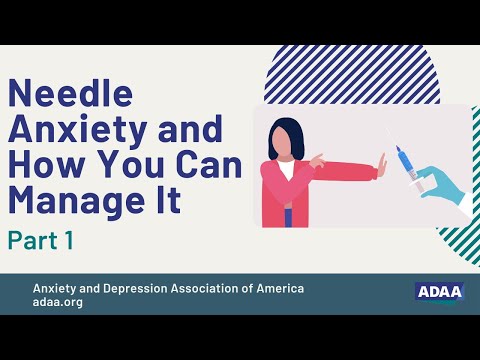
Needle phobia, huh? It’s one of those things that can really mess with your head. You’ve probably seen someone freak out at a doctor’s office or maybe even experienced it yourself.
So, what’s the deal with this fear? It’s not just about hating needles; it dives deep into our minds and emotions.
Think back to that time you had to get a shot. Your heart races, palms sweat—it’s like a scene from a horror movie! Crazy, right?
In this chat, we’re gonna explore why this fear happens and some cool ways to cope with it. Because you know what? You’re not alone in this!
Understanding Trypanophobia: Causes, Symptoms, and Treatment Options
So, let’s talk about trypanophobia, which is basically the fear of needles. If you’ve ever avoided getting a shot or freaked out at the sight of a needle, you might know exactly what I mean. This fear can feel super overwhelming and often goes beyond just being uncomfortable.
First off, what causes this fear? There are a few things that can play a role:
- Past experiences: A scary or painful experience with injections in childhood can stick with you for years.
- Genetics: Sometimes, these fears run in families. If your parents or siblings have similar fears, you might be more likely to as well.
- Learned behavior: If you grew up watching others react negatively to needles, it’s possible to pick up that fear too.
You know how some people just can’t stand the sight of blood? Well, trypanophobia often goes hand in hand with a general fear of medical procedures. It’s not just about the needle itself; it’s also tied to anxiety about what might happen during an injection or blood draw.
The symptoms can vary from person to person but usually include:
- Panic attacks: Heart racing, sweating, and feeling dizzy can kick in when faced with needles.
- Nausea: Some people even feel sick at the mere thought of getting poked!
- Avoidance behavior: You might find yourself skipping important vaccinations or doctor visits because you’re so scared.
If you’re dealing with trypanophobia, coping strategies are available that could help ease the anxiety. Here are some options:
- Cognitive-behavioral therapy (CBT): This type of therapy focuses on changing negative thought patterns and helps you gradually face your fears.
- Exposure therapy: This might involve slowly exposing yourself to images or videos of needles, eventually working your way up to being okay with them.
- Meditation and relaxation techniques: Breathing exercises and mindfulness practices can help calm your nerves before an appointment.
If you think about it, everyone has something they’re afraid of. It’s totally normal! What matters is finding ways to cope and manage that fear so it doesn’t control your life. Think back on how frustrating it was as a kid when they held you down for those shots—definitely not fun times! But facing those fears is part of growing up too. Just remember: you’re not alone in this struggle!
The thing is, if trypanophobia stops you from getting essential health care, it’s definitely worth seeking help—whether that means talking it out with someone or exploring different therapies. There are ways forward that make those trips to the doctor a little less daunting!
Effective Strategies to Overcome Needle Phobia Quickly
Needle phobia, or trypanophobia, is a real struggle for many people. It’s that intense fear of needles that can make even the bravest of us feel like little kids again. You might have experienced a racing heart, sweaty palms, or even an overwhelming urge to flee the room at the sight of a needle. So you want to know how to tackle this fear? Let’s break down some effective strategies.
Understanding Your Fear
Seriously, the first step is figuring out *why* you’re afraid. Lots of folks develop needle phobia due to past traumatic experiences involving needles, like painful injections or seeing someone else react poorly. For others, it’s more about anxiety and control. Understanding this can help you feel more empowered when facing your fear.
Gradual Exposure
This isn’t about jumping into the deep end without a life jacket! Gradual exposure means easing into it. Start by looking at pictures of needles or watching videos where someone calmly gets an injection. You know those old cartoons showing exaggerated reactions? Try finding something more realistic! This can help desensitize your reaction over time without needing to actually face the needle yet.
Practice Relaxation Techniques
Breathing like you’re trying to calm down a hyper dog might help! Deep breathing techniques can be super effective. When you feel that panic rising, focus on your breath—inhale deeply through your nose and exhale slowly through your mouth. It sounds simple but it works wonders in calming that anxious voice in your head.
Cognitive Behavioral Therapy (CBT)
If your fear is really getting in the way of life—like avoiding necessary vaccinations—you might want to consider talking it out with a professional who knows their stuff about CBT. This therapy helps reframe negative thoughts related to the fear and replaces them with healthier thinking patterns.
Mindfulness and Visualization
Imaging yourself in a situation where you face that needle calmly can be helpful too! Try picturing yourself in a clinic: you’re seated comfortably, breathing steadily while getting ready for that shot. Seems cliché? Maybe—but visualizing these scenarios repetitively may lessen anxiety when you’re actually there.
Involve Supportive Friends or Family
You know it helps having someone by your side when you’re anxious about something! Bring along a buddy who understands what you’re going through when you have an appointment involving needles. They can distract you with conversation or just offer some reassuring presence as needed.
Praise Yourself for Small Steps
Don’t forget to give yourself credit! Even minor victories should be celebrated—whether it’s merely looking at pictures or actually taking steps toward facing needles head-on. Acknowledging progress keeps motivation high!
The thing is, overcoming needle phobia isn’t necessarily quick; everyone moves at their own pace! The key is sticking with it and being gentle on yourself during this journey towards conquering that fear. Just remember: you’re not alone in this fight—and lots of folks have managed to overcome their fears successfully!
Effective Exposure Therapy Techniques for Overcoming Needle Phobia
- Understanding Needle Phobia: First off, needle phobia, or tryptophobia, can be a real struggle for many people. It’s not just about disliking needles; it often triggers intense anxiety and panic. This fear can stem from various places—maybe a previous bad experience, like getting a shot that hurt way more than expected. Or it could be tied to seeing someone else react strongly to needles. The brain kind of links the two events and the fear gets amplified over time.
- Gradual Exposure: One effective technique in exposure therapy is gradual exposure. This means taking baby steps towards confronting the fear. Start by looking at pictures of needles. Seems simple, right? But for someone with needle phobia, this can be a big deal. Once you’re comfortable with that, maybe you’ll work your way up to watching videos of injections or visiting a clinic without actually needing to get poked.
- Controlled Breathing: While exposing yourself to your fear, using controlled breathing techniques can help manage anxiety levels. So when you’re staring at that image of a needle, take deep breaths—like 4 counts in through your nose and 6 counts out through your mouth. You’ll feel more grounded and less like you’re about to freak out.
- Cognitive Restructuring: It’s amazing how much our thoughts shape our feelings! Another approach is cognitive restructuring, which involves changing negative thoughts about needles into more positive, rational ones. For instance, instead of thinking “That needle is going to hurt so much,” you could remind yourself “The pain will only last for a second.” A little mental twist can go a long way!
- Practicing Relaxation Techniques: Incorporating methods like progressive muscle relaxation can also be super helpful. It involves tensing and then relaxing different muscle groups throughout your body—this diverts focus away from anxiety and helps calm those jitters down.
- Seeking Support: Whether it’s friends, family or professionals—a support system is crucial too! Sometimes just chatting about your fears makes them feel less daunting. Plus, they might have their share of funny or awkward stories about needles that’ll lighten the mood.
- Visualization Techniques: Picture this: instead of imagining that needle going into your skin as something scary, visualize yourself being calm and collected during the process. You’re sitting in that doctor’s office with confidence! Visualizing success helps solidify a positive outcome in your mind.
- The Role of Professional Help: If these self-help techniques aren’t cutting it for you on their own, seeking help from a therapist who specializes in phobias might be beneficial. They can guide you through these techniques more effectively tailored to what works best for you.
- Patience Is Key!: Lastly, remember—getting over needle phobia isn’t going to happen overnight! Patience with yourself is essential because every small step matters and builds up over time.
So there you have it! Some solid strategies for tackling needle phobia head-on while keeping it manageable and less overwhelming along the way!
Needle phobia, or trypanophobia, can really mess with people. Like, imagine you’re at the doctor’s office, and they say it’s time for a shot or a blood test. Your heart starts racing, your palms go sweaty, and even thinking about it makes you feel queasy. I mean, it’s not just about being scared of needles—it’s so much deeper than that.
So, what causes this intense fear? Well, often it roots back to something in childhood. Maybe there was a painful experience with needles that stuck with someone. Or they might’ve seen someone else freak out during a shot and internalized that panic. Our brains are wired to pick up on emotions around us, which is kind of wild when you think about it.
Let me share an example. I once had a friend who had this phobia. Every time she needed to get her vaccines for school, she’d practically pull her hair out waiting in the waiting room. It wasn’t just fear; it was like an avalanche of anxiety pouring over her every time she thought about needles. The interesting part? Once she found ways to cope—like bringing headphones and listening to music or chatting up the nurse—the process became a bit easier for her.
A lot of people use similar strategies to tackle needle phobia. Deep breathing can help calm those nerves; it’s like pressing pause on your racing thoughts for just a moment. Visualization techniques are also pretty rad—imagine yourself at the beach instead of sitting on that uncomfortable doctor’s chair! And then there are desensitization techniques where someone gradually gets exposed to their fear until it feels less scary over time.
You see, needle phobia isn’t just about the sharp metal; it taps into our fight-or-flight response and all those feelings we associate with pain and discomfort. But there’s hope! With patience and some coping mechanisms, facing those pesky needles can get easier over time without feeling like you’re walking into battle every single time. So if you or someone close to you struggles with this, just know you’re not alone—and there’s definitely light at the end of the tunnel!