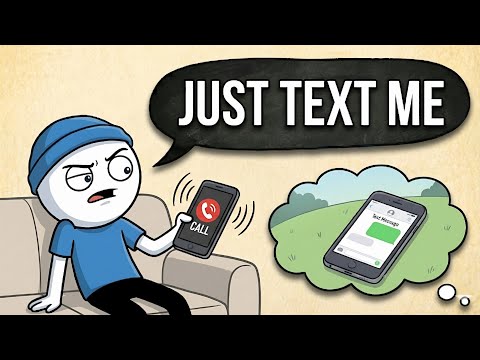
So, let’s talk about phone anxiety. You know? That feeling you get when your phone rings, and you just freeze up?
Maybe it’s the sound of a text buzz that makes your heart race. Or the thought of making a call sends you into full-on panic mode. Seriously, it happens to more people than you think.
I had a buddy who’d rather send a smoke signal than pick up the phone. It’s wild how something so small can bring on all this stress.
But why does this happen? Let’s dive into what gets our brains all tangled up at the thought of talking on the phone. It might be more relatable than you realize!
Effective Strategies to Overcome Phone Anxiety: A Comprehensive Guide
Phone anxiety can feel like an enormous, weighty balloon sitting on your chest. You know the feeling, right? You’ve got a call to make or answer, and suddenly your heart races, palms sweat, and the idea of it makes you wanna hide under a blanket. It’s totally normal to feel this way! Let’s break down some effective strategies to help you manage that anxiety.
1. Understand Your Triggers
Before diving into solutions, it’s important to pinpoint what triggers your phone anxiety. Is it fear of judgment? Worry about saying the wrong thing? Maybe the unpredictability of the conversation freaks you out? Knowing what sets you off can help you prepare for it better.
2. Practice Makes Perfect
Seriously! The more you practice making calls, the less nerve-wracking they become. You could start by calling friends or family who are understanding. Just keep it casual. It’s like throwing yourself into the deep end of a pool; at first, it’s scary, but soon enough you’re swimming around with ease!
3. Script It Out
So here’s a cool trick: write down key points or even a script! If you’re worried about forgetting something important during a call, jotting down notes can be super helpful. It’s not like you’re reading word-for-word; think of it as having a safety net in case your mind goes blank.
4. Take Deep Breaths
Seriously, it sounds cliché but breathing exercises work wonders! Before picking up the phone or answering a call, take a few moments to breathe deeply. Inhale slowly for four counts, hold for four counts, then exhale for four counts. This technique can calm those racing thoughts and bring back some focus.
5. Set Short Goals
Instead of thinking about all the calls you need to make this week (yikes!), focus on one call at a time. Set small goals for yourself each day—like making one call—so it doesn’t feel overwhelming. You’ll build confidence bit by bit.
6. Allow Yourself Grace
Here’s something vital: it’s okay to mess up! Everyone stumbles over words or misses points sometimes during conversations. If that happens to you? Laugh it off or acknowledge it and move on! No biggie!
7. Reflect Afterward
Once you’ve had your conversation, take a moment to reflect on how it went—what went well and what could be improved for next time? Instead of focusing solely on mistakes, give yourself credit for having made the effort in the first place!
Sometimes we forget just how normal these feelings are in communication situations—it doesn’t mean there’s something wrong with us if we get anxious about picking up that little device that connects us with others! By applying these strategies consistently over time, you’ll likely find that phone anxiety starts fading away gradually.
Give these ideas a shot and see how they sit with you! Remember: it’s all about progress—not perfection—and each step is just as important as the next!
Understanding the Origins of Phone Anxiety: Causes and Solutions
Phone anxiety; it’s a thing, and if you’ve ever felt that pit in your stomach before making a call, you’re not alone. It can hit anyone, whether you’re trying to talk to a friend or calling up the dentist. So, what’s going on here? Let’s take a closer look at the origins of this feeling and think of some ways to cope with it.
First off, what causes phone anxiety? One major factor is fear of judgment. You might worry about how you sound or whether the person on the other end will think you’re awkward. This kind of self-consciousness can be super intense! Remember that time when you dialed a number and instantly forgot what you were going to say? Yeah, that’s not unusual!
Another thing that fuels phone anxiety is the unpredictable nature of phone conversations. Unlike chatting face-to-face, talking on the phone lacks visual cues. You can’t see someone’s facial expressions or body language—so it feels like you’re walking on eggshells sometimes.
Also, we live in an age where texting has become the norm. It’s way easier to send a quick message than actually pick up the phone and chat. This shift has made some people feel less confident when it comes to talking live.
Here are some key aspects related to phone anxiety:
- Social Anxiety Disorders: If you’re already predisposed to anxiety in social situations, picking up the phone might feel like a massive hurdle.
- Past Experiences: Maybe you’ve had an embarrassing moment while talking on the phone before? Those memories can stick with us.
- Lack of Practice: The less frequently you use your voice for conversation, the more anxious you’ll be about doing it.
So how do we deal with this pesky issue? Well, one approach is exposure therapy. Sounds fancy but really just means gradually getting comfortable with situation over time. Start by calling someone you’re super close with—like your best friend or family member—and just chat about nothing important. With practice, those nerves can ease up a bit.
Another great idea is preparing some little scripts or notes ahead of time for those calls where you think you’ll get stuck or tongue-tied. Like writing down what you want to say can help calm those anxious thoughts.
Using breathing techniques might also work wonders. Before making that dreaded call, try taking deep breaths—you know: in through your nose and out through your mouth—to help ground yourself.
And hey! Don’t forget that it’s okay to mess up sometimes! Everyone gets nervous now and then; embracing imperfection can take away some pressure too.
In short: Phone anxiety can feel overwhelming but understanding its roots makes it easier to tackle. With practice and patience—maybe even a few laughs along the way—you’ll find yourself dialing numbers without feeling like it’s a huge deal. It’s all about finding what works for you!
Understanding Telephobia: Legal Implications and Rights in Communication Anxiety Cases
Telephobia, or phone anxiety, is a real thing that many people deal with. If you feel that tight knot in your stomach every time your phone rings, or you dread making calls to the point where you avoid them altogether, you’re definitely not alone. It’s more common than you might think. Now let’s take a closer look at what this means for you and how it can tie into broader conversations about communication anxiety and even legal rights.
First off, **what is telephobia?** It’s an intense fear or anxiety about talking on the phone. This can stem from several things: social anxiety, fear of judgment, or just plain discomfort with phone conversations. Maybe you’re the type who prefers texting because it’s just less stressful to communicate without that immediate back-and-forth pressure.
Why does it matter? Well, telephobia isn’t just a personal struggle; it can affect your daily life significantly. Think of a job where communication is key. Phone calls might be integral to your role. Constantly avoiding these situations could lead to missed opportunities or misunderstandings at work.
Now let’s chat about the **legal implications** tied to this anxiety. While there isn’t specific legislation covering telephobia directly, there are broader laws related to mental health that come into play. For instance, if your communication anxiety affects your ability to perform at work or school and leads you to seek accommodations, laws like the Americans with Disabilities Act (ADA) may cover some of your needs.
- Accommodations in Workplaces: Employers are often required by law to provide reasonable accommodations for employees dealing with mental health issues. This can include modified communication methods.
- Educational Settings: Students might be able to request alternatives for projects or presentations that involve extensive phone use.
Imagine someone who struggles with severe phone anxiety applying for jobs. They might ask the employer if they could communicate through email instead of calls during interviews or follow-ups because speaking on the phone makes them too anxious. If an employer denies such requests without exploring options, they might be stepping on thin legal ice.
Then there are issues around **privacy and consent** when it comes to communicating about mental health struggles in professional settings. For example, if you’re open about having telephobia but want confidentiality regarding how it affects your work assignments, that’s perfectly reasonable! It’s essential for companies and educational institutions to respect this privacy while still supporting individuals’ needs.
Also worth mentioning is how societal perceptions play into this whole situation too—you know? People often underestimate the impact of anxiety disorders like telephobia on someone’s life. That can make it harder for those affected by it because they feel misunderstood or invalidated while trying to navigate their world.
So what can be done? Basically speaking, awareness and understanding are key! Reducing stigma surrounding mental health issues requires both individuals recognizing their own feelings and society as a whole becoming more compassionate and knowledgeable about these conditions.
In summary—telephobia isn’t just a quirky trait; it’s a serious challenge affecting many people every day! While laws don’t specifically address telephobia directly yet cover related aspects under mental health protections—that’s good news! There’s room for advocacy and education here so that everyone feels understood when grappling with phone-related anxieties.
You know, phone anxiety is a real thing. It’s like, when you see your phone ringing or a message popping up, your heart races a bit, and suddenly you feel that knot in your stomach. Maybe you’ve experienced this yourself? I mean, even the thought of making a call can send some people into a panic.
So, let’s break it down. There are lots of reasons why someone might dread picking up the phone. For one, it can be a fear of judgment. What if you stumble over your words? Or what if the other person doesn’t understand you? You could even worry about how they’re feeling on the other end. Like, what if they aren’t in the mood to chat or—heaven forbid—they’re busy?
I remember this one time I had to call my professor about an assignment I didn’t quite grasp. My stomach was in knots just thinking about it! I practiced what I’d say over and over again until my brain felt mushy. When I finally made the call? It was fine! But getting there was torture.
There’s also something called “social anxiety,” which plays a big role here too. If you’re already someone who feels uneasy in social situations, then adding the unpredictability of a phone conversation can be overwhelming. You can’t see facial expressions or body language, which makes things tougher. It’s like being thrown into the deep end without knowing how to swim!
Now here’s where psychology steps in. Understanding that this anxiety often stems from very human fears—like rejection or miscommunication—can help put things in perspective. Remembering that others feel this way too might lessen your stress a bit; trust me on this one!
And here’s something interesting: some folks find that texting feels safer because they can think things through without that immediate pressure of voice-to-voice interaction. Texting gives you time to craft your thoughts before hitting “send.” That pause can make all the difference between feeling calm or completely frazzled.
So next time you’re staring at your phone and feeling those anxious butterflies fluttering around in your stomach, just remember—it’s okay to feel that way! You’re not alone in this little battle against phone anxiety; it happens to many people out there.
In short? Just take a deep breath and know it’s all part of being human: one awkward call at a time!