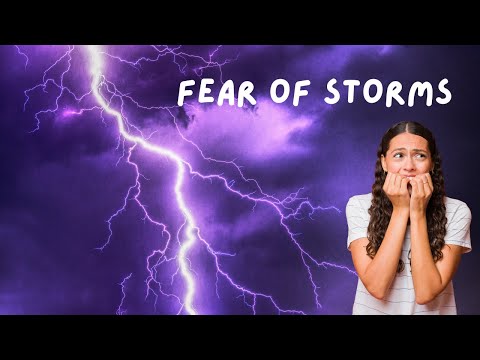
You know that feeling when a storm rolls in? The sky gets dark, the wind picks up, and then—boom! Thunder crashes. For some folks, that sound is terrifying. Ever heard of thunder phobia?
It’s not just overreacting. There’s real psychology behind it. It’s like your brain hits this panic button every time the skies rumble. Crazy, right?
Let’s chat about why some people are more scared of thunder than others. What goes on in their heads? What does it feel like to be gripped by fear?
So, grab a snack, sit back, and let’s dig into the wild world of thunder phobia and how it shakes things up for those who live with it!
Understanding Thunderphobia: Is Fear of Thunder a Trauma Response?
Understanding thunderphobia, or the fear of thunder, can be pretty interesting. You might have heard someone go into a complete panic during a storm, right? It’s not just a simple dislike; it’s an actual phobia. So, let’s break this down a bit.
What is Thunderphobia?
Thunderphobia is part of a bigger picture called “specific phobias.” This means that the fear is focused on one thing—in this case, thunder and lightning. It isn’t about being scared of storms in general; it’s that booming sound that sends some people into a tailspin.
Is It Trauma?
Now, onto the big question: Is this fear a trauma response? Well, sometimes it can be. If you’ve had a bad experience with thunderstorms—maybe you were caught outside during one or experienced property damage—your brain might link the sound of thunder with that negative memory. When you hear it again later on, your body goes into survival mode. Your heart races and your palms sweat even if you’re safe inside.
The Psychological Roots
Fear often has roots in early experiences. For kids, loud noises can feel overwhelming. Imagine being little and hearing that first clap of thunder. It’s shocking! If an adult reacts strongly to it—maybe they freak out or ignore the child—this creates an association in the child’s mind: «Thunder is scary.» Over time, those early lessons stick with us.
Increased Sensitivity
Some people are more sensitive to sounds than others due to their personality or even their upbringing. If you’re someone who tends to worry more or has anxiety about things generally, you might be more predisposed to developing thunderphobia.
Coping Mechanisms
When faced with thunderstorms, those who struggle with this phobia may go through all sorts of emotional gymnastics! They might avoid situations where storms could happen—or even seek shelter deep inside their homes when bad weather rolls in. The fear can disrupt daily life; for example:
- You may postpone plans if there’s rain in the forecast.
- You could find yourself checking weather reports obsessively.
- Panic attacks may happen during storms if coping isn’t managed well.
Conclusion
So, what we see here is that while not every instance of fear related to thunder is traumatic in nature, there are definitely psychological elements at play that can make someone particularly sensitive to it. Some people outgrow these fears as they mature; others may need support from loved ones or professionals to help them navigate through those emotional storms! Remembering that it’s okay to be afraid of something like thunder isn’t weird—it makes us human!
Understanding Thunderstorm Phobia in Adults: Causes, Effects, and Coping Strategies
Thunderstorm phobia, also known as astraphobia, is a pretty common fear that affects many adults. It’s that feeling of dread you get when dark clouds roll in and the wind picks up. You might find yourself anxious, restless, or even panicking when a storm approaches. But what causes this fear? Well, let’s break it down!
First off, one of the main reasons people develop this phobia has to do with childhood experiences. For instance, if you grew up in a household where thunderstorms were associated with danger or panic, it’s likely that these feelings stuck with you. Maybe your parents reacted dramatically to the sound of thunder, which could prime you to perceive storms as threats later in life.
Another factor is the biological response. When lightning flashes and thunder rolls, your body can react as if it’s facing a real danger. Ever notice how your heart races or your palms get sweaty? That’s your body’s fight-or-flight response kicking in! The brain picks up those cues and can sometimes overreact, leading to heightened anxiety.
Now let’s talk about the effects of thunderstorm phobia. Anxiety during storms can manifest in different ways. You might feel physically sick—like nausea or headaches—or emotionally drained after a storm passes. This can disrupt sleep and affect daily activities if fear keeps pulling you back into that anxious space every time there’s a forecast for bad weather.
So what can you do about it? Here are some potential coping strategies:
- Gradual exposure: If possible, try gradually exposing yourself to storm sounds without actual storms happening—like listening to recordings. Start at low volumes and increase them over time.
- Cognitive-behavioral techniques: Challenge those negative thoughts about storms! Remind yourself that they’re just natural phenomena.
- Meditation and deep breathing: These practices can help calm your mind during storms. Focus on breathing deeply and slowly when you start feeling anxious.
- Seek support: Talking about your fear with friends or family can really help cool off the anxiety flames.
You know how some people feel energized by rain? For others, especially if they have thunderstorm phobia, it’s like being trapped in an emotional cyclone! But with understanding and practice, many adults learn to manage their fears effectively.
In summary, understanding the roots and effects of thunderstorm phobia is key for coping with it. Remember: you’re not alone in this struggle! Many face similar fears. With time and effort—and maybe a bit of patience—you can find strategies that work for you to handle those booming skies ahead.
Understanding Astraphobia: What You Need to Know About the Fear of Thunder
Astraphobia, or the fear of thunder and lightning, is something many people experience, but it often goes unnoticed. You might know someone who bolts under the bed during a storm or keeps their ears covered like they can block out the noise. The thing is, this fear isn’t just a quirky reaction; it’s actually a pretty common phenomenon.
So, let’s break down what astraphobia really is. For some, it’s mostly about the sound—thunder can be super loud and startling. Others may find themselves gripped by anxiety just thinking about storms. This could lead to avoiding outdoor plans when bad weather’s on the horizon.
Now, to dig into the psychological roots of astraphobia, we need to consider a few factors.
- Past Experiences: Imagine you’re a kid and your first memory of thunder was during a scary storm that shook your house. That kind of event can stick with you.
- Learned Behavior: If you grew up in an environment where adults freaked out over storms, you might have picked up on that panic. It’s like monkey see, monkey do.
- Genetics: There’s some evidence that anxiety disorders, including phobias, can run in families. So if anxiety is common in your family tree, there might be something genetic happening here.
When we talk about how this affects daily life, things can get tricky for those who suffer from astraphobia. You’ve got the physical responses—like sweating or racing heart—and then there are emotional ones too.
Imagine being at a family gathering when suddenly dark clouds roll in and thunder rumbles like an angry giant. Your heart starts racing because you know what’s coming next: panic mode kicks in! It can make socializing really hard.
In terms of effects, astraphobia isn’t just about feeling scared during storms:
- Avoidance Behaviors: People might avoid going outside or make sure they’re in safe spaces when storms are predicted.
- Anxiety Disorders: Many folks with astraphobia may also struggle with other anxiety disorders—it’s like one fear feeds into another!
- Impact on Daily Life: Seriously intense fears can disrupt normal activities—like missing important events if storms are involved.
Dealing with astraphobia often means addressing those underlying fears head-on. Some people find relief through techniques like mindfulness or talking it out with someone who gets it.
But hey! Even though it feels overwhelming at times, understanding more about this fear can empower those who experience it—from learning what triggers it to finding ways to cope better when the skies turn gray.
So next time thunder rolls through your town, remember: for some folks out there, it’s not just noise; it’s a real struggle they’re working through every time those clouds start gathering!
Thunder phobia, also known as astraphobia, is one of those things that can seem a little odd at first glance. I remember when I was younger, I had a friend who would freak out during thunderstorms. Like, we’d be hanging out, and the moment the sky started rumbling, she’d grab onto the couch or just cover her ears and shut her eyes tight. It was kind of funny to watch but also sad because you could see how scared she really was.
So what’s going on in our heads when it comes to fears like thunder? Well, you can say it all begins with our brains trying to keep us safe. Thunder is loud and unpredictable. This sudden noise can trigger an instinctual response—our fight-or-flight response kicks in. It’s like our brains are saying: “Whoa! Something’s not right! We need to be careful!” For some folks, this reaction can spiral into a full-blown phobia.
Interestingly enough, past experiences play a huge role in how we develop these fears. Maybe that friend of mine got caught outside during a storm once and felt super vulnerable or scared. That kind of memory can get wired into your brain, making storms seem way more threatening than they actually are.
But then there’s also that social aspect. You know how kids often pick up on their parents’ anxieties? If someone grows up in an environment where thunderstorms are met with panic or dread, chances are they’ll adopt those feelings too. You could say it’s like catching a cold—except it’s more about emotions than any virus.
So what are the effects of this fear? For some people, it’s just a temporary annoyance—like having to mute the TV during storms because they can’t handle the noise. But for others, it can really affect their day-to-day life—the fear might stop them from going out when the skies get gray or even cause them to miss fun plans with friends.
It’s fascinating but also kind of heartbreaking to think about all those people who might feel trapped by something that seems totally normal for others. In a way, understanding these psychological roots helps demystify the fear for both those who experience it and their loved ones too!
In short, while thunder phobia may sound peculiar at first glance, its roots run deep in our psychology and experiences—and understanding that gives us insight into so many of our fears!