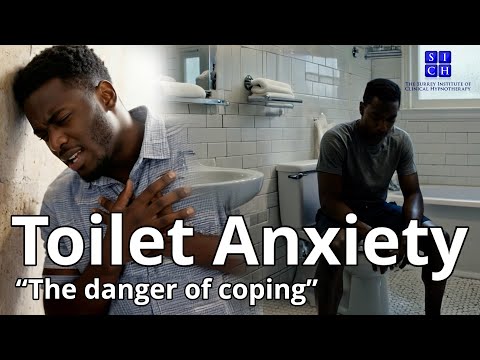
You know that feeling when you desperately need to go, but the thought of using a public restroom makes your stomach churn? Yeah, that’s toilet anxiety for you. It can hit anyone, anytime.
I mean, who hasn’t tried to hold it in just to avoid those grimy stalls? You’re not alone in this!
What’s wild is that this anxiety runs deep. It’s not just about needing to go; there are layers beneath that stress.
Let’s chat about where this all comes from and how it can affect your day-to-day life. Trust me, it’s more common than you think!
Understanding Toilet Anxiety: Causes, Symptoms, and Coping Strategies
Toilet anxiety, often a hidden struggle, is more common than you might think. It’s that uneasy feeling you get when you need to use a public restroom but just can’t seem to bring yourself to go. So let’s break down what this means.
Causes of toilet anxiety can be rooted in several factors. For some people, it may stem from past traumatic experiences related to using bathrooms, like being bullied or feeling embarrassed in school. Others might find themselves anxious due to cleanliness concerns or fear of judgment from others. Sometimes, it’s just about the unfamiliarity of a restroom environment. You know how certain places make you feel at ease while others don’t? That plays a big role here.
When it comes to symptoms, they can range from mild discomfort to serious panic attacks. You might experience things like racing heart, sweating, or even feelings of nausea when you think about using the bathroom in public. And it’s not just physical! There’s also the mental side—like overthinking every little thing: “What if someone walks in?” or “What if there’s no toilet paper?” These thoughts can spiral pretty quickly!
So how do people cope with toilet anxiety? There are some strategies that work for many folks:
- Know your surroundings: Familiarize yourself with restrooms before needing them. If you’re heading to a new place, take a moment to locate the restrooms.
- Practice relaxation techniques: Breathing exercises and mindfulness meditation can really help calm those nerves when you’re feeling anxious.
- Avoid triggers: If coffee or certain foods make your stomach churn and lead to urgent trips, consider cutting back on those before outings.
- Talk about it: Sharing your feelings with friends or family members who understand can lighten the burden significantly.
Let me share an example. My friend Sarah used to avoid going out for meals because she felt so anxious about using restaurant restrooms. After talking it out with a close buddy, she realized she wasn’t alone and learned some relaxation techniques that helped her feel more comfortable in those situations.
Understanding toilet anxiety is all about recognizing it as a real challenge that many face and knowing there are ways through it. It’s important not to ignore these feelings; they matter! So if you’re experiencing this kind of anxiety, remember you’re definitely not on your own and there are steps you can take toward feeling better about those restroom visits!
Understanding Dread Anxiety: Causes, Symptoms, and Coping Strategies
Understanding dread anxiety can feel a bit like trying to untangle a huge knot in your shoelaces. It’s frustrating and a little overwhelming, but once you get into it, it starts to make sense. So let’s break it down, focusing on its roots in situations like toilet anxiety.
What is Dread Anxiety?
Dread anxiety is really that sinking feeling of intense worry or fear about certain situations. It often pops up when you’re facing something you perceive as threatening or uncomfortable, like public restrooms or speaking in front of a crowd. This kind of anxiety doesn’t just sneak up on you; it builds up over time.
Causes
So, why does this happen? Well, there are a few key culprits:
- Past Experiences: If you’ve had a bad experience before—like getting stuck in a crowded restroom—you might develop anxiety about being in that situation again.
- Social Pressure: You might worry about what others think if you’re in a vulnerable situation. I mean, who wants to be judged while doing their business?
- Cognitive Patterns: Sometimes we have these thoughts that spiral out of control. It’s like your brain starts playing the worst-case scenario on repeat.
Think about your friend who panics every time they need to use the bathroom at a friend’s house. That uneasiness could stem from past experiences where using someone else’s restroom felt uncomfortable.
Symptoms
Now let’s talk symptoms because knowing what to look for is half the battle:
- Physical Reactions: Sweating, shaking, or even feeling nauseous when anticipating the feared situation.
- Mental Strain: Racing thoughts can keep you awake at night—dreading tomorrow’s event.
- Avoidance Behavior: You might find yourself avoiding situations altogether; skipping road trips just because you’re worried about bathroom breaks.
A friend of mine once told me how they would rather hold it for hours than use a public restroom. It got so bad that they ended up missing out on fun outings!
Coping Strategies
So how do you tackle dread anxiety? Here are some strategies worth trying:
- Breathe Through It: Deep breathing can be super helpful. When you feel anxious, take slow deep breaths to calm your body down.
- Acknowledge Your Feelings: Don’t ignore the fear; accept that it’s there and allow yourself to feel it without judgment.
- Practice Exposure: Slowly expose yourself to the feared situation—maybe start with visiting clean restrooms when it’s less crowded so you can build confidence over time.
You know, my cousin had serious toilet anxiety before family gatherings. What worked for him was gradually increasing his comfort level by using different restrooms around town until he felt more relaxed.
In the end, understanding dread anxiety isn’t just about recognizing symptoms; it’s also about taking steps toward feeling better and reclaiming those moments of everyday life. It’s all connected: past experiences shape our fears and learning coping strategies helps us navigate through them more smoothly!
Effective Antidepressants for Managing Toilet Anxiety: A Comprehensive Guide
Toilet anxiety, or paruresis, is a form of social anxiety that can make using the restroom feel like a high-stakes situation. Imagine being at a party and feeling the urge to go but panicking about using the bathroom. Sounds familiar? You’re not alone. This issue can really impact daily life.
Now, when it comes to managing this anxiety, antidepressants might help some people. But let’s break down what’s behind these meds and how they can fit into the picture.
First off, toilet anxiety often has deep psychological roots. It can stem from past experiences—like maybe you were teased in school for using a public restroom or had an embarrassing moment that stuck with you. These experiences can trigger fear responses, making you anxious every time you think about going to the bathroom in public.
Here’s where antidepressants come in. They work by adjusting chemicals in your brain—mainly serotonin and norepinephrine—which play roles in mood regulation. By stabilizing these chemicals, antidepressants might reduce feelings of anxiety overall.
Common types of antidepressants include:
- SSRIs (Selective Serotonin Reuptake Inhibitors): Medications like fluoxetine (Prozac) or sertraline (Zoloft) that increase serotonin levels.
- SNRIs (Serotonin-Norepinephrine Reuptake Inhibitors): Like venlafaxine (Effexor), which boosts both serotonin and norepinephrine.
- Bupropion: Often used for depression but also acts differently on brain chemicals; it might not be as effective for anxiety specifically.
But here’s the thing—these meds aren’t magic pills. They take time to kick in; sometimes weeks even! And they don’t work for everyone. You might experience side effects like nausea or sleeplessness, which isn’t ideal when you’re already stressed out.
Also, keep in mind that working with a healthcare provider is crucial before starting any medication. This way you can explore different options tailored just for you.
Now, besides meds, tackling toilet anxiety may also require behavioral approaches such as cognitive-behavioral therapy (CBT). This method helps you identify negative thought patterns and replace them with more positive ones. For example, instead of thinking “I’ll embarrass myself,” you’d shift to “It’s okay if I need to go; everyone does it.”
Ultimately, managing toilet anxiety is often about finding what works personally for you—whether through medications like antidepressants or different therapies that aim at overcoming those fears in practical ways. It’s all about building comfort around something that should be so natural!
So if you’re facing this issue or know someone who is, remember: you’re not alone, and there are paths toward relief!
Toilet anxiety is one of those things you don’t hear people chatting about at parties, but for some, it’s a real challenge. Picture this: you’re at a friend’s place, and suddenly you feel that familiar knot in your stomach. The thought of using their bathroom makes you sweat a little. So, what’s going on in our minds when we face this kind of situation?
At its core, toilet anxiety—also known as paruresis or shy bladder syndrome—can stem from various psychological roots. It might relate to past experiences where using the restroom became a source of embarrassment or stress. Maybe back in school, what seemed like an innocent trip to the school bathroom turned into something more awkward when the line was long and everyone stared as you walked in. That kind of moment can stick with you!
When we feel anxious about using public restrooms or even someone else’s home toilet, it often links back to feelings of vulnerability. Bathrooms are intimate spaces; they expose us in a way that’s pretty uncomfortable for many people. You’re at your most unguarded there! Plus, societal pressure can add to the mix—worried thoughts about how others perceive us can really crank up that anxiety.
So, what happens then? Well, if you’ve ever tried to hold it in while feeling stressed out about the facilities around you, you’ll know it’s not just an annoyance; it can impact your daily life. Seriously! It might affect how often you go out with friends or even land opportunities at work because you’re overly concerned about restroom situations.
I remember talking to a friend who mentioned she’d avoid certain places just because she felt uneasy about the bathrooms there. She missed out on fun events simply because her anxiety was getting the best of her! That feeling of missing out can take a toll on self-esteem and social interactions.
It’s fascinating (and somewhat sad) how something as basic as using the restroom can lead to such deep-seated fears and anxieties. Once this pattern sets in, it can create an ongoing loop—you get anxious so you avoid the situation altogether, which only reinforces that fear over time.
You know what? No matter how uncomfortable these feelings may be, understanding where they come from is key. Taking small steps towards facing those fears—like bringing a buddy along—can help ease that tension over time too. It might take a while but working through those nerves could lead to more freedom and enjoyment in daily life.
So next time you’re feeling anxious over something as routine as using the toilet, remember: you’re not alone! A lot of folks deal with this stuff quietly every day—and it’s totally okay to talk about it if you’re ever feeling overwhelmed by that little room we all have such strong feelings about!