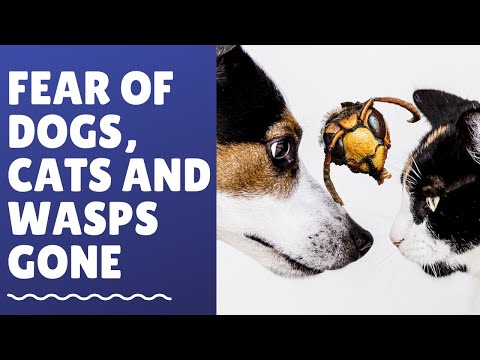
So, let’s talk about wasps. I mean, those little buzzing bugs can really freak people out, right? You know the feeling—heart racing, palms sweating, and a sudden urge to run for cover.
It’s wild how something so small can cause such big reactions. But what’s going on in our heads when we see one of those stingers? There’s actually a whole psychology behind it!
Some folks are totally chill about them, while others just lose it at the sight of a wasp. This fear can mess with your day-to-day life in ways you might not even realize.
Curious about the why and how of all this? Let’s dive into the mind games behind wasp phobia and see how it shapes our behavior!
Understanding Wasp Phobias: Causes, Symptoms, and Coping Strategies
Wasp phobia, or «vespa-phobia,» is something that many people deal with. You might feel a wave of panic just at the thought of those buzzing insects. It’s totally normal, but let’s break down what’s happening here.
The thing is, fear of wasps often stems from previous experiences. Maybe you got stung as a kid and it hurt like crazy. Or you saw someone else get stung and it made an impression on you. This can lead to an anxiety response whenever you encounter them again, even if you’re not directly in danger.
Symptoms of wasp phobia can vary from person to person. Some might sweat or shake when they see a wasp nearby. Others could feel dizzy or have trouble breathing—like their heart is racing and they just want to run away! These reactions aren’t just in your head; they’re your body reacting as if it’s facing a real threat.
- Panic attacks when near wasps.
- Avoidance of outdoor activities where wasps might be present.
- Feeling anxious about upcoming events (like picnics) where wasps could show up.
It’s also worth noting that this phobia can affect how you live your life. For example, imagine wanting to enjoy a sunny day in the park but being too scared to sit down because there might be wasps around. That’s super frustrating!
Coping strategies are out there if this is something you struggle with. One approach could be exposure therapy, which involves gradually getting used to the idea of being around wasps in controlled settings. You won’t dive right into a swarm, but maybe start by looking at pictures or watching videos of them buzzing around.
relaxation techniques. Deep breathing can really help when anxiety kicks in. Imagine slowly inhaling and then exhaling like you’re blowing away those pesky worries!
You could also find support through groups or friends who understand what you’re going through—sharing your fears can make them feel less isolating.
In summary, understanding wasp phobias involves recognizing their roots—like past experiences—and acknowledging how they affect our lives today. You’re definitely not alone in this! And by using coping strategies like exposure therapy and relaxation techniques, it’s possible to manage those fears more effectively over time.
Understanding Spheksophobia: Definition and Insights into the Fear of Wasps
So, let’s talk about spheksophobia, which is basically the fancy term for the fear of wasps. You might not see a ton of people running around shouting about their fear of these buzzing insects, but trust me, it can be a real thing. If you’ve ever felt that icy grip of panic just seeing a wasp fly by, you know what I mean.
This fear often stems from past experiences. Maybe as a kid, you got stung by a wasp and it hurt like crazy. Or perhaps you witnessed someone else getting stung and panicked. Such moments can leave lasting impressions on your brain. The thing is, our minds have this way of connecting certain feelings with specific stimuli—in this case, wasps.
- Physical Response: When someone with spheksophobia sees a wasp, their body might react like they’re facing a real threat. Heart racing, palms sweating—you get the picture.
- Cognitive Patterns: They might start imagining worst-case scenarios. Like getting chased by a swarm or suffering from an allergic reaction.
- Avoidance Behavior: This can lead to avoiding places where they think they might encounter wasps—like picnics or outdoor events.
This avoidance can really mess with someone’s life. If you’re dodging outdoor gatherings just because you’re worried about encountering these insects, that’s limiting your experiences! You could miss out on fun times with friends or even enjoying nature simply because of that fear.
Interestingly enough, the psychological mechanics behind spheksophobia aren’t too different from other phobias like fear of heights or spiders. It’s often rooted in anxiety and overestimating danger while underestimating one’s own ability to cope.
You want to know what else? Social factors play a role too! Sometimes people learn these fears from friends or family members who express their own fears about wasps loudly or dramatically. Children pick up on those vibes fast!
If we think about how common this fear is, it really shows how easy it is for people to get caught up in their anxieties and develop phobias over time—especially when there’s no solid reason for it other than just feeling scared.
To sum it all up—spheksophobia isn’t just “oh no, I don’t like wasps.” It’s about how those little creatures trigger some deep-seated emotions and thoughts that can affect everyday life in significant ways. So next time you spot someone freaking out at the sight of a wiggly-waspy thing, remember—they’re not being irrational; their fear feels very real to them!
Overcoming Wasp Phobia: Legal Insights and Support for Affected Individuals
When it comes to fears, wasp phobia, or **spheksophobia**, is one that can really sting (no pun intended!). It’s not just about disliking something; it can seriously affect your day-to-day life. You might feel overwhelmed at the sight of a wasp, and even just thinking about them can set your heart racing. This response stems from a natural instinct to protect yourself from potential harm, but when that fear goes overboard, it becomes a problem.
The thing is, our brains are wired to form strong reactions to threats. Wasps play into that because they can sting, and for some folks, getting stung is more than just a nuisance—it’s a full-on panic attack waiting to happen. So how do you tackle this? Well, understanding the psychology behind it is key.
First off, cognitive behavioral therapy (or CBT) often helps with overcoming phobias. The idea is to gradually expose yourself to the source of fear in a controlled way until it’s less intimidating. For example:
- You might start by looking at photos of wasps.
- Next up could be watching videos of them buzzing around.
- Finally, you work up to being outside when they’re flying around.
This process lets you slowly build confidence and reduce anxiety without feeling totally overwhelmed.
Also worth mentioning is how your environment plays a role in managing this fear. Support from friends or family can make all the difference. Ever had someone remind you that you’re safe? Or maybe distract you with jokes while you’re outside? Just like having a buddy nearby when facing any kinda fear can ease tension.
Now let’s get into some **legal insights** surrounding this issue (yeah, we’re going there). If someone gets stung by a wasp due to negligence—like an improperly maintained public space without warning signs—there might be grounds for legal action. So yeah, if you’re feeling super anxious about being around wasps because of past experiences or medical issues related to stings (like allergies), knowing your rights is crucial.
Also remember: if phobias impact your daily life significantly—like affecting work or social gatherings—you may want to seek help from mental health professionals who specialize in anxiety disorders and phobias. They get it!
In essence—overcoming wasp phobia isn’t just about jumping straight into the deep end. It’s more like taking baby steps while having support along the way. By understanding where those feelings come from and using exposure techniques together with support systems and knowing your rights, you’re on your way toward living life without letting these little buzzy creatures hold you back!
So, let’s chat about wasp phobia, or what psychologists call “spheksophobia.” It’s one of those fears that can really mess with your day-to-day life. Imagine you’re just chilling outside on a beautiful sunny day. You’ve got your picnic setup, friends are laughing, and then—bam! A wasp zooms by. Suddenly, your heart’s racing and you feel the urge to run for cover. I mean, it’s just a tiny insect, right? But fear can feel anything but tiny.
You know what’s interesting? A lot of people don’t just fear wasps; they freak out over the thought of being stung. Even if they’ve never been stung before! It’s like our brain is wired to react to potential dangers—even if that danger is small and kinda silly on the surface. Think about it: when you see a wasp, your body kicks into fight-or-flight mode. That means adrenaline starts pumping and you might feel jittery or even nauseous. Your mind leans toward worst-case scenarios like getting stung multiple times or having some horrible allergic reaction.
Now let’s get personal for a sec. I remember one summer at a friend’s barbecue when this huge wasp suddenly landed on my drink. OMG! You’d think it was the end of the world; I jumped up so fast that I knocked over my chair! Everyone laughed, but inside I felt super embarrassed and anxious all at once. That whole experience left me thinking: why does something so small have such power over my feelings?
The thing is, people with this phobia often find themselves avoiding outdoor activities altogether or wearing heavy clothing—even in summer—to feel shielded from these little buzzers. It can be pretty isolating when fear dictates where you go or what you do.
And here’s where it gets even trickier: our emotional past plays a big role here too. Maybe someone had a nasty encounter with a wasp as a kid—like being stung while running through tall grass—and that memory sticks like glue in their brain, turning an innocent creature into pure terror.
But not all hope is lost! Understanding this psychology offers some tools for coping with the fear—like gradually exposing yourself to images of wasps before facing them in real life or simply chatting about your anxiety with friends who get it.
In short, while it might seem odd to be afraid of something so tiny and seemingly harmless as a wasp, there’s way more happening underneath that surface-level response. Recognizing how our minds work helps us navigate our fears better—and maybe even enjoy those lovely summer picnics without worrying about who might join us for lunch!