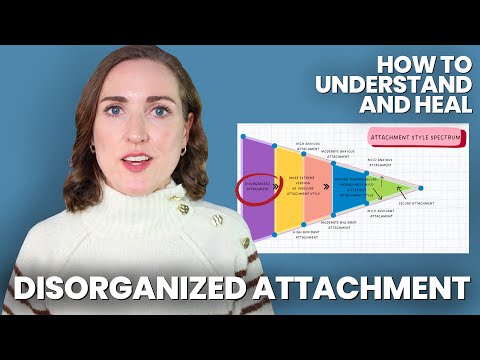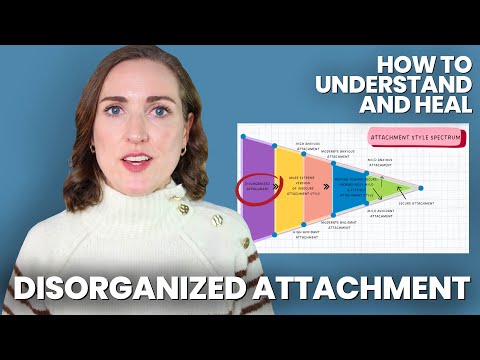
You know that feeling when you really want to connect with someone but something just holds you back? Yeah, that’s a vibe a lot of people know all too well.
Imagine being caught in this crazy loop where you crave intimacy but also freak out at the thought. It’s like riding a rollercoaster blindfolded—thrilling yet terrifying.
That jumble of emotions often relates to something called fearful avoidant or disorganized attachment. Sounds fancy, huh? But it’s just a way to describe how some folks navigate relationships.
So, let’s get into the wild ride of what that means and why it’s such a big deal in our lives! It’s way more relatable than you think!
Strategies for Healing Disorganized Fearful-Avoidant Attachment: A Comprehensive Guide
Alright, let’s talk about fearful-avoidant attachment. It’s a pretty complex style of attachment that can really mess with how you connect with others. People with this style often have a mix of wanting closeness and pushing people away at the same time. It’s like standing on shaky ground; one minute you’re craving connection, and the next you’re scared to get close.
The thing is, this kind of attachment usually stems from past experiences—like trauma or inconsistent care during childhood. You might find yourself feeling anxious about relationships, but also kind of withdrawn. So, how do you work through that? Well, here are some strategies to think about:
- Acknowledge Your Feelings: Seriously, those feelings are real! Recognizing that you have this attachment style is the first step. It’s like shining a light in a dark room—you see things clearly.
- Reflect on Your Past: Take some time to think about your childhood experiences or past relationships. What patterns did you notice? How did they shape your views on love and trust?
- Build Self-Compassion: Be gentle with yourself! Instead of beating yourself up for your feelings or reactions, show yourself some love and patience. You’re figuring things out.
- Practice Mindfulness: This can help calm the chaos in your head. Just sitting quietly and focusing on your breath can create space for clarity in your emotions.
- Open Up Gradually: Try letting people in little by little rather than diving headfirst into relationship waters. Share small things first before revealing deeper stuff.
- Seek Safe Relationships: Surround yourself with individuals who understand you and provide that sense of safety. Like friends who accept you just as you are!
You know what’s interesting? Sometimes just talking openly about these struggles with someone who gets it can make a world of difference. A supportive friend or even a therapist can be an amazing ally as you work through these layers.
If you’re ever feeling overwhelmed by anxiety when trying to connect with others, remember it’s perfectly okay to take breaks! This isn’t something that gets fixed overnight; it takes time and effort to foster healthier connections.
An example might help: imagine being at a party where you really want to chat with someone cool but feel paralyzed by fear. Instead of forcing yourself into big conversations right away, maybe start by observing interactions or chatting one-on-one for just a few minutes first. Feel that relief? Bit by bit, those small steps create more confidence!
The journey toward healing disorganized attachment is all about understanding yourself better and learning how to trust—not just others, but also yourself! Keep going; every baby step counts!
Understanding the Trauma Behind Fearful Avoidant Attachment: Causes and Implications
The whole idea of fearful avoidant attachment can be pretty complex, but let’s break it down. You know, it’s all about understanding how some folks develop this weird mix of wanting closeness but also pushing people away. So, what gives?
Fearful avoidant attachment often roots in early experiences—think childhood. Kids who grow up in chaotic or unsafe environments might find that the people who are supposed to protect them are also the source of fear. Imagine a child who loves their caregiver but also feels terrified because that same person can be unpredictable or harsh. This inconsistency can totally mess with how they see relationships later on.
- Inconsistent Caregiving: If a parent alternates between being loving and then neglectful or abusive, the child learns to expect love and pain hand in hand.
- Lack of Trust: It creates a base of mistrust towards others. They might feel that no one is safe—because their primary caregiver wasn’t reliable.
- Emotional Dysregulation: These kids may struggle to manage their emotions as adults. When someone gets too close, their instinct may be to pull away.
Over time, these patterns just stick around. You might find someone with a fearful avoidant attachment style feeling anxious when things get serious in relationships. They’re super aware of potential rejection or abandonment and may even sabotage things before they get too deep! Seriously, it’s like they can’t help themselves.
The implications? Well, they can be pretty rough. These individuals might push friends and partners away due to fear of intimacy but crave connection like everyone else! It’s this inner turmoil that makes relationships really complicated. Picture a guy named Jake who has fallen for someone amazing but starts freaking out as soon as they get closer—he might pull back out of sheer panic.
- Difficulties in Relationships: They may struggle with commitment because it feels safer to keep others at arm’s length.
- Coping Mechanisms: Sometimes they’ll withdraw or become overly critical as a way to shield themselves from getting hurt.
- Mental Health Risks: There’s often an increased risk for anxiety and depression since that internal conflict can be exhausting!
Getting through this stuff isn’t easy, right? Having awareness helps—like realizing that these fears stem from past experiences instead of being about the current relationship itself is a huge step.
So yeah, it’s important to recognize these patterns—not just for the individuals experiencing them but for those around them too! When you understand where this behavior comes from, you’re better equipped to support yourself or your loved ones without judgment. It’s all about breaking those cycles and learning healthier ways to connect with others while healing from past wounds together!
Understanding Avoidant Attachment: Do They Feel Suffocated in Relationships?
Alright, let’s chat about avoidant attachment. It’s one of those types of relationships that can feel a little confusing, both for the person experiencing it and for their partner. People with this attachment style often value independence a lot. They might feel like they’re losing themselves in a relationship, and it can lead to some mixed signals. You know?
So you might be wondering, do they feel suffocated in relationships? The answer is yes, sometimes they really do! They have this internal conflict going on: they crave closeness but also fear it at the same time. That’s why they often pull away when things get too intimate or intense.
- Fear of Vulnerability: For someone who has an avoidant attachment style, being vulnerable feels like stepping into quicksand. The more they open up, the more scared they get. It’s like walking a tightrope without a safety net!
- Pushing Away: Many times, when an avoidantly attached person feels overwhelmed by emotions or intimacy, they’ll create distance—mentally and physically. You might notice them becoming less responsive or even ghosting for a while.
- Mixed Signals: This leads to confusing situations where their partner might feel rejected or unimportant. One minute everything seems great; then suddenly, they’re emotionally distant.
This brings us to fearful avoidant attachment, which is even more complex. It’s almost like having two sides pulling at you. Here’s how that works:
- Anxiety about Relationships: Individuals with fearful avoidant styles want love but also panic at the thought of being hurt again—that’s from past experiences—so they end up stuck between wanting closeness and needing space.
- Trust Issues: They might have trouble trusting their partner due to fears of being abandoned or betrayed again. This paranoia can cause them to sabotage good connections without even realizing it.
I remember talking to a friend who had this avoidant style. She’d date someone wonderful but would freak out at signs of growing intimacy—like meeting friends or spending weekends together—feeling trapped and wanting space instead! That push-pull was exhausting for her as well as her partner.
The thing is—it’s not all doom and gloom! With awareness and understanding, people with avoidant attachment can work on building healthier connections over time. It’ll take effort to navigate through those fears of suffocation while also allowing intimacy in their lives.
The key takeaway? Recognizing these patterns in yourself or your partner can be huge in fostering communication and helping each other grow without feeling suffocated!
Fearful avoidant disorganized attachment is like that tangled ball of string you try to untie but just end up making it worse. It’s a mix of wanting closeness and feeling scared to get it, which, let me tell you, can create a rollercoaster of emotions.
Imagine someone who craves a hug but flinches at the slightest gesture. It’s almost heartbreaking. You might find yourself in friendships or relationships where you desperately want to connect, yet when someone gets too close, your instinct is to pull away. You’re torn between the desire for love and this deep-seated fear that something bad will happen if you let people in. And often, it feels like you’re stuck in this cycle of wanting and running away.
I remember talking to a friend once who was always anxious about her relationships. She’d share wonderful moments with her partner—happy dates, sweet texts—but then she’d flip out whenever they talked about moving forward or getting serious. She’d backtrack and suddenly become distant. It was like watching someone fight against their own happiness! That push-pull dynamic can be super confusing—not just for them but also for the people around them.
So, what causes this kind of attachment? Generally, it stems from early experiences—think inconsistent parenting or trauma that leaves a child unsure about love and safety. When an adult tries to build connections later on, those early wounds can resurface, causing all kinds of anxiety and mistrust.
Being aware of these patterns is key. It’s like shining a flashlight into those dark corners we usually avoid—it helps illuminate things that need addressing. When someone recognizes their fearful avoidant tendencies, even acknowledging that can be the first step toward breaking free from that cycle.
Of course, figuring this out can take time and effort; it’s not like flipping a switch or anything. Sometimes it means leaning into discomfort, learning how to trust again (and yeah, that’s scary!). Relationships become spaces where healing can happen if both people are willing to give themselves some grace during the process.
Ultimately, it’s about finding ways to navigate through those complex emotions while building connections that feel safe. Because underneath all that fear is a basic human desire: the need for connection! And everyone deserves to feel secure in their relationships—even if getting there feels like climbing Mount Everest at times.