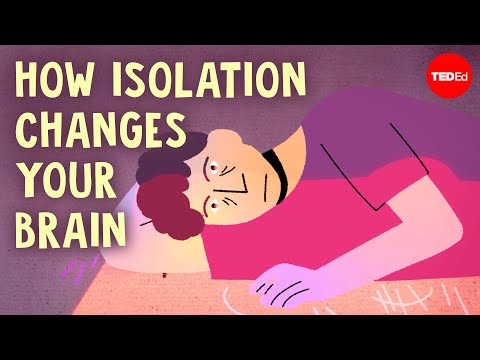
You know that feeling when you’re surrounded by people but still feel kinda lonely? It’s weird, right?
Loneliness and sadness can creep in when you least expect it. You might be at a party, laughing with friends, and then—bam!—a wave of sadness hits you.
It’s like your mind goes to a different place. Like, suddenly you’re thinking about that old friendship or a missed opportunity. And it just stings.
But here’s the thing: being alone doesn’t automatically mean you’re lonely. There’s something deep and even beautiful about solitude, too.
Let’s dig into what loneliness really means and how it connects to sadness. Trust me, this stuff matters!
Insights from Robin Williams on Loneliness: A Reflection on Emotional Well-being
Robin Williams was one of those guys, you know? He made us laugh till we cried, but behind that infectious smile was a whole world of emotions. His struggles with loneliness really resonate when we think about the deeper issues connected to emotional well-being.
Loneliness isn’t just about being alone; it’s like a heavy blanket that wraps around your heart when you’re not feeling connected to others. Williams often reflected on this feeling, sharing how, despite being surrounded by fans and friends, he sometimes felt utterly isolated.
- Understanding Loneliness: It’s easy to assume that famous people have it all figured out, right? But Williams showed us that fame doesn’t shield you from loneliness. He once said, “I think the saddest people always try their hardest to make people happy.” This highlights how those who appear joyful can sometimes be battling deep sadness.
- The Link with Sadness: There’s a close relationship between loneliness and sadness. When you feel disconnected, it can foster negative thoughts and emotions. Williams’s performances were often joyful facades hiding profound sadness.
- Embracing Solitude: There’s a difference between feeling lonely and embracing solitude. Solitude can actually be a space for reflection and personal growth. Williams had moments where he channeled his solitude into creativity, creating masterpieces from his pain.
- The Importance of Connection: Williams’s journey reminds us that genuine connections are essential for our emotional health. Even in his darkest times, he sought out connection through friendships and humor, using laughter as a bridge back to those around him.
Reflecting on Williams’s life invites us to consider our own relationships and emotional states. Mental health is about balance; finding ways to connect meaningfully with others while also appreciating solitude is key for well-being.
If you ever find yourself feeling alone or sad, remember: it’s okay to reach out. Just like Williams did in his own way—through laughter or vulnerability—connecting with others can lighten that heavy blanket of loneliness.
In essence, Robin Williams taught us something powerful: even in our struggles with loneliness and sadness, there’s always room for hope through connection and understanding ourselves better.
Exploring the Four Types of Loneliness: Understanding Emotional, Social, Situational, and Chronic Isolation
Loneliness is a strange feeling, right? It can creep up on you when you least expect it. People often think loneliness is just being alone, but it’s way more complex. There are actually four types of loneliness: emotional, social, situational, and chronic isolation. Each type has its own quirks and ways it affects us.
Emotional Loneliness hits deep. It’s that feeling when you might be surrounded by friends or family but still feel like no one really gets you. Imagine being at a party where everyone seems engaged in their conversations, but inside, you’re just not connecting with anyone. It’s like having a big empty space in your heart. This type of loneliness can lead to feelings of sadness or even depression if it sticks around for too long.
Then there’s Social Loneliness. This one’s about your connections—or lack thereof—with others. You might have acquaintances but not those close friendships that bring joy and support into your life. Think about someone who recently moved to a new city and finds it hard to make new friends; that sense of disconnection can be pretty tough to bear. It’s the longing for those social bonds that truly make life richer.
Now let’s talk about Situational Loneliness. This probably hits when you’re going through a specific period of change, like starting college or moving away from home for the first time. You could be living in a bustling neighborhood yet still feel alone because you’re navigating an unfamiliar environment or experiencing a big life transition. It’s temporary—you adjust and find your groove again—but while you’re in it, it can feel pretty isolating.
Lastly, we have Chronic Isolation. This one’s serious because it’s more than just a phase; it becomes a lifestyle choice or circumstance that stretches over time. Perhaps someone is stuck in their routine without any social interaction—a bit like living on auto-pilot without engaging with others much at all. Over time, this can seriously impact mental health, leading to anxiety or depression since humans are inherently social creatures!
Recognizing these different types helps you understand why you feel lonely sometimes—and that’s the first step towards making changes if needed! So next time you’re feeling down about being alone, think about what kind of loneliness you’re experiencing and remember: it’s totally okay to reach out!
Jim Carrey on Solitude: Insights and Reflections
Jim Carrey, the beloved funnyman we all know and love, has shared some pretty deep thoughts about solitude and how it connects to loneliness and sadness. It’s easy to think of him as just a comic, but he really dives into the emotional landscape that comes with being alone.
You see, Carrey has talked about how solitude can feel both like a blessing and a curse. There are these moments where you just want to be by yourself, you know? But then there are times when that same solitude can turn heavy, like a dark cloud following you around. He’s mentioned feeling the weight of sadness when alone, which is something many people experience.
Often, we confuse feeling lonely with being alone. Being by yourself doesn’t have to mean you’re lonely. In fact, embracing solitude can lead to fantastic self-discovery! It’s like when Jim said he used his quiet moments to reflect on his life and figure out what really matters.
One point Carrey makes is that those quiet times give space for creativity to flourish. For some folks, that’s when they come up with their best ideas or art! Solitude can be this super intimate relationship with your own thoughts and feelings. It allows you to tap into your innermost desires—sometimes even your dreams.
However, it isn’t always sunshine and rainbows. Loneliness can creep in. You start feeling disconnected from others or even from yourself. Carrey reminds us of this duality in human experience: we crave connection but sometimes find ourselves isolated instead.
Here are some key points that resonate with Jim Carrey’s insights:
Remember an experience you had where you were alone but felt vibrant? Or maybe one where the silence felt suffocating? That’s what Carrey hints at—a spectrum of emotions tied to solitude.
In short, Jim Carrey encourages us not just to accept our alone time but embrace it! Acknowledge those feelings—the good ones and the tough ones—and let them guide you toward understanding yourself better. So whether you’re curling up on the couch or taking a long walk by yourself, realize there’s power in those moments of stillness amidst life’s noise!
You know, it’s kind of wild how we often mix up solitude, loneliness, and sadness. They’re related but not quite the same. I mean, if you think about it, being alone doesn’t automatically equal feeling lonely or sad. Sometimes, solitude is like a cozy blanket – comforting and peaceful.
Picture this: remember that time you took a long walk by yourself? The world around you was buzzing with life, but in your little bubble of solitude, it felt like everything just slowed down. You could hear your thoughts clearly. It can be nice to just chill with your own company, right?
But then there’s loneliness. That feeling can hit hard. You might be sitting in a crowded room yet feel like you’re on another planet. It’s that ache in your chest when you crave connection but feel totally disconnected from everyone else. It kinda makes you realize how important our relationships are – and how sometimes we take them for granted.
And sadness? Well, it can creep in too—especially when feelings of loneliness linger longer than we’d like. I’ve had those nights where I stared at the ceiling thinking about everything and nothing at the same time, feeling like I’m carrying the weight of the world on my shoulders.
What happens next is interesting though: embracing solitude instead of running from it can help. Like, when we actually sit with our thoughts and feelings instead of distracting ourselves with our phones or binge-watching shows for hours on end (guilty!). It’s tough at first; confronting those emotions isn’t exactly fun.
But sitting in that space can lead to understanding ourselves better—what we truly enjoy or need from others. And sometimes we find that those moments alone help us appreciate others even more when they’re around.
So yeah, it all circles back to balance. Learning when to embrace solitude to recharge and when to seek out connection is key. Life is all about finding your rhythm between being alone with yourself and sharing moments with others who bring joy into your world. We all experience ups and downs; what matters is how we navigate through them together—or sometimes alone!