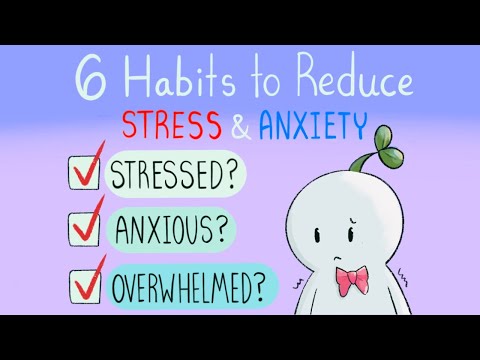
You know that feeling when your to-do list looks like a never-ending novel? Yeah, I’ve been there too. Work can be, well, a lot sometimes. Stress and overwhelm creep in, and suddenly you’re just trying to keep your head above water.
But here’s the thing: you’re not alone in this. Seriously! Lots of folks are juggling deadlines, meetings, and a million emails. It can feel like a circus act without any clown makeup!
So how do we handle all that pressure without losing our minds? That’s what we need to chat about. It’s all about mindset—shifting how we think about the chaos around us. Let’s figure it out together!
5 Effective Strategies for Reducing Workplace Stress and Enhancing Employee Well-Being
Workplace stress can be a real drag, you know? It sneaks up on you and before you know it, you’re feeling overwhelmed. Luckily, there are some effective strategies to help you chill out and boost your well-being at work. Let’s break this down.
1. Prioritize Time Management
You might not realize it, but poor time management can cause a lot of stress. Imagine this: you have a pile of tasks stacked up like pancakes, and each one feels heavier than the last. To tackle this, start by setting clear priorities. Maybe make a to-do list or use digital tools to organize your tasks. I once knew someone who color-coded their planner—one color for urgent tasks, another for long-term projects. You follow me? It really helped them focus.
2. Foster Open Communication
Feeling comfortable to speak up at work is huge in reducing stress. If something’s bugging you, like a heavy workload or unclear expectations, talk about it! Encourage your team to share concerns openly during meetings or casual chats. Just think how refreshing it’d be if your boss was approachable! A friend of mine works in an environment where they have regular check-ins specifically for feedback—talk about a game changer!
3. Create a Relaxing Workspace
Believe it or not, your workspace plays a big role in how stressed out you feel! A cluttered desk can lead to chaotic thoughts—trust me on this one! Think about adding some plants or photos that make you smile. I’ve seen offices fully decked out with comfy seating areas where people could take breaks or even just hang out for a moment before diving back into work.
4. Encourage Regular Breaks
We all think we can power through the day without breaks—but that’s not always wise! Taking short breaks helps refresh your mind and boosts productivity (really!). So maybe set an alarm every hour as a reminder? During those little pauses, stand up, stretch, grab some water; anything that lets your brain recharge. One time, I joined a coworker for “walk breaks,” just strolling around the building when we felt stuck—it worked wonders!
5. Promote Work-Life Balance
This one’s pretty vital: we need time off! Make sure you’re not bogged down with work emails after hours or during weekends if possible. Companies can play their part by respecting boundaries—like implementing «no email weekends» policy or flexible hours when feasible. A former colleague used to remind everyone in our team when they’d plan vacations—it was kind of cool because it encouraged others to take time off too.
So there you have it: these strategies aren’t just fluff; they’re practical ways to help reduce workplace stress and enhance well-being! Implement even a couple of these ideas and see how much lighter life at work feels!
Effective Strategies to Alleviate Workplace Stress: 10 Proven Techniques
Workplace stress can be a real drag, right? It comes creeping up when you least expect it—tight deadlines, endless emails, or even that one coworker who just won’t stop chatting. So let’s talk about some effective strategies that might help ease the pressure a bit.
- Identify Stressors: First things first, you gotta figure out what’s bugging you. Write down specific situations that trigger stress. Is it a heavy workload? Or maybe unclear expectations? Knowing what stresses you out is like shining a light in a dark room; you can see where to focus your energy.
- Take Breaks: Seriously, don’t underestimate the power of stepping away for a moment. Just a quick five-minute walk or sipping some water in peace can help clear your head. Getting up from your desk breaks the monotony and gives your brain a chance to reset.
- Prioritize Tasks: Look at your to-do list and assess what needs your attention now versus later. Try making lists with priorities—like urgent, important, and less critical tasks. Tackling one thing at a time makes feeling overwhelmed feel less intense.
- Breathe Deeply: Sounds simple but deep breathing can do wonders for stress relief. Take three deep breaths in through your nose and out through your mouth when you’re feeling tense. It’s all about calming that nervous system down!
- Create Boundaries: Set limits on how much you’re willing to take on outside of work hours! Let coworkers know when you’re available and when you’re not. It’s okay to unplug every once in awhile.
- Practice Mindfulness: Being present can seriously reduce anxiety about future tasks or past mistakes. Try incorporating short mindfulness exercises into your day—just focus on what’s happening right now without judgment.
- Connect with Colleagues: You’re not alone in this! Chatting with coworkers can provide support and validation for what you’re going through. Sometimes just knowing others feel similarly helps lighten the load.
- Stay Organized: Cluttered workspace equals cluttered mind! Taking time to organize materials and digital files doesn’t just save time; it creates an environment that feels less chaotic.
- Pursue Hobbies Outside Work: Engaging in activities you love outside of work is essential for reducing stress! Whether it’s painting, playing sports, or reading—these hobbies rejuvenate you so you approach work with fresh energy!
- Speak Up If Overwhelmed: If things are piling up too high, talk to someone—whether it’s your manager or HR department—about adjusting workloads or seeking additional support.
You might not be able to eliminate all workplace stress completely, but trying these strategies could definitely make things more manageable. After all, you’re there to do good work—and taking care of yourself along the way is key!
Mastering Workplace Interviews: Effective Strategies for Handling Stressful Situations
Feeling stressed about workplace interviews? You’re not alone. A lot of folks get jittery before a big interview. The pressure to perform well can feel overwhelming, but there are effective strategies to help you manage that stress.
First off, understanding what makes you anxious is key. For example, maybe it’s the fear of being judged or not knowing how to answer questions. Recognizing these thoughts is important because it allows you to tackle them head-on. Awareness is half the battle!
Then there’s preparation. Seriously, nothing beats being ready! Researching the company and understanding their values can make you feel more confident. When you know what they’re about, answering questions becomes way easier. Plus, you’ll be able to ask insightful questions back, showing that you’re genuinely interested.
Now, let’s talk about practice. You might think rehearsing answers sounds boring, but trust me—it works wonders! Try doing mock interviews with a friend or even in front of a mirror. This helps build your comfort level and gives you a chance to refine your answers.
And then there are those pesky nerves that creep in right before the interview starts. Take a moment for yourself. Deep breathing can really help calm your mind and slow down your racing heart. Inhale deeply for 4 counts… then hold for 4… and exhale for another 4 counts. It’s like giving yourself a mini reset.
Another trick? Visualize success! Before stepping into that interview room, close your eyes for just a minute and picture yourself nailing it—answering questions with confidence and leaving a great impression. This kind of positive thinking can seriously shift your mindset from dread to excitement.
Oh! And let’s not forget body language! It matters more than you might think. Sitting up straight and maintaining eye contact conveys confidence—even if you don’t feel it inside at the moment. Smiling can also help release some of that tension and boost your mood.
Lastly, keep in mind: this is just one interview among many in your career journey! If it doesn’t go as planned, it’s not the end of the world; it’s merely a stepping stone towards something better.
In summary: managing stress during workplace interviews involves understanding your anxiety triggers, being well-prepared through research and practice, using calming techniques like deep breathing & visualization, mastering body language, and adopting a broader perspective on career opportunities.
Stress at work can feel like that annoying coworker who just won’t take the hint to leave you alone, right? You know, those days when your to-do list looks like a novel and the coffee just doesn’t cut it anymore? Yeah, we’ve all been there.
So, managing stress is super crucial, but it’s not always straightforward. I remember a time when I was juggling several projects at once. It felt like I was stuck in a game where the levels kept getting harder. The pressure mounted—deadlines here, meetings there—until one day, I hit a wall. It’s kinda crazy how quickly overwhelm can sneak up on you. Like one minute you’re coasting along and the next, you’re two seconds away from a meltdown over an email.
Here’s the thing: cultivating a resilient mindset helps. It’s like having your very own mental armor against stressors. You’ve got to remind yourself that it’s okay to take breaks. Seriously! Sometimes stepping away from your desk for just five minutes can help clarify your thoughts and reset your mood.
Another key part of managing that workplace overwhelm is prioritization. Not everything is as urgent as it seems! Maybe you’ve got ten things on your list but only three are really pressing today. Learning to pick what’s important helps lighten that load significantly.
And let’s not forget about communication! Sharing your feelings with colleagues or a boss can really ease some of that pressure. Often they might be feeling similar vibes or even have some helpful strategies up their sleeves.
At the end of the day, it’s all about balance and recognizing when things are getting too much for you personally. It’s totally human to feel overwhelmed sometimes—it doesn’t make you weak; it makes you real! Just remember, you’re in charge of how you respond to those stressful moments at work…and taking control can definitely turn things around for you!