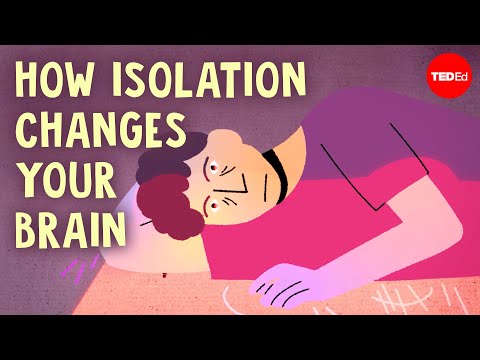
You ever feel like you’re surrounded by people but still, like, utterly alone? It’s wild how that happens. Loneliness isn’t just being by yourself. It’s this heavy feeling that can sneak up on anyone.
You know, even in a crowd, you might feel isolated. That mix of sadness and disconnect? It gets to you. What’s up with that?
Let’s chat about what goes on in our heads when we experience profound loneliness. It’s more than just a bummer; it digs deep into our emotions and thoughts. Seriously, understanding this stuff can really open your eyes to why we feel the way we do.
So grab a cozy drink or something—let’s dig in!
Effective Strategies for Overcoming Extreme Loneliness: A Comprehensive Guide
Extreme loneliness can feel like this heavy cloud hanging over you. You know, the kind that makes everything seem dull and gray. It’s really common, especially in a world where we’re more connected than ever but still somehow feel totally alone at times. So, what can you do about it? Here are some effective strategies to tackle that loneliness head-on.
1. Connect with Others
- Reach out to friends or family. It might be a simple text or a phone call, but just hearing someone’s voice can lighten your mood.
- Join social groups or clubs related to your interests. Whether it’s art, sports, or book clubs—being around like-minded people can help you feel more connected.
You know that feeling when you’re chatting with someone and suddenly realize how much better your day feels? That’s the magic of connection! Maybe last week you called up an old friend just to say hey. That little chat could remind you how important social bonds are.
2. Volunteer Your Time
- Helping others can seriously boost your own mood and self-esteem. It creates this awesome sense of purpose!
- Find local charities or community centers looking for volunteers. You’ll meet new people and contribute to something bigger than yourself.
I remember when I volunteered at a local animal shelter, and even though I was feeling pretty low before that, being around those wagging tails made me realize how fulfilling it is to give back. Plus, there was always another volunteer who’d share some laughs while cleaning up after the pups!
3. Engage in Hobbies
- Dive into activities that excite you—like painting, gardening, or cooking! They not only keep your mind busy but also bring joy.
- If you’re unsure where to start, consider taking an online class in something you’ve always wanted to learn.
You might have tried picking up painting as a hobby one lonely afternoon; those colorful strokes on canvas transformed my mood completely! It turns out spending time doing what you love is pretty therapeutic.
4. Practice Self-Care
- This means taking care of both your body and mind. Get enough sleep, eat well, and exercise regularly—those endorphins work wonders!
- Meditation or mindfulness activities can help calm racing thoughts and reduce feelings of isolation.
5. Seek Professional Help if Needed
- If loneliness is affecting your daily life significantly, reaching out for professional support can be beneficial.
- Counselors or therapists can provide guidance tailored specifically for you and help develop coping strategies.
You don’t have to go through this alone! Talking things through with someone who gets it might shine light on areas where you’re feeling stuck.
@ In short, extreme loneliness doesn’t have to be a permanent state of being—it’s okay to seek support and take action towards change. By focusing on building connections with others, engaging deeply in hobbies you enjoy, volunteering time for good causes, practicing self-care regularly—and if needed seeking professional help—you’re arming yourself against those lonely days ahead! You got this!
Effective Strategies to Overcome Loneliness: A Comprehensive Guide
Loneliness can hit you hard, right? It’s that heavy feeling sitting in your chest when everyone around seems connected. Profound loneliness isn’t just about being physically alone; it can feel like an emotional isolation, making you believe nobody really gets you. Let’s explore some effective strategies to overcome this pesky feeling.
First things first, acknowledge your feelings. Seriously, it’s okay to feel lonely sometimes. You’re not weak or flawed for having those emotions; it’s part of being human. When I was in college, there was this one semester where I felt super disconnected from everyone around me. Just like that, I realized, hey, it’s normal! Acknowledging my loneliness was the first step toward dealing with it.
Next up is connecting with others. But wait! That doesn’t mean you have to dive into a crowd. Start small—text a friend or share a meme that made you laugh. Even online communities can help bridge that gap if you can’t find support in your immediate environment. Don’t underestimate the power of little connections.
Another great strategy is getting involved in activities that interest you. Find classes or groups related to your hobbies. This way, you’re not only doing something enjoyable but also meeting people with similar interests! Picture yourself at a pottery class or a book club; suddenly, you’re surrounded by folks who get the same thrill from crafting or reading.
Volunteering is another way to break free from loneliness and fill that void with something meaningful. Helping others can create bonds and give you a sense of purpose. When I volunteered at a local animal shelter, I found not just furry friends but also wonderful people who shared my love for animals.
Also important is taking care of yourself physically. Don’t skip meals or forget to move around; both of these things can impact your mood more than you think! A brisk walk outside can do wonders for boosting your spirit and easing those feelings of isolation.
Don’t forget about mindfulness and self-reflection. Sometimes we just need to check-in with ourselves and ask what we truly need. Journaling can be incredibly helpful here—like having a convo with yourself about how you’re feeling and why.
Lastly, consider reaching out for support if things get really tough. Sometimes chatting with someone trained to listen—like a therapist—can provide insights into deeper issues behind your loneliness.
In short, overcoming loneliness is more than just surrounding yourself with people; it’s about building meaningful connections and nurturing yourself emotionally and physically too. It takes time but remember—you’re not alone in feeling lonely! There are ways out of this fogginess, one step at a time.
Understanding the Neuroscience of Profound Loneliness and Isolation: Insights into the Human Brain
can be a heavy weight to carry. It often seeps into your life and can feel like a shadow that just won’t go away. But what’s happening in your brain when you’re feeling this way? That’s what we’re digging into.
First off, our brains are super social organs. They’re wired to connect with others, which is why isolation can hit us so hard. When you’re alone for a long time, your brain doesn’t just shrug it off; it actually changes its activity. One area that gets affected is called the anterior cingulate cortex. This part of the brain helps manage emotions and social interactions. When you feel lonely, it can become more sensitive. This means you might feel heightened emotions or pain from social rejection, even if no one’s rejecting you actively right then.
Another thing that happens is an increase in stress hormones like cortisol. You know that feeling when your heart races because you’re nervous? Well, loneliness activates the same response in your body as physical stress does. So being alone can make you feel really anxious or even depressed over time.
There’s also this weird concept called social pain. Think of it this way: when someone rejects you or you feel left out, it’s not just an emotional bruise. Your brain processes those feelings similarly to actual pain from a physical injury! It’s wild but makes sense if you think about how essential connections are to us as human beings.
When we talk about isolation, we can’t forget about what goes on in the brain’s reward system. Usually, interacting with others releases good-feeling chemicals like dopamine and oxytocin—also known as the “love hormone.” But if you’re isolated for too long, this system kinda shuts down because there’s no social interaction to trigger those happy feelings anymore. So instead of getting a boost from connecting with friends or family, you might feel empty and unmotivated.
Speaking of unmotivated—sometimes prolonged loneliness leads to something called **learned helplessness**. It’s like when you’ve tried so many times to find friends but nothing works out. Over time, you might start believing that it’ll never change and stop trying altogether. You know that saying «you only get what you give»? Well here, not reaching out anymore can lock you into a cycle of loneliness that’s hard to break out of.
It’s really sad because many people don’t realize how much loneliness affects their health physically too! Studies have shown that chronic loneliness can lead to heart disease and other serious health issues over time because the body stays in that constant state of fight-or-flight due to stress hormones being elevated.
Whew! All these insights remind us how crucial connection really is for our overall wellbeing. If you’ve ever felt profoundly lonely—or even just out of sync—it could help to remember: it’s not just in your head; it’s happening all over your brain and body too!
So what do we take away from all this? We need each other—more than we often acknowledge—and understanding neuroscience helps clarify why connection is so vital for our mental health and overall existence.
Loneliness can hit you like a wave, crashing down when you least expect it. You might be surrounded by people, scrolling through social media, or in a crowded café, yet still feel that gnawing emptiness. It’s like having a room full of guests but feeling utterly disconnected from them.
Profound loneliness isn’t just about being alone; it’s more nuanced than that. Think of it as a sneaky intruder that creeps into your mind and makes you question your worth. You know the times when you’ve reached out to someone for support but felt brushed off or misunderstood? That can amplify those feelings of isolation and make you feel invisible.
Now, there’s some interesting psychology at play here. For starters, our brains are wired to seek connection. From birth, we thrive on relationships, even if they’re just the basic interactions with caregivers. But when those connections aren’t felt deeply, or if they’re absent altogether—well, that’s where things get tricky.
You might remember a time when you were at a party but still felt alone because no one really connected with you—not really. Maybe it’s during big life changes like moving to a new city or going through a breakup that the isolation hits harder. Your mind starts to spiral: “Why doesn’t anyone understand me?” You see what I mean?
What happens is that this loneliness can affect mental health in serious ways. It can lead to anxiety and depression because all those negative thoughts start to build up like snowballs rolling downhill. This is where taking small steps becomes crucial: reaching out to someone or engaging in activities—even if it’s just chatting with a barista—can help chip away at that isolating feeling.
When we understand the psychology behind profound loneliness, we realize it’s not just about being physically alone; it’s also about how connected we feel emotionally and spiritually with others. It’s noticing the warmth in those fleeting moments of connection and cherishing them more deeply.
So yeah, while it’s tough facing loneliness sometimes—and I mean truly tough—it also opens up conversations about mental health and connection that are super important today. We all crave connection in this wild ride called life; recognizing this not only helps our own journey but allows us to reach out more effectively to others who might be feeling the same way too.