Alright, let’s chat about something that doesn’t get enough attention—female ADHD. Seriously, it’s a big deal.
You might think of ADHD as just bouncing off the walls or failing classes, right? But for women, it can look a bit different. Like, really different.
A lot of times, they’re masking symptoms or just not getting the help they need. It’s tricky! This can lead to all kinds of emotional ups and downs—overwhelm, frustration, you name it.
So here’s the scoop: recognizing those traits is super important. You don’t need to be a brainiac to spot them either! Just having a simple checklist can make a world of difference in understanding yourself or someone close to you.
Let’s dig into this together and figure out how to spot those often-hidden signs. Sound good?
Comprehensive ADHD Checklist for Women: Download Your Free PDF Guide
Sure! Let’s chat about how ADHD can really show up in women. It’s often overlooked, and that can make things tricky. So, if you’re curious about some traits or signs of ADHD in women, here’s a straightforward look at it.
Understanding ADHD in Women
ADHD isn’t just a childhood thing; it can continue into adulthood, especially for women. Unfortunately, many women tend to mask their symptoms or might be misdiagnosed because they don’t fit the stereotypical image of hyperactivity that we often see in men. This means they might struggle even more.
Common Traits of ADHD in Women
Here are some common traits to keep an eye on:
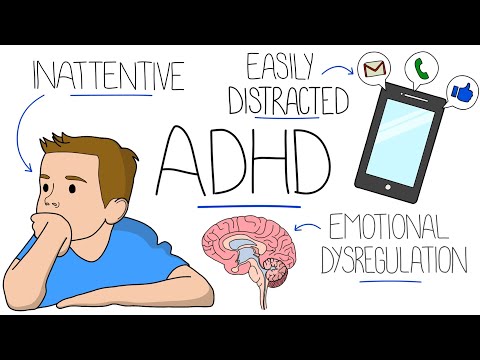
- Inattention: You might find yourself easily distracted. Maybe you’ve got a million tabs open on your browser and can’t remember what you were looking for.
- Forgetfulness: This could mean missing appointments, losing your keys every single time you come home, or forgetting to pay bills.
- Disorganization: If your workspace looks like a tornado hit it, you’re not alone. Many women with ADHD struggle with keeping things organized.
- Overthinking: You might replay old conversations or obsess over decisions more than necessary. It’s like being stuck on a hamster wheel!
- Anxiety and Mood Swings: Feeling overwhelmed? Mood swings can come out of nowhere and leave you feeling emotionally drained.
Sensory Sensitivity
This one is interesting! A lot of women with ADHD experience heightened sensitivity to sensory input. That means bright lights, loud noises, or even certain fabrics can feel unbearable at times.
The Emotional Rollercoaster
Emotions can be intense too! It’s not just about being sad or happy; it’s like everything feels amplified. If something bothers you, it could take a while to shake it off.
Let me share a quick story: A friend once told me about her struggles at work. She was always on top of her tasks but felt overwhelmed by her peers who seemed so organized and calm all the time. She’d forget details from meetings frequently and ended up doubting her abilities. Turns out she has ADHD! Recognizing those traits was the first step towards understanding herself better.
The Importance of Recognition
Recognizing these traits is huge for better self-awareness and seeking support if needed. Many times, simply knowing what you’re dealing with makes things easier.
So if you’re looking for a comprehensive checklist, there are many resources available that outline these traits more thoroughly. You don’t have to go through this guessing game alone.
In summary, recognizing female ADHD traits is important as it affects various facets of life—work relationships, friendships and self-image too! It’s all connected and understanding yourself can make all the difference!
Understanding High Functioning ADHD in Females: Key Symptoms and Insights
Understanding high functioning ADHD in females can be like peeling an onion—there are layers to it, and sometimes you might find yourself tearing up. You know, ADHD isn’t just about being hyperactive or restless; it’s more nuanced, especially when we talk about women. Let’s break down some key symptoms and insights that help paint a clearer picture.
1. Inattention
One of the most common symptoms is inattention. It can show up as difficulty focusing on tasks, getting easily distracted by noises or other stimuli, and forgetting important details. Imagine trying to read a book while a group of friends is chatting nearby—your mind might dart back and forth between the pages and their conversation.
2. Emotional Sensitivity
Women with high functioning ADHD often feel emotions more intensely than others. You might find yourself feeling overwhelmed in emotionally charged situations or getting easily upset over small issues. This sensitivity can sometimes lead to misunderstandings, making it tough to communicate how you feel.
3. Organization Challenges
Struggling with organization is another biggie. You may have a beautiful pile of papers on your desk but can’t seem to file them away properly. It’s not about being lazy; it’s just harder for the brain to manage everything at once.
4. Perfectionism
Many women with this condition develop perfectionistic tendencies as a coping mechanism. You might set incredibly high standards for yourself and feel like you’re failing if you don’t meet them—even if others think what you’ve done is perfectly fine!
5. Hyper-focus
On the flip side, there’s also something called hyper-focus, where you become so immersed in an interest that time flies by without notice. This can be great for pursuing hobbies or jobs but challenging when it comes to balancing responsibilities.
6. Social Relationships
Social interactions can be tricky too! You might feel out of sync during conversations or worry that others don’t understand your thoughts and feelings clearly—leading to anxiety in social settings.
When examining these traits, keep in mind that everyone experiences ADHD differently. Some women might resonate strongly with these symptoms while others may not identify as closely with them at all—you see what I’m saying?
High-functioning ADHD often flies under the radar because many women learn how to cope effectively throughout life, masking their symptoms pretty well while still struggling internally! They might come off as organized and in control on the outside even while feeling chaotic inside.
Ultimately, gaining awareness about these traits helps not only those who live with high functioning ADHD but also those who love or work alongside them! Being compassionate and understanding can make a world of difference in how someone navigates their day-to-day life—it’s all about fostering connection through understanding!
Essential Checklist for Identifying Autism and ADHD in Women
Understanding autism and ADHD in women can be a bit tricky since these conditions often show up differently than they do in men. While there are common traits associated with both, many women tend to mask their symptoms or may even go undiagnosed for years. So let’s break down some key points to help identify these traits.
Social Interaction
Women with autism may find social situations overwhelming. They might struggle with understanding social cues or maintaining eye contact. For example, you might notice that she often avoids large gatherings or feels exhausted after socializing.
Communication Styles
Communication can be another clear area. Women with autism might prefer deep conversations about specific topics rather than small talk. It’s common for them to be perceived as “quirky” because they might focus intensely on their interests without realizing others aren’t as engaged.
Attention and Focus
When it comes to ADHD, attention spans can really vary. Women often experience what’s known as “inattentive type ADHD.” This means they might get lost in thoughts or find it hard to keep track of tasks. Maybe she starts a project but struggles to finish it, leaving a trail of half-finished work around her home.
Emotional Sensitivity
Another important aspect is emotional sensitivity. Women on the spectrum or with ADHD may have heightened emotional responses—like feeling frustrated over small things or becoming tearful when stressed out. This sensitivity can sometimes lead others to think they’re overly dramatic, which isn’t fair.
Organization Skills
Sometimes, you’ll notice a lack of organization that can be quite distinct. She may have trouble keeping track of things like appointments or deadlines. If you see someone juggling multiple planners yet still forgetting meetings, that could be a red flag.
Masking Behaviors
Then there’s masking—this is when someone hides their true feelings to fit in socially; it’s surprisingly common among women with autism and ADHD. You know how sometimes we all put on our «game face»? Well, for some women, this is a daily routine where they suppress stimming behaviors (like hand flapping or rocking) just so they don’t stand out.
Overwhelming Responsibilities
Feeling overwhelmed by everyday responsibilities is another telltale sign. Many women juggle work and family life and end up feeling burnt out due to the constant demands placed on them—sometimes leading them to experience anxiety or depression.
Just remember: these traits can overlap deeply between autism and ADHD, and while this checklist offers insight, it’s essential for anyone who thinks this might resonate personally (or someone close) to seek comprehensive evaluation from qualified professionals who understand the nuances better than anyone else.
In short, recognizing these signs isn’t about diagnosing but rather opening conversations that could lead to better understanding and support. You feel me?
You know, when we talk about ADHD, it often seems like we picture a kid bouncing off the walls or a guy who can’t sit still in a meeting. But honestly, that’s not the whole story. Female ADHD traits can be pretty different and sometimes even sneakier.
I remember this time I was chatting with an old friend over coffee. She looked fine on the outside—successful job, social life, the whole package. But as we were catching up, she started sharing how overwhelmed she felt with all those little tasks piling up at home. It hit me; she wasn’t just being scatterbrained. That was her ADHD showing up in ways that were subtle but exhausting.
So let’s break down some of those traits that might be more common in women with ADHD. First off, many women can be super organized on the outside but feel chaotic inside. You might find yourself hyper-focusing on certain hobbies or projects while struggling to juggle everyday responsibilities, like paying bills or scheduling appointments. That feeling of being “all over the place” is real!
Then there’s emotional sensitivity—it’s like you feel everything more intensely than others around you and can become easily overwhelmed by emotions and stressors, which can lead to anxiety or depression sometimes.
Another biggie? Time management struggles! If you’ve ever been late to something important—even after promising yourself you’d leave early—you’re not alone! Women often deal with this kinda thing by developing strategies to cope but end up feeling like they’re always swimming against the tide.
Socially, women with ADHD might find themselves trying too hard to fit in or please others because they don’t want to be perceived as different or ‘difficult.’ Imagine sitting through a conversation while your mind races elsewhere; it’s exhausting!
And of course, impulsiveness doesn’t always look like yelling out answers in class—it could mean making spontaneous decisions that have lasting effects on your life without really thinking them through.
Recognizing these traits is such an important step toward understanding yourself better and figuring out how to manage daily life without feeling completely lost or frustrated all the time.
So yeah, if any of this resonates with you—or someone you know—remember it’s totally okay to seek help and explore what your brain does best!