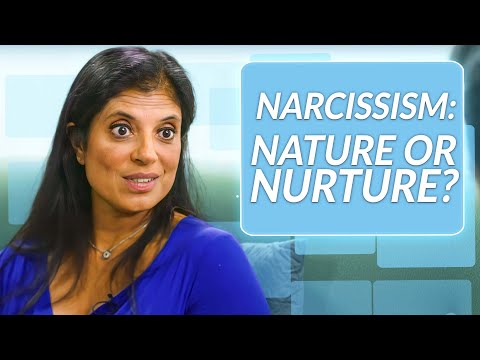
You know, there’s this idea floating around about female narcissists that can be so intriguing. They say they’re like magnets, pulling you in with their charm but leaving you feeling totally drained. It’s wild how someone can seem so captivating yet be so hard to connect with on a real level.
Ever met someone who just loves to be the center of attention? It’s like they thrive on it! But then, when the spotlight shifts away from them, things can get… well, complicated. You might find yourself wondering what’s going on under that surface.
Here’s the thing: understanding female narcissism isn’t just about spotting the signs. It’s also about realizing how these patterns play out in different situations. Relationships get messy and sometimes painful, but knowing a bit more can help you navigate those waters better.
So let’s chat about it! We’ll dig into what makes these personalities tick and how they fit into the bigger picture of human behavior. Trust me; it’ll be an interesting ride!
Identifying the Signs of a Female Narcissist in Relationships: Key Warning Indicators
Spotting a female narcissist in a relationship can feel like trying to find a needle in a haystack. They often come across as charming and captivating at first. But, as time goes on, their true colors may start to show. You know, it’s those subtle signs that really matter.
Here are some key warning indicators to keep in mind:
- Lack of Empathy: One hallmark of narcissism is an inability to understand or care about others’ feelings. If she frequently dismisses your emotions or makes everything about her, that’s a red flag.
- Excessive Need for Admiration: If she craves constant validation and compliments but rarely returns the favor, it could indicate narcissistic tendencies. It’s like she’s collecting affirmation as if it were trophies!
- Manipulative Behavior: Female narcissists are often skilled at twisting situations to their advantage. If you notice her playing the victim or changing narratives to make herself look better, that’s something to watch for.
- Entitlement: Does she expect special treatment without putting in the effort? A strong sense of entitlement means she believes rules don’t apply to her, which can lead to frustration and resentment in relationships.
- Gaslighting: This tactic involves making you doubt your own thoughts or perceptions. If you find yourself questioning your sanity because of her comments or actions, be wary; it’s a classic sign of manipulative behavior.
I remember chatting with a friend who had been dating someone like this for months. At first, everything seemed amazing! She was funny and engaging. But as time passed, he began feeling like he was walking on eggshells around her; every critique turned into an explosive fight. That’s when the red flags started waving!
You might notice how she reacts when you set boundaries too. A healthy partner respects them; a female narcissist may respond with anger or blame, making you feel guilty for just wanting some space. It’s all about control for them.
The cycle can leave you exhausted—like running on a treadmill where you’re not really going anywhere! Remembering these warnings, being aware of how someone makes you feel over time can provide clarity in what might otherwise be confusing situations.
If you’re feeling drained or constantly questioning yourself after interactions with her, it might be time to evaluate that dynamic more closely! Surround yourself with people who uplift and support you, rather than drag you down into emotional turmoil.
Narcissism isn’t always easy to spot right away; sometimes it takes patience and keen observation to see through the facade. Just trust your instincts and take care of your emotional well-being along the way!
Exploring the Dynamics of Female Narcissism: A Comprehensive Guide to Psychological Insights
Female narcissism is a pretty complex topic that often gets tangled up in misconceptions and stereotypes. You might think of a woman who’s overly self-absorbed, but it’s way more nuanced than that. In essence, female narcissism isn’t just about being vain or attention-seeking; it can also involve emotional manipulation, insecurity, and a deep need for validation.
So what exactly is female narcissism? Well, it refers to a pattern of behavior where someone has an inflated sense of their own importance and a lack of empathy for others. This isn’t limited to any one gender, but the manifestations can differ between men and women due to societal expectations and socialization.
- Emotional Manipulation: Women with narcissistic traits might use emotional tactics to control situations. For example, they could play the victim card when things don’t go their way.
- Validation Seeking: They often crave constant affirmation from those around them. This might look like needing compliments or recognition to feel valued.
- Lack of Empathy: A common trait is difficulty understanding or caring about others’ feelings. You know how sometimes you’d lend an ear to a friend? That might not happen with them.
- Defensive Behavior: When criticized, they may react defensively or lash out rather than taking feedback in stride.
You see this sometimes in friendships or workplaces, where you’re trying your best to be supportive but feel drained instead. One time I had a friend who seemed super fun at first but quickly turned everything into her own story—like I’d mention my struggles and she’d pivot right back to her life without even acknowledging mine. It felt like she couldn’t care less about my issues; it was all about her.
Cultural influences can also play a major role in shaping these behaviors. Society often teaches women that their self-worth is tied to appearance and relationships. This can lead some to develop traits typically associated with narcissism as they navigate these pressures.
It’s also worth mentioning that not all women who exhibit narcissistic traits have Narcissistic Personality Disorder (NPD). NPD is more severe and comes with specific diagnostic criteria laid out by mental health professionals. But many people can show narcissistic behaviors without fitting the full diagnosis.
The underlying vulnerabilities are important too. Often, beneath the surface bravado lies insecurity or past trauma—kind of like using an aggressive approach as armor against perceived threats from others.
So really, understanding female narcissism requires looking beyond the obvious traits into the deeper psychological aspects at play. It opens up discussions on vulnerability and emotional needs we all have—whether we like it or not! It’s wild because these dynamics influence everything from personal relationships to workplace environments.
In wrapping this up, navigating relationships with someone displaying these behaviors can be exhausting! Awareness plays such a crucial role here; recognizing these patterns lets you set boundaries while protecting your own well-being without falling into their scripts of drama or manipulation.
Understanding Narcissistic Traits in Women: Impact on Relationships
Narcissistic traits can show up in anyone, but when we talk about women, it’s important to recognize these traits not just as a label, but as behaviors that can affect relationships. So what does it mean to have narcissistic traits? Well, they include things like needing excessive admiration, having a sense of entitlement, and often lacking empathy. You might be thinking, «Okay, but how does that impact relationships?» Let’s break it down.
First off, a woman with narcissistic traits might struggle with genuine connections. You know how meaningful relationships rely on understanding and empathy? If someone’s too caught up in their own world and needs constant validation, it can create distance. Imagine trying to have an honest conversation with someone who constantly turns the focus back to themselves—it’s draining!
Another key point is manipulation. Women with these traits might use guilt or charm to get what they want. Picture this: you’re hanging out and they casually drop hints about how no one else appreciates them like you do. It makes you feel special for a moment but ends up feeling like emotional blackmail. It’s not cool.
Then there’s the issue of relationships often being one-sided. When someone is predominantly focused on their own needs and desires, your feelings can take a backseat. You might find yourself giving more than you’re getting back, which can lead to frustration or even resentment. It’s like pouring from an empty cup—you can’t give what you don’t have!
Let’s also touch on jealousy. This can be pretty common in relationships where narcissism is involved. If your friend or partner seems threatened by your achievements or friendships, this isn’t exactly supportive behavior! It feels less like celebrating each other and more like competing for the spotlight.
Finally, context matters! Sometimes society influences how we perceive these traits in women versus men. There are stereotypes about strong women being labeled as bossy or cold when they’re just asserting themselves. Recognizing that societal factors play a role helps us understand narcissistic traits better.
In summary:
- A lack of genuine connection influences closeness.
- Manipulative behaviors can shift the dynamic.
- Relationships may feel one-sided.
- Jealousy disrupts supportiveness.
- Social perceptions affect our understanding.
So there you have it! Understanding narcissistic traits in women is more than just spotting red flags—it’s seeing how these behaviors shape interactions and emotions within relationships.
You know, the concept of narcissism can be pretty complex, especially when it comes to understanding how it shows up in women. The thing is, society often stereotypes narcissists as being these overly confident, attention-seeking personalities who might be a bit loud or brash. But that’s just part of a bigger picture.
Picture this: you’re at a party, and there’s someone who steals the spotlight. They’re charming and magnetic, but maybe they also have a tendency to belittle others or dismiss their feelings. Well, that’s an overt type of narcissism—often what people think of first. But female narcissists can display their traits in subtler ways too.
For some women, it manifests through manipulation or victimization. Like, have you ever met someone who seems to thrive on drama? They play the victim card so well that everyone around them feels like they have to cater to their emotions. It can be exhausting! This kind of behavior often roots back into deeper issues—such as low self-esteem or past trauma. It’s like they’ve created this armor of grandiosity but still feel insecure underneath all that bravado.
Take my friend Lisa, for example. She always seemed to attract friends who adored her but also felt like they had to walk on eggshells around her. Whenever something didn’t go her way—which was often—Lisa would turn her charm off and resort to guilt-tripping her pals into feeling sorry for her. It wasn’t until we started talking about relationships that I realized this pattern came from a place of fear she’d been grappling with for years.
And there’s also the looming shadow of societal expectations hanging over these women. Many are taught from a young age that beauty and charm are their currencies in life. So, when those qualities become twisted into something more toxic? Well, it really complicates things! It creates an environment where competition among women can run high instead of fostering support and camaraderie.
What’s fascinating—and kind of sad—is how these dynamics play out in friendships and romantic relationships too. Female narcissists may use emotional intelligence as a weapon rather than a bridge for connection. You know? They might sense where someone is vulnerable and use that insight against them without even realizing how damaging it can be.
So yeah, while understanding female narcissism involves looking at psychological contexts—like upbringing and social conditioning—it also means acknowledging the broader implications on personal relationships and community dynamics. At the end of the day, empathy and awareness matter! Recognizing these behaviors doesn’t excuse them; rather, it helps you navigate interactions with more insight.
Life’s complicated enough without added layers of emotional manipulation!