You know, we all have those quirks that make us who we are. It’s like a puzzle, right? Each piece is a bit different but fits together in a unique way.
Ever wondered why your buddy is always the life of the party while you’re more of a quiet observer? Or why some people just seem to breeze through challenges while others, well, not so much?
That’s where personality traits come into play. And trust me, it gets really interesting when you dive into the Five Factor Model. This model breaks it down into five key traits that shape how we think and act.
So let’s explore how these traits influence our lives and interactions without getting all formal about it!
Download the Five-Factor Model of Personality PDF: Comprehensive Insights and Analysis
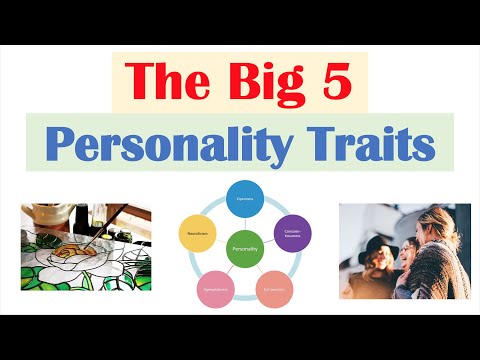
The Five-Factor Model of Personality, also known as the Big Five, gives us a framework for understanding human behavior. It breaks personality down into **five key traits**: openness, conscientiousness, extraversion, agreeableness, and neuroticism. Each trait offers insights into how we think, feel, and act in different situations.
Openness refers to how curious and imaginative someone is. People high in this trait often seek out new experiences and ideas. Imagine your friend who constantly wants to try new restaurants or travel to exotic places—yeah, that’s openness in action!
Conscientiousness measures how organized and dependable a person is. Those with high levels usually plan ahead and are disciplined. Think about someone who always meets deadlines at work or keeps their room spotless; they’re likely high in this trait!
When it comes to extraversion, it’s all about being energized by social interactions. Extraverts love being around others and thrive in social settings, while introverts might prefer quiet activities alone or with a few friends. You know that one person who lights up the room at every party? Yep, that’s your classic extravert.
The agreeableness trait showcases how friendly and compassionate someone can be. If you’re the type who goes out of your way to help others or avoid conflict, congratulations! You’re probably high on agreeableness. On the flip side, those who score low may come off as more competitive or critical.
Lastly, neuroticism involves emotional stability versus instability. High neuroticism means you might experience anxiety or mood swings more frequently. Picture a friend who gets stressed over small things—it’s not uncommon for them to be higher in this trait.
Understanding these traits can help you reflect on yourself and those around you:
- Diversity of personalities: Everyone has unique blends of these traits!
- Personal growth: Knowing where you stand can guide your self-improvement journey.
- Relationships: Understanding others’ traits helps improve communication.
- Career choice: Certain personality traits may align better with specific jobs.
So when people talk about downloading a PDF on the Five-Factor Model of Personality for comprehensive insights—well, it’s really just a deep dive into understanding human nature better. Whether it’s personal growth or improving relationships with friends—having this knowledge can be super useful!
Understanding the Big Five Personality Test: A Comprehensive Guide to Personality Assessment
The Big Five Personality Test is a fascinating way to look at human behavior. You know, it’s not just about whether you’re introverted or extroverted. It dives much deeper, breaking down personality into five main traits. So let’s get into it!
1. Openness to Experience refers to how open-minded and curious someone is. If you’re the type who loves trying new foods, exploring different cultures, or diving headfirst into creative projects, you probably score high here. People low in this trait might prefer routine and familiarity over spontaneity.
2. Conscientiousness is all about being organized and responsible. If you make to-do lists, plan your week ahead, or feel anxious when things are chaotic, you likely have a high level of conscientiousness. Those who score lower might be more laid-back or spontaneous, sometimes forgetting important tasks along the way.
3. Extraversion describes how outgoing and social a person is. If you thrive at parties, love meeting new friends, and feel energized around people—boom! You’re probably an extravert! On the flip side, introverts tend to recharge their batteries alone and may prefer quieter settings.
4. Agreeableness measures how much you care about others’ feelings and get along with people. If you’re super empathetic and often put others first (like volunteering at shelters or always lending a listening ear), then you’ve got high agreeableness going on. Lower scores might indicate someone who’s more competitive or critical.
5. Neuroticism relates to emotional stability and how prone you are to stress and anxiety. A person who tends towards anxiety or mood swings has higher neuroticism levels— it’s natural for some folks to feel overwhelmed in tough situations while others take things in stride.
Understanding these traits can help us see ourselves better—and maybe even understand our friends’ quirks too! For instance, I remember my friend who was always late to everything because she just couldn’t stick to a schedule; her low conscientiousness was obvious! Recognizing that helped me appreciate her laid-back nature instead of getting mad.
The Big Five isn’t just for academics; it can shape relationships, careers, even parenting styles! Knowing where you stand helps with choosing jobs that fit your personality best—like if you’re high in openness, a creative role might be perfect for you.
So basically, the Big Five gives us valuable insights into ourselves and others without boxing anyone in completely; everyone’s unique blend of these traits creates their own special personality cocktail!
Understanding the Big 5 Personality Traits: Definitions and Real-Life Examples
Understanding the Big 5 Personality Traits
When we talk about personality, it’s like trying to look at the complex tapestry that makes us who we are. The Big 5 Personality Traits are a really popular way to break all that down. They give us some solid categories for understanding our behaviors and how we interact with the world. Basically, they’re like five big boxes that help you figure out your tendencies and quirks.
1. Openness to Experience
This trait is all about how much you enjoy new experiences and ideas. If you’re someone who loves exploring different cultures, trying out new foods, or diving into creative hobbies, you probably score high on openness. On the flip side, if you’re more comfortable sticking to routines and familiar environments, you might score lower here.
You know that friend who’s always suggesting a random road trip or wants to see that indie film? Yeah, they’re likely high in openness!
2. Conscientiousness
Conscientiousness relates to how organized and responsible you are. People with high conscientiousness tend to plan ahead and follow through with tasks—think of them as the go-getters in a group project who always have their stuff together. Low scorers might be more spontaneous or laid-back; they could forget about deadlines or leave things until the last minute.
Imagine preparing for an exam: someone high in conscientiousness would start studying weeks ahead, while another person might wait until the night before!
3. Extraversion
Extraversion is all about how energized you feel around other people versus being alone. Extraverts thrive on social interactions; they’re often seen as outgoing and enthusiastic. Introverts? They recharge by spending time alone or with close friends rather than large groups.
Think of it like this: if a loud party gets your heart racing with excitement, you’re likely an extravert! But if you’d rather hang out at home watching movies with just a couple of friends, that’s more introverted.
4. Agreeableness
This trait reflects how well you get along with others. High agreeableness means you’re friendly, compassionate, and cooperative; low agreeableness can come off as more competitive or skeptical of others’ intentions.
Ever notice that one person who’s always willing to help out? That’s a pretty good sign they’re high in agreeableness! You can see it when friends help each other after a tough breakup—or when someone volunteers without expecting anything back.
5. Neuroticism
Neuroticism measures emotional stability and resilience—how easily do you feel anxious or stressed? People who score high may frequently experience mood swings and are often more sensitive to stressors in life. In contrast, those low in neuroticism tend to stay calmer during tough situations.
Let’s say your friend freaks out over minor mishaps—like spilling coffee before work—that could indicate higher neuroticism levels!
In conclusion (not really concluding!), personality traits aren’t set in stone—they grow and change over time based on experiences and situations. You can think of these traits as guidelines for understanding yourself better—and hey, even those around you too! So take some time to reflect on where you fall within these traits; it might give you fresh perspectives on your relationships and behaviors!
You know, personality is one of those things that makes us unique, right? Like, think about all the little quirks and habits that define who we are. Some people are super outgoing and love to be in the spotlight, while others prefer a quiet night at home with a book. This mix of traits has always intrigued folks like psychologists, who try to figure out why we behave the way we do.
One of the big frameworks they use to understand these personality traits is called the Five Factor Model, or sometimes it’s just referred to as the Big Five. Basically, it’s this cool way to break down our personalities into five major dimensions: openness, conscientiousness, extraversion, agreeableness, and neuroticism. Each of these traits gives insight into how we think and act.
So picture this: imagine you have a friend who’s really open-minded. They’re always eager to try new things—like that one time we went skydiving! On the flip side, there’s someone else in your circle who’s more reserved and likes routine. That friend probably falls on the other end of that openness scale.
Then there’s conscientiousness; it’s all about being organized and reliable. You probably know someone who lives by their planner and gets annoyed when plans change last minute—that’s high conscientiousness for you! Meanwhile, if you’re like me and sometimes forget where you put your keys (like every single day), you might lean more toward the low end of that trait.
Now let’s talk about extraversion. This is all about how social someone is. You know those people who light up a room? They thrive on social interactions! But not everyone feels that way; some folks recharge their batteries in solitude instead. Remember that time when I canceled plans just because I needed some alone time? Yep—classic introvert move right there.
Agreeableness comes into play with how well we get along with others. Some folks are super empathetic and always willing to help out—it’s heartwarming! Then there are those who might be more competitive or skeptical about others’ intentions—not necessarily bad; just different vibes.
Finally, there’s neuroticism. This one’s kind of complicated because it describes emotional stability versus instability. Do you ever feel anxious over little things? That could mean you’re higher on the neuroticism scale! It doesn’t mean there’s something wrong with you; it’s just part of what makes you ‘you.’
The thing is, this model doesn’t box us in—it helps us understand ourselves better without putting labels on what can be very complex human emotions and behaviors. It’s like looking at your personality through a fun lens instead of trying to fit everyone into one mold.
You see? Everyone has their own blend of these traits forming our personalities—the good stuff that makes life colorful! So whether you’re adventurous or prefer cozy nights in or maybe even both at different times; that’s just part of being human—and honestly kind of wonderful don’t you think?