You know how some people seem to handle challenges like pros? While others, well, they just shut down?
That’s the magic of mindsets! Seriously, it’s all about how we view our abilities.
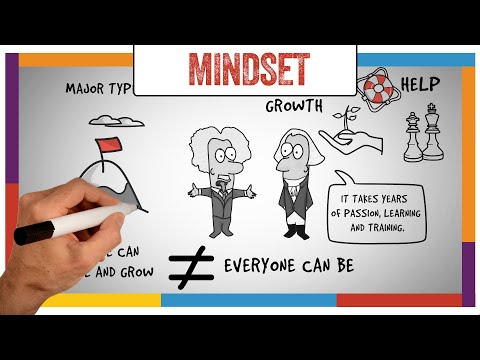
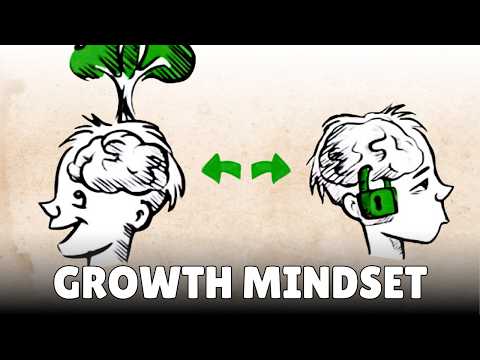
Some folks have a fixed mindset, thinking talent is all you’ve got. Others embrace a growth mindset, believing they can learn and improve.
It’s not just psychology mumbo-jumbo; it shapes our everyday lives. Whether you’re tackling school stuff or trying to nail that new hobby, it matters more than you think!
Let’s unpack this together and see why your mindset can totally change the game. Sound good?
Understanding Growth vs. Fixed Mindset: Key Psychological Concepts Explained
When we talk about mindsets, we’re diving into how people perceive their abilities and potential. Basically, it’s all about whether you think your traits are fixed or can grow and change over time. There are two main types: growth mindset and fixed mindset. Let’s break this down.
A fixed mindset is the belief that your abilities are static. You might think, “I’m just not good at math,” or “I’ll never be a great writer.” In this mindset, challenges feel like threats because failure could prove that you lack talent. This can lead to:
- Avoiding challenges: If you believe you can’t improve, why even try?
- Giving up easily: When things get tough, it’s easier to throw in the towel.
- Dismissing feedback: Constructive criticism feels like a personal attack.
- Feeling threatened by others’ success: Their achievement highlights your own perceived shortcomings.
Now let’s flip the script to a growth mindset. This is the belief that abilities can be developed through dedication and hard work. It’s like saying, “Sure, I struggle with math now, but I can improve with practice!” With a growth mindset, you tend to:
- Embrace challenges: You see them as opportunities to learn.
- Persist through difficulties: Instead of giving up, you’re more likely to keep going when things get hard.
- Welcome feedback: You view constructive criticism as valuable info for improvement.
- Celebre others’ success: Their achievements inspire rather than threaten you!
An example might help here. Picture yourself learning a new instrument. If you’ve got a fixed mindset, each wrong note feels like proof you’ll never play well and might make you quit after few tries. But with a growth mindset? You think about practice and patience; maybe those wrong notes are part of learning! That keeps you motivated even when progress feels slow.
This idea comes from psychologist Carol Dweck’s research; she’s pretty famous for it! She found that students who adopted a growth mindset were more resilient and showed greater academic improvement compared to those with fixed mindsets. It’s like flipping on a light switch in your brain: suddenly things seem possible!
The cool thing is that mindsets can shift over time. If you’ve always felt stuck in one way of thinking, don’t sweat it! By actively seeking challenges and reframing failures as opportunities for growth, anyone can develop that growth perspective over time.
If you’re looking to cultivate this in daily life, try focusing on the process rather than just the outcome. Celebrate small wins along the way—like mastering one tricky chord in that instrument example—rather than waiting until you’ve nailed an entire song before recognizing your effort!
The bottom line is simple: understanding whether you’re leaning towards a growth or fixed mindset can impact how you face life’s challenges. So next time you’re faced with something tough, remember: each challenge is another chance to grow!
Understanding the Difference Between Growth Mindset and Fixed Mindset in Today’s Psychology
Understanding mindsets can really change how you tackle challenges in life. You know, it’s like having two different lenses to look through when you’re facing a problem or trying to learn something new. So, let’s break down the two main types: the **growth mindset** and the **fixed mindset**. Each one affects how you deal with setbacks, learn skills, and grow as a person.
Growth Mindset is all about believing that your abilities and intelligence can develop through effort and dedication. If you have this mindset, you see challenges as opportunities to grow. For example, if you bomb an exam but think, «Hey, I can study harder next time,» that’s growth mindset thinking! You embrace feedback and learn from criticism rather than feeling defeated.
Now, flip that coin over to the Fixed Mindset. People with this mindset believe their talents are static; like you’re either good at math or you’re not—there’s no changing it. So imagine someone who fails a test and thinks, «Math just isn’t for me.» This belief limits their ability to improve because they might not even try! The fear of failure becomes a roadblock instead of a stepping stone.
Now let’s look at some differences in how these mindsets play out in real life:
- Response to Challenges: Growth-minded folks tackle challenges head-on while fixed-minded people often shy away from difficulties.
- Effort: For those with a growth mindset, effort is seen as necessary for mastery; but if you’re stuck in a fixed mindset, effort might feel pointless.
- Feedback: Growth-minded individuals use feedback constructively; fixed-minded ones may view it as personal criticism.
- Success of Others: If someone else succeeds, growth-minded people feel inspired; those with a fixed mindset may feel threatened or envious.
Think of it like this: picture two students preparing for an important soccer game. One student has practiced hard but doesn’t make the team. With a **growth mindset**, they’d look for ways to improve for next season—maybe joining extra practices or asking for coaching tips. The other student might sulk about their rejection and think they’ll never be good enough to play at all.
It’s clear that having one mindset over the other can change how you approach virtually anything—from learning new skills at work to navigating relationships or even tackling personal goals. Adopting more of a growth perspective can lead to greater resilience and a willingness to embrace new experiences.
Now here’s where things get interesting: while our natural inclinations might lean toward one type of thinking due to personal experiences or upbringing, it’s possible—and pretty beneficial—to shift toward a growth mindset over time. Encouraging self-talk like “I can improve” or “Mistakes help me learn” makes an impact! Basically, being aware of these patterns helps us understand ourselves better.
So remember: your mindsets aren’t set in stone! The more you recognize these styles of thinking within yourself and others around you, the more equipped you’ll be to foster your own growth—and maybe even help someone else do the same along the way!
Understanding Fixed Mindset in Psychology: Examples and Implications
Understanding Fixed Mindset in Psychology
When we talk about a fixed mindset, we’re diving into a way of thinking that can really shape how you approach challenges. Basically, if you have a fixed mindset, you believe your abilities and intelligence are pretty much set in stone. So, when things get tough or you face failure, it can feel like the end of the road instead of just a bump in the journey.
You might be wondering where this comes from. A lot of it has to do with how we’re conditioned from a young age. If you grew up hearing “you’re so smart” when you did well at something, it can make you shy away from challenges out of fear that failing will tarnish that label. It’s like walking on eggshells—you don’t want to mess up what others see as your talent.
Examples of Fixed Mindset
Think about someone who believes they’re just «bad» at math. If they bomb a test, they might say “I’m just not good at this,” and give up studying altogether. They see their struggle as proof that they lack ability rather than an opportunity to learn something new. That’s a classic fixed mindset move.
Another example could be in sports. Let’s say an athlete feels they’ve reached their peak performance level. When faced with a competitor who trains hard and pushes limits, they may think “I’ll never be as good,” instead of seeing it as motivation to improve.
Implications for Life
Living with a fixed mindset carries some serious implications. It can limit personal development and growth because you’re constantly worried about maintaining your “identity.” You miss out on learning opportunities since trying new things feels too risky.
In relationships or teamwork settings, having this mindset can create friction too! If someone is always defensive about their abilities, others might find it difficult to communicate openly or share ideas without fearing judgment.
But here’s the kicker: shifting towards a growth mindset—believing abilities can improve with effort—can drastically change your life experience. You become more resilient, embrace challenges more readily, and even learn to appreciate feedback as valuable guidance rather than criticism.
So yeah, recognizing if you’ve got some traits of a fixed mindset is key! It opens the door for change and improvement—no one’s perfect! Just remember that everybody’s deciding whether to grow or stay stagnant every day; your mindset plays a big role in which path you’ll take!
You know, the whole idea of mindsets can feel pretty eye-opening when you really get into it. So, there’s this big difference between what’s called a fixed mindset and a growth mindset. A fixed mindset is when you believe that your abilities and intelligence are pretty much set in stone. Like, if you think you’re just not good at math or art, that’s it for you, right? You might not even bother trying because you feel like it’s hopeless.
On the flip side, a growth mindset is all about believing that you can develop and improve your skills over time. It’s like saying, «I may not be great at this now, but with practice and effort, I can get better.” It’s kind of empowering to think like that!
Let me tell you a little story. There was this girl named Ava who always struggled with public speaking. She’d freeze up and her voice would tremble whenever she had to present in class. You could see the panic in her eyes every time she faced an audience. But one day, her teacher encouraged her to join a drama club. At first, Ava thought it was ridiculous—she figured she’d just embarrass herself even more. But something shifted for her during rehearsals; she started to enjoy acting and realized that she could actually improve if she kept trying.
Over time, Ava built confidence in her speaking abilities. She learned how to handle the nerves and even began seeing mistakes as learning opportunities instead of failures! That’s the growth mindset kicking in right there.
So here’s where it gets interesting: these mindsets don’t just apply to school or work; they seep into your everyday life too—relationships, hobbies, even how we view challenges. If you’re stuck in a fixed mindset about something like fitness—thinking you’ll never be fit—you might shy away from trying new things or setting goals for yourself.
But if you’ve got that growth mentality? You might say, “Hey! I can start small by going for walks or trying out fun exercise classes.” You begin embracing setbacks because they’re part of the journey rather than roadblocks.
The cool thing? Research shows that cultivating a growth mindset can lead to better outcomes in various areas of life—from academic success to personal relationships. So next time you’re faced with something challenging—or feeling down about your skills—ask yourself: Are you stuck in that fixed way of thinking? Or can you find ways to grow from it? It’s all about how we frame our experiences and challenges!
In short, having that growth mindset opens doors and encourages us to see progress as possible—not just something reserved for others who seem naturally gifted or talented. We all have some potential waiting to be unlocked; sometimes we just need the right perspective to notice it!