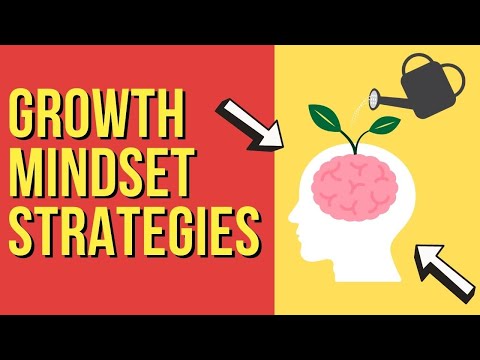
You know, change is one of those things that can hit us like a ton of bricks. One minute you’re cruising along, and the next, bam! Everything feels different.
It’s totally normal to feel uneasy about it, right? But there’s something deeper going on here: our mindset. Seriously.
Some people just roll with the punches—embracing every twist and turn. Others? Well, they tend to cling to what they know. This is what we call a fixed mindset.
So let’s chat about what that means in real-life situations. How does it shape how you respond to challenges? You might find it’s a bigger deal than you thought!
Understanding Fixed Mindset in Psychology: Definition, Impact, and Strategies for Change
Understanding fixed mindset in psychology can be eye-opening. You might know someone who seems to avoid challenges or feels threatened by other people’s success. Well, that’s often due to a fixed mindset. It’s a belief that your abilities and intelligence are static—you either have it or you don’t. This mindset can really limit potential because it discourages growth.
Definition: A fixed mindset is the idea that your qualities are carved in stone. If you think you’re not good at math, you might believe there’s nothing you can do about it. On the flip side, a growth mindset embraces challenges and sees failures as opportunities for learning. Basically, people with a growth mindset think they can improve through effort and persistence.
The concept comes from psychologist Carol Dweck’s research, which shows how these two mindsets influence our lives profoundly. Imagine a kid who always hears they’re “the smart one.” They might shy away from difficult tasks because they fear losing that label if they don’t succeed right away. That’s the impact of a fixed mindset—fear of failure and avoidance of challenges.
So, what does this mean for us? Here’s where it gets interesting! A fixed mindset makes it harder to learn new things or even take risks in life. You might hold back on pursuing that promotion at work or trying out for a team because you’re worried about not measuring up.
Impact: The effects of having a fixed mindset can ripple through various areas of your life:
- Academic performance: Students may stop trying after poor grades, thinking they just can’t improve.
- Your career: Professionals may miss out on opportunities due to fear or unwillingness to take on new challenges.
- Your relationships: People may struggle with conflict resolution, believing their perspective is unchangeable.
Now let’s look at strategies for change! Shifting from a fixed mindset to a growth one isn’t magic; it takes practice and intention.
- Acknowledge your thoughts: Start by recognizing when you’re having negative thoughts about your abilities.
- Challenge those thoughts: Ask yourself: «Is this really true?» For example, if you think «I’ll never be good at public speaking,» rephrase it to «I can improve with practice.»
- Cultivate resilience: Embrace failure as part of learning. This means seeing mistakes not as proof of inadequacy but as steps toward mastery.
- Engage with people who encourage growth and share their own journeys of learning.
Remembering these strategies can help change the way you perceive challenges and setbacks. And honestly, embracing change isn’t just about feeling better; it’s about unlocking your full potential!
You know, transitioning from a fixed to a growth mindset allows for so much more than just personal progress—it opens doors to opportunities you’d never thought possible! So next time you’re faced with something daunting, ask yourself: how can I grow from this?
Five Effective Strategies for Embracing Change in Your Life
Changing things up in your life can feel daunting, right? Seriously, everyone grapples with change at one point or another. Whether it’s switching jobs, moving to a new city, or even just starting a new routine, it’s like being tossed into an unknown pool. Some folks dive right in, while others hang back on the edge, questioning everything. This fear often comes from a fixed mindset, where you might believe your abilities are set in stone. But you can totally shift that perspective! Here are some strategies to help you embrace change like a champ.
- Acknowledge Your Feelings.
When change hits, it’s normal to feel anxious or scared. Maybe you’ve felt that pit in your stomach when you got news about a job change. Instead of pushing those feelings aside, let yourself feel them! Acknowledging what you’re going through is the first step towards dealing with it. Talk about it with friends or write it down—whatever feels good for you.
- Focus on Growth.
Switching to a growth mindset can be game-changing. This means believing that you can develop your skills and adapt over time. If you’re facing a new project at work and feel overwhelmed, remind yourself that every challenge is an opportunity to learn something new! Embrace that possibility. You could become better at something unexpected—like public speaking or time management!
- Set Small Goals.
Big changes can seem huge and scary, but breaking them down helps heaps. Let’s say you want to get fit after years of being sedentary. Instead of planning an intense workout regime right off the bat, start small! Maybe aim for just ten minutes of walking each day at first. Take those baby steps; celebrating small victories helps build confidence.
- Seek Support.
Having cheerleaders around makes embracing change way easier! Surround yourself with positive friends or family who encourage you to push through the tough stuff—kinda like having your own squad ready to lift you up when things get rough! When my friend decided to move abroad for work, she reached out to people who had done similar moves and got their insights and encouragement.
- Practice Self-Compassion.
When things don’t go as planned—and trust me they won’t—be kind to yourself! Treat yourself like you’d treat a good friend going through tough times. You wouldn’t call them incompetent for struggling; you’d probably tell them it’s okay and that they’re doing their best. Give yourself that same grace during transitions.
Embracing change doesn’t have to be terrifying or overwhelming—you just need the right mindset and tools! Next time life throws something new at you, remember these strategies and watch how much easier it becomes to adapt and flourish.
Understanding the Rule of 3 in Fostering a Growth Mindset for Personal Development
Alright, let’s talk about the Rule of 3 and how it can help you cultivate a growth mindset for personal development. It’s a pretty neat concept that suggests things come in threes are more memorable, relatable, and effective. You know how sometimes you hear a joke with three parts? The setup, the buildup, and then the punchline? It’s just easier to digest. Well, this principle can be applied beyond humor—especially when you’re working on your mindset!
Now, a growth mindset, as opposed to a fixed mindset, is all about believing in your ability to develop through effort and learning. When you have a fixed mindset, you might think that your intelligence or talents are set in stone—it’s like thinking you can’t change who you are. A growth mindset flips that script; it allows you to see challenges as opportunities.
- Embrace Challenges: When faced with something tough, don’t shy away! Instead of saying «I can’t do this,» try «I can’t do this yet.» Viewing challenges through the growth lens makes them less daunting.
- Persist Through Setbacks: If you stumble or fail—that’s part of growing! Think of Thomas Edison. He went through thousands of failed experiments before creating the lightbulb. Each failure taught him something new; he embraced it.
- Learn from Criticism: Feedback might sting sometimes—it feels personal—but consider it constructive. Use criticism to fuel your improvement. Remember: Someone pointing out where you can grow isn’t attacking who you are; they’re helping expand your capabilities!
The beauty of the Rule of 3 is that it gives us manageable steps to follow—three key ideas make it less overwhelming. Let’s say you’re trying to build better habits for personal growth: You could focus on three specific traits like resilience, curiosity, and discipline.
If we look back at someone like J.K. Rowling, she faced tons of rejections before her Harry Potter series got published. Imagine if she’d let those setbacks define her! Instead, she used each rejection as a stepping stone toward her goal—pretty inspiring stuff.
The bottom line is this: using the Rule of 3 can help foster that all-important growth mindset by breaking down complex ideas into bite-sized pieces that make sense and stick with us longer. Just remember: It’s not about perfection; it’s about progress.
The more you practice embracing challenges, persisting through setbacks, and learning from critique, the stronger your growth mindset becomes—and guess what? That translates directly into personal development! So take those small steps today; they really do add up!
You know, change isn’t always a walk in the park. A lot of people struggle with it. I mean, we’ve all been there, right? You start a new job or maybe you move to a different city, and suddenly it feels like your whole world is upside down. That’s where this idea of a fixed mindset comes in.
A fixed mindset basically means you believe that your abilities and intelligence are set in stone. Like, you’re either good at something or you’re not, and there’s no room for growth. It’s almost like thinking you’re stuck with the hand you were dealt in life. This can be super limiting and make embracing change feel impossible.
Let me tell you about my friend Sarah. She always thought she was terrible at math—like, absolutely hopeless! So when she had to take a statistics class for her degree, she was convinced she would fail miserably. Instead of asking for help or trying out different study techniques, she just steered clear of anything math-related. Guess what happened? She almost didn’t pass! Her fixed mindset held her back from even trying to improve.
On the flip side, there’s something called a growth mindset. It’s when you see challenges as opportunities to learn and grow instead of just stressing over them. It’s basically like flipping a mental switch where you realize that making mistakes is part of the process.
But why do we get stuck in this fixed perspective? Well, it often ties back to fear—fear of failure or judgment from others can really hold us back from exploring new paths or taking risks.
When we embrace change and take steps toward a growth mindset instead of sticking with that fixed approach, everything can open up! You start seeing challenges as stepping stones rather than roadblocks.
Think about it: What if Sarah had looked at her struggles differently? If she’d seen those tough math problems as chances to learn rather than evidence that she “just wasn’t cut out” for math… She might’ve found herself actually enjoying statistics instead!
So next time change comes knocking—or even barging into your life—try to pause and reflect on how you’re viewing it. Are you thinking «I can’t» or «I’ll try»? The shift isn’t easy; trust me on that one—but keeping an open mind could totally transform your experience!