You know how some people just seem to bounce back from setbacks while others get stuck? It’s like, what’s their secret?
Well, it turns out it might just come down to their mindset. Fixed or growth? Crazy how much those words can shape our lives, right?
Picture this: you try something new and bomb it. A fixed mindset might say, “I’m just not good at this.” But a growth mindset? It’ll be like, “Hey, I can learn from this.”
It’s wild how these perspectives influence everything we do. Let’s chat about what they are and how they can totally change the game for you!
Understanding Fixed vs. Growth Mindset: Key Differences and Practical Examples
So, you might have heard about fixed and growth mindsets. They’re pretty fascinating concepts that can totally shape how you see yourself and tackle life’s challenges. Basically, the idea comes from psychologist Carol Dweck, who spent a lot of time researching how our beliefs about our abilities influence our behaviors and outcomes.
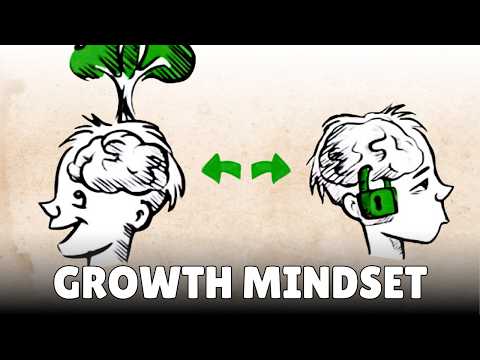
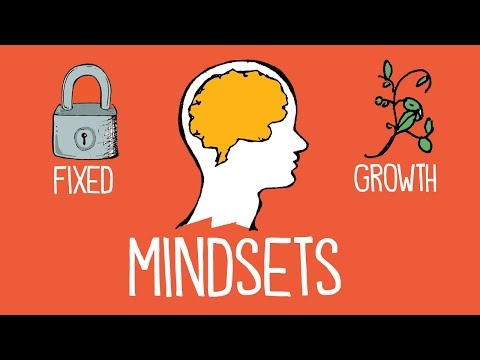
A fixed mindset is when you believe that your abilities and intelligence are, like, set in stone. If you think you’re not good at math, for example, that’s just how it is. People with this mindset might avoid challenges because they fear failure—like it’s a reflection of their worth. They may think that effort is pointless if they’re not naturally talented.
On the flip side, a growth mindset means you believe your skills can develop over time through hard work and dedication. You see failures as opportunities to learn rather than as evidence of your limitations. So if you’re struggling with a math problem, you’d probably think, “Okay, I can figure this out eventually.”
Here’s where it gets interesting: these mindsets affect everything! Think about grades in school. A student with a fixed mindset might just give up after a bad test score because they think they’re just «bad» at the subject. Meanwhile, someone with a growth mindset would analyze what went wrong and try to improve for next time.
- If you fall short of your goal at work—fixed mindset: “I’ll never get promoted.” Growth mindset: “What can I do differently next time?”
- If you hit a rough patch in your personal life—fixed mindset: “This always happens to me.” Growth mindset: “I’ll learn from this experience.”
- Athletics are another great example: Fixed mindset athletes may quit after losing; growth mindset athletes see losses as learning experiences to gain an edge.
The thing is, mindsets aren’t just all black and white. You may find yourself shifting between both depending on the situation or context. That’s totally normal! Recognizing when you’re operating from a fixed versus a growth perspective can help you adjust your approach.
If you’re looking to foster more of that growth vibe within yourself or others around you, try focusing on effort over innate ability! Complimenting someone on their hard work instead of their «natural» talent can help them build resilience and flexibility in how they view their skills.
You know what? It really boils down to how we interpret challenges and failures in our lives. So whether it’s work or personal endeavors—seeing struggles as stepping stones rather than roadblocks could make all the difference!
Exploring the Two Types of Mindsets: A Comprehensive Guide
Mindsets That Shape Us: Fixed vs. Growth Perspectives
When we talk about mindsets, it’s basically like looking at how we approach challenges and learning in life. There are two main types of mindsets you might want to know about: the fixed mindset and the growth mindset. These ideas come from psychologist Carol Dweck’s research, which has really changed how we understand learning and achievement.
With a fixed mindset, you believe that your abilities and intelligence are pretty much set in stone. It’s like saying, «I’m good at math, but I could never learn to play the guitar.» People with this type of mindset often feel threatened by challenges. They might think failure means they aren’t smart enough or talented enough. So instead of pushing through tough situations, they tend to shy away from them.
On the flip side, a growth mindset views challenges as opportunities for development. If someone with a growth mindset says, “I’m not great at math yet, but I can improve if I practice,” you can see how this person is open to learning! They’re more likely to embrace failures as valuable lessons rather than signs of incompetence.
So what does this look like in real life? Here are a few key points:
- Response to Challenges: People with a fixed mindset often avoid tough tasks while those with a growth mindset actively seek them out.
- Attitude towards Learning: A fixed mindset can lead you to give up easily when things get difficult; a growth mindset makes you persist!
- Feedback Reception: Feedback can feel threatening if you have a fixed mindset. But for growth-minded folks, it’s super valuable.
- Aspiring to Teach Others: If someone with a fixed mindset sees another doing well, they may feel envy; whereas someone with a growth perspective will likely use that as motivation.
Think about school or sports for example. Maybe you remember feeling nervous during exams or competitions? Someone with a fixed mindset might think they have only one shot at success—miss it, and that’s it! A person with a growth perspective would likely say, «Okay, I didn’t do so hot this time. What can I learn for next time?»
But here’s the cool part—you can shift your mentality! It doesn’t mean changing who you are overnight; instead, it involves gradually recognizing where your thoughts lean and making little adjustments over time.
Bouncing back from setbacks is crucial too. When life knocks you down—and trust me, it will—having that growth perspective encourages resilience. You realize that effort matters more than just being ‘naturally gifted.’ You start believing in yourself even more!
In summary, understanding these two mindsets isn’t just some academic exercise; it’s real-life stuff affecting how we navigate everything from schoolwork to our careers—and even personal relationships! Shifting towards a growth-oriented way of thinking could empower you in ways you never thought possible.
So next time you’re faced with something challenging or frustrating—ask yourself which mindset you’re leaning into! Make tiny shifts when possible and watch how your experiences change along the way.
Understanding Mindsets: Growth vs. Fixed Perspectives on Subject Ability Development
Understanding mindsets can totally change the way you approach learning and challenges. You might be familiar with the concepts of growth and fixed mindsets, but diving deeper into these can really help you get a clearer picture of how they shape our abilities.
A fixed mindset is when you believe that your abilities are static. It’s like thinking you’re born a certain way, and that’s just it. For example, if math isn’t your thing, a fixed mindset might make you say, “I’m just not good at math.” You just write it off without even trying to improve.
On the flip side, we have the growth mindset. This is all about believing that you can develop your skills through effort and perseverance. If math is tough for you, a growth mindset would encourage you to think something like, “I might struggle now, but I can get better with practice.” It’s less about innate talent and more about hard work.
Think of it this way: let’s say you’re playing basketball. If you’re stuck in a fixed mindset, missing a shot may feel like proof that you’re just not cut out for it. But with a growth mindset? You see those missed shots as part of the learning curve. Each one teaches you something new about your technique or focus.
Research shows that having a growth mindset leads to greater motivation, better performance at school or work, and even increased resilience when things get tough. So when people face setbacks—like failing an exam—those with a growth mindset are more likely to pick themselves up and try again rather than giving up altogether.
Another important aspect is how feedback affects us based on our mindsets. Those with fixed mindsets often take criticism personally; they see it as confirmation of their limitations. Meanwhile, people with growth mindsets view feedback as valuable information that helps them improve.
So how do these mindsets affect our daily lives? Well, imagine someone trying to learn guitar. A person with a fixed mindset might quit after struggling through a few chords because they think they’ll never get any better at it. In contrast, someone with a growth perspective would likely stick it out, knowing that practice makes progress. They could even find joy in those frustrating moments because they understand they’re part of the journey!
In relationships too, these mindsets play roles in how we communicate and grow together. Someone who thinks love or connection is something inherent may not put in the effort required after challenges arise—believing things will stay stagnant regardless of what they do.
In summary:
- Fixed Mindset: Abilities are static; failure feels personal.
- Growth Mindset: Abilities can develop; failure is part of learning.
- Mistakes: Seen as roadblocks vs opportunities.
- Resilience: Growth-minded individuals bounce back stronger.
- Feedback: Growth-minded folks use criticism wisely.
Understanding these perspectives isn’t just academic; it’s super practical! Knowing where your thoughts fall can profoundly influence everything from learning new skills to handling life’s hiccups—or even nurturing relationships! So next time you’re faced with a challenge or setback? Remember: it’s all about how you frame it in your mind!
So, let’s chat about mindsets for a moment. You know, like how some people seem to bounce back from setbacks and others just… don’t? That’s where the whole fixed versus growth mindset thing comes into play.
Picture this: you’re in school, and you bomb a math test. A friend of yours might think, “Ugh, I’m just terrible at math,” while another might say, “Okay, I’ll study harder next time.” The first friend has that fixed mindset—believing their abilities are set in stone. The other is showing a growth mindset, believing they can improve with effort and practice.
It’s kind of curious how these mindsets shape our experiences. Think about it. If you believe you can’t change or get better at something—like a skill or even handling social situations—you might not even try to improve. It’s like wearing blinders! On the flip side, someone with a growth perspective views challenges as exciting opportunities to learn. And that opens up so many doors!
I remember when I tried learning guitar for the first time. At first, I was all thumbs and struggled with chords. There was this moment when I thought about giving up—my fingers were sore! But then I shifted my thinking to “Hey, this is part of getting better.” It wasn’t smooth sailing by any means, but slowly—I mean really slowly—I started playing songs I loved. That feeling was electric!
So why does this matter? Well, it doesn’t just impact personal hobbies; it rolls into how we approach goals at work or relationships too! If you’re facing challenges in your job or even hitting bumps in your friendships and you lean into that growth mindset—wow—that can lead to resilience and adaptability.
But it’s not always easy to flip from one mindset to another. Life throws curveballs at us all the time! Even if you want to embrace that growth perspective, old habits die hard. Sometimes it takes a little nudge from friends or experiences to realize that it’s okay to mess up along the way.
In a nutshell, whether we lean towards a fixed or growth mindset can seriously change the way we see ourselves and our capabilities over time. It shapes not just how we handle failure but also how we celebrate success—big difference there! So next time you’re faced with something tough, ask yourself: “What would my growth mindset tell me?” It could just be the kickstart you need!