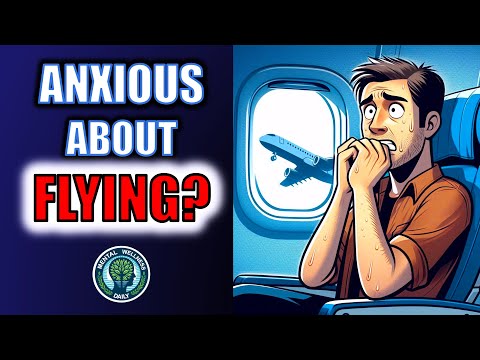
You know that feeling when you’re about to step on a plane, and your stomach does this weird flip? Ugh, flight anxiety can be a total nightmare.
So many people struggle with it—like, you’re not alone! Just thinking about turbulence or even just sitting in that cramped seat can make your heart race.
But here’s the thing: understanding what’s going on in our minds can really help. It’s all about figuring out those pesky thoughts and feelings that creep up when we’re up in the air.
Let’s explore some psychological insights together, shall we? Maybe we can turn that anxious energy into something more manageable. What do you say?
Overcoming the Fight or Flight Response: Reclaiming Your Life After Years of Stress
Sometimes, when life gets all chaotic and stressful, you feel like you’ve got this constant adrenaline pumping through your veins. That’s your body’s way of reacting to danger—what we call the fight or flight response. It’s like an alarm system kicking in. But after years of stress, that little alarm can get a bit too sensitive. You know what I mean?
When you constantly feel on edge, it can interfere with pretty much everything—work, relationships, even just chilling at home. The thing is, you can learn to manage this response and take back control of your life. Here’s how.
Understand What Happens Inside
Your body goes through some wild stuff when stress hits. Your heart races, breathing speeds up; it’s like being chased by a bear—even if you’re just sitting in a meeting! This is your *sympathetic nervous system* going into overdrive. It prepares you for action but can be exhausting when there’s no bear around.
Learn to Recognize Triggers
You might have certain situations that really set off that fight or flight reaction—like flying, crowded places, or even speaking in public. Recognizing these triggers is super important because it gives you a chance to prepare for them. Imagine knowing exactly what might set off your anxiety before it actually happens—that’s pretty powerful!
- Journal Your Feelings: Writing down what triggers those emotions can help.
- Practice Mindfulness: Being aware of the present moment shifts focus from fear.
- Talk it Out: Sharing experiences with friends or support groups creates connections.
Breathing Techniques are Game Changers
When all the chaos kicks in, your breathing becomes shallow and fast. You want to flip that script! Try some deep breathing exercises:
– **Inhale deeply** through your nose for a count of four.
– Hold it for another four.
– **Exhale slowly** through your mouth for six.
Seriously! Doing this even just a few times helps ground you back in the moment and calms that racing heart.
Gradual Exposure Works Wonders
If flying gives you major anxiety (and trust me, you’re not alone), start small. First, look at pictures of planes or watch travel videos online. Then maybe go visit an airport without flying anywhere—just to soak in the atmosphere without the pressure of actually getting on a plane.
This gradual exposure lets your body slowly adapt to what makes it anxious without overwhelming yourself all at once.
Seek Out Support
Getting help from someone who understands is key! Psychologists and therapists know how to tackle these issues effectively and give practical strategies tailored just for you. Plus talking things out with someone who gets where you’re coming from? Seriously helpful!
In all essence, reclaiming control after living in fight or flight mode takes time and patience but small steps lead to big changes over time! Each tiny victory adds up—you start feeling more at home in your own skin again instead of running from imaginary bears!
So remember: **recognize**, **manage**, and **seek support**—you’ve got this!
Overcoming Fear of Flying: Understanding the Psychology Behind Aviation Anxiety
Fear of flying affects many people, and it can be pretty overwhelming. You know that feeling when your stomach drops just thinking about a flight? Yeah, that’s part of the anxiety. So, let’s break down what’s going on in our heads with this fear.
First off, it helps to understand that **flight anxiety** is common. In fact, studies say around 20-30% of people experience some level of fear when flying. But why is that? Well, one big reason is our brains are wired to be cautious about things that feel risky or out of control.
For most folks, worry stems from feelings of helplessness. When you’re up in the air, the reality is you can’t just hop out if something feels wrong. This lack of control can trigger intense anxiety. You might find yourself imagining worst-case scenarios—turbulence leading to a crash or getting stuck in mid-flight without a plan B.
Then there’s the physical response. When you think about flying and get anxious, your body goes into fight-or-flight mode. Your heart races, palms sweat—classic signs that your body thinks there’s danger even though you’re just sitting in an airport terminal. It’s like your mind plays tricks on you.
Now let’s talk about those *tricks*. Cognitive distortions come into play here. These are thought patterns that make everything seem worse than it actually is. For instance:
These thoughts can spiral quickly! It helps to challenge them by asking yourself how realistic they really are or talking them through with someone else.
Another factor is past experiences or stories we hear from others. Like if a friend had a rough flight and shared it with you, your brain might hold onto that scary tale as proof that flying is dangerous. But here’s the thing: statistically speaking, air travel is one of the safest ways to get around.
A technique some people find useful is gradual exposure therapy. This means taking small steps toward confronting your fear rather than jumping straight onto a plane without any prep! You could start by just watching videos about flying or visiting an airport while staying grounded on earth.
And let’s not forget relaxation techniques! Breathing exercises can really help calm those racing thoughts and remind your body it’s okay to relax; deep breaths in through your nose and out through your mouth do wonders.
Finally, remember this isn’t just about logic; emotions play their role too! Acknowledging how you feel—whether it’s fear or embarrassment—can set you on the path to feeling better over time.
So next time you’re faced with flying anxiety, reflect on these insights: Understand what triggers it and try breaking it down step by step instead of letting it overwhelm you! After all, awareness can be a huge first step toward overcoming those fears.
Understanding Medications for Overactive Fight or Flight Response: Options and Insights
So, let’s talk about that overactive fight or flight response, right? It’s like being stuck in a constant state of alertness, like your body thinks there’s a lion lurking around every corner. This can be particularly tricky when you’re dealing with things like flight anxiety, where the thought of flying sends your brain into overdrive.
The fight or flight response is our body’s natural way of reacting to stress. Imagine you’re about to give a speech—you might feel that rush of adrenaline, your heart racing. For some people, this response can be way too intense and interfere with their daily lives. In such cases, medications can help bring things back into balance.
Medications for an overactive fight or flight response generally fall into a few categories:
- Beta-blockers: These guys are often used to manage the physical symptoms of anxiety. They can help control heart rate and reduce trembling during stressful situations.
- Anxiolytics: Also known as anti-anxiety medications, they work by calming the brain and can provide fast relief from those overwhelming feelings.
- SSRIs: Selective serotonin reuptake inhibitors are commonly prescribed for general anxiety disorders. They take time to kick in but can help regulate mood over the long haul.
You know how sometimes you just want to hit pause on those racing thoughts? Well, that’s where these meds come into play! For example, if you’ve got a big flight coming up and can’t shake that panic feeling, beta-blockers might just do the trick for you by taking care of those physical symptoms. It’s like giving yourself permission to breathe without all that extra tension.
However, it’s also super important to remember that medications aren’t always a magic fix. They should be considered as part of a bigger picture—like talking therapies or lifestyle changes. It’s crucial not to rely solely on pills but rather use them as tools alongside other strategies for managing anxiety.
If you’re ever considering these options, chatting with a healthcare professional is key. They’ll help you find what fits best for your unique situation since everyone’s experience with anxiety is different.
Your mental health journey doesn’t have to feel lonely! Understanding these options helps equip you for tackling challenges head-on so you can get back on that plane or face whatever comes next without feeling like you’re about to leap out of your skin.
So, flight anxiety, huh? It’s one of those things that can really mess with your plans. You might be gearing up for that dream vacation or an important business trip when suddenly panic settles in like an uninvited guest. You’re not alone in feeling this way—many people experience it.
A friend of mine, Sarah, used to dread flying. She talked about feeling a knot in her stomach the moment she booked a ticket. The thoughts would spiral: What if there’s turbulence? What if the plane crashes? It seemed so irrational, but to her, those fears were all too real. She started digging into why she felt this way and found some interesting psychological insights along the journey.
First off, anxiety often comes from our brain’s natural response to perceived danger—it’s called the fight-or-flight response. When we’re faced with something nerve-wracking like flying, our brain kicks into high gear and starts sending off alarm bells. It does this to protect you from harm, even when there isn’t any real threat present.
Then there are cognitive distortions at play—you know, those exaggerated thoughts that can skew your perception? Sarah realized she was jumping straight to the worst-case scenario every time she thought about flying. Addressing these distortions helped her put things in perspective. Instead of imagining the plane plummeting from the sky (seriously intense mental imagery), she began focusing on facts: statistically speaking, flying is one of the safest ways to travel.
Another interesting concept is exposure therapy—basically facing your fears head-on in small doses until they feel less daunting. That meant for Sarah a bit of research at first: watching videos about how planes work and even learning about turbulence from pilots’ perspectives! The more you understand something that scares you, the less terrifying it feels.
Gradually, she worked her way up to going through airport security while mentally rehearsing positive affirmations like “I am safe” and “This is just a temporary discomfort.” It wasn’t easy; there were still sweaty palms and racing hearts along the way. But each time she confronted that anxiety head-on instead of avoiding it—wow! She felt a little more empowered.
What stands out is how these psychological insights gave her tools to manage not just flight anxiety but other stressors too. Now imagine approaching any challenge with that same mindset! So if you find yourself nervous before a flight or facing something else daunting in life, remember it’s all part of being human—and confronting those worries can seriously change your relationship with them over time.