You know those moments when time just flies? Like, you’re totally in the zone, and nothing else matters? That’s flow. Seriously. It’s that sweet spot where everything clicks.
Imagine you’re painting or playing your favorite video game. You’re so focused that the outside world fades away. It’s like magic, right? Well, there’s a psychology behind it.
Flow isn’t just for artists or athletes. You can find it in everyday life—work, hobbies, even relationships. It’s all about finding that groove.
So let’s chat about how to tap into this state of mind. Who doesn’t want to feel more alive and engaged? Stick around!
Summary of ‘Flow: The Psychology of Optimal Experience’ – Key Insights and Concepts
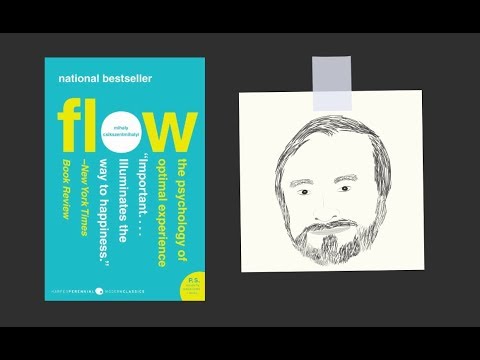
Flow, as described by Mihaly Csikszentmihalyi in his book “Flow: The Psychology of Optimal Experience,” is that magical state where you lose track of time and are completely absorbed in what you’re doing. You know those moments when you’re so into a hobby or task that the outside world just fades away? Yeah, that’s flow!
Basically, flow happens when you find the right balance between the challenge of a task and your skill level. If it’s too easy, you get bored; if it’s too hard, you feel anxious. Finding that sweet spot makes all the difference.
Here are some key insights from Csikszentmihalyi’s work:
- Clear Goals: For flow to happen, you need to know what you’re aiming for. It’s like playing a video game – when you have clear missions or objectives, it’s way easier to get sucked into the action.
- Immediate Feedback: Getting real-time feedback on your performance keeps you engaged. Think about sports; when you’re playing basketball and can see how well you’re shooting, it keeps your motivation high.
- Focus: You really need to concentrate on the task at hand. Flow requires your full attention. Ever gotten so caught up in a book that nothing around you mattered? That’s focus leading to flow.
- A Sense of Control: Being in control over your actions contributes hugely to this feeling. When you’re painting or playing music and everything feels just right, that sense of mastery helps deepen the experience.
- No Self-Consciousness: In flow, self-doubt tends to slip away. You’re immersed in the moment rather than worrying about what others think or whether you’ll succeed.
Many people experience flow during activities they love—like artists creating masterpieces or athletes pushing their limits on a field. Even simple tasks like gardening can pull someone into that state if they’re truly engaged.
One interesting thing is how Csikszentmihalyi suggests we can increase our happiness by intentionally seeking out these flow experiences in our daily lives. It’s not just about big accomplishments; even small moments matter!
So consider this: next time you’re doing something—whether it’s working on a project or trying a new recipe—try to push yourself just enough within your skill set so you can enter that zone where everything else fades away. Who knows? You might find yourself enjoying life even more than before!
Understanding the 4 Pillars of Flow in Legal Practice: Enhancing Efficiency and Client Satisfaction
Flow is this amazing state where you’re totally immersed in what you’re doing. It’s like time stands still, and you’re completely focused. In legal practice, understanding the four pillars of flow can seriously enhance your efficiency and keep your clients happy. So, let’s break it down!
1. Clear Goals
You gotta know what you’re aiming for, right? In legal practice, this means having clear objectives for each case or task. When you set specific goals for your work day, it helps you stay on track and avoid feeling overwhelmed. Imagine walking into the office knowing exactly what needs to get done today—it’s empowering!
2. Immediate Feedback
Feedback isn’t just for students or employees; it’s super important in law too. When you get prompt feedback on your work, whether it’s from colleagues or through your own self-assessment, it keeps you engaged. Picture a lawyer who gets quick responses from clients about drafts or motions; they can make adjustments in real-time. This back-and-forth not only hones skills but also boosts confidence.
3. Challenge-Skill Balance
Here’s the deal: if the task is too easy, you’ll get bored; if it’s too hard, you’ll feel anxious. It’s like trying to ride a bike uphill! In law, finding that sweet spot where your skills match the challenges of a case is key to entering that flow state. Say a young attorney takes on a challenging case under the guidance of a mentor; they learn while still feeling capable.
4. Concentration
This pillar is all about maintaining focus during tasks without distractions getting in the way. For lawyers, chances are there are tons of interruptions—emails buzzing, phone calls ringing off the hook! Creating an environment that minimizes these distractions can really help maintain concentration levels. Imagine blocking out just an hour to work deeply on a complex legal document without any interruptions—it can change everything!
So now you’ve got these four pillars laid out: clear goals give direction; immediate feedback keeps you engaged; finding that challenge-skill balance prevents boredom and anxiety; and maintaining concentration helps keep that momentum going.
Combining these elements not only boosts your efficiency as an attorney but also leads to better client satisfaction because when you’re in flow, quality improves and clients notice! It’s all connected— when lawyers feel good about their work through flow experiences, clients benefit too with more effective legal representation.
By focusing on these fundamental aspects of flow within legal practice, you’ll likely find yourself working smarter—not harder—and that’s always a win-win situation!
Understanding Flow Theory in Psychology: Key Concepts and Applications
Flow theory, you know, it’s one of those cool concepts in psychology that really gets to the heart of what makes life enjoyable and fulfilling. It’s all about that sweet spot where you’re totally immersed in an activity. Like when you’re painting, playing a game, or even lost in a good book. You lose track of time, everything else fades away, and it feels like nothing else matters.
So, let’s break it down a bit more. Flow was popularized by psychologist Mihaly Csikszentmihalyi. He found that this state of flow happens when you match your skills with the challenges at hand. That balance is super crucial! If something’s too easy, you might get bored; if it’s too hard, well, frustration sets in.
Here are some key ideas to keep in mind:
1. Challenge-Skill Balance: This is the core idea. When you’re doing something that challenges you just enough—like learning a new guitar solo—that’s when flow can happen.
2. Clear Goals: Knowing what you’re trying to achieve helps keep your focus sharp. Think of it like setting a target while playing darts; it’s way easier to hit the bullseye when you know where you’re aiming!
3. Immediate Feedback: You need feedback on how you’re doing in real-time. Imagine playing basketball; every time you shoot a hoop, you see if it goes in or not right away.
4. Concentration: When you’re in flow, distractions kinda drift away and your concentration levels go through the roof! It’s like tuning out everything around you and getting lost in what matters.
5. Sense of Control: You feel powerful and capable during flow experiences without worrying about things outside your control—not sure if I’m explaining myself perfectly here!
You might wonder where we can apply this idea of flow outside just fun stuff? Well, it can actually improve work performance! People who find flow at work are often more productive and engaged—they aren’t just clocking hours but truly involved in their tasks.
Let me throw an example out there: imagine an artist completely absorbed in their work—the brush strokes come naturally; they forget lunch time even exists! They’re likely experiencing flow because their skills are aligned with the challenges they face as they express their creativity.
Now think about gaming; players often hit that flow state while battling through levels—adrenaline pumping but feeling like they’ve got this under control! That’s why so many people devote hours to gaming—it gives them that sweet sense of accomplishment wrapped up with fun!
But here’s something important: achieving flow isn’t always easy peasy! It might require practice or stepping out of your comfort zone now and then because sometimes those best moments come unexpectedly when you’re pushing yourself.
In sum up, understanding flow theory is about recognizing how these key concepts interact to create those amazing peak experiences we all crave sometimes—whether for enjoyment or personal growth! So next time you’re diving into something new or challenging yourself after work? Try looking for that magic balance where stress melts away and joy takes over!
You know, there’s something really special about getting into that groove where everything feels right. It’s like being in the zone, and it’s called “flow.” This idea comes from psychology—specifically, from a guy named Mihaly Csikszentmihalyi. He studied this state of mind where you’re fully immersed in an activity, totally focused, and honestly just loving what you’re doing.
Picture this: you’re playing your favorite video game or completely engrossed in a book that you can’t put down. Time flies, and suddenly, hours have passed without you even noticing! That’s flow. It’s that sweet spot between boredom and anxiety, where you feel challenged yet capable, and every little thing around you seems to fade away.
I remember a time when I was painting a mural with some friends. We started off super casual but then got completely wrapped up in the creative process. We lost track of time, laughing and splattering paint all over the place. You’d think it was chaotic but, honestly? It felt amazing! Every brush stroke felt right—it was just pure joy flowing through us.
So why does flow matter? Well, besides feeling great in the moment, engaging in those experiences can really boost your overall well-being. People who regularly find themselves in flow tend to feel more fulfilled and happier with life. It’s like tapping into a reservoir of energy that fuels your creativity and drives passion.
But here’s the kicker: finding flow isn’t always easy. You might need to create the right conditions for it. Make sure the activity suits your skills but also presents enough of a challenge to keep your brain buzzing. Whether it’s painting, cooking, writing—whatever lights you up—be mindful about setting aside time for those activities without distractions.
And hey—if you haven’t experienced flow yet or find it hard to get there? No worries! Just keep exploring different things until something clicks for you. Life’s too short not to chase after those moments where everything feels just right!