Ever felt like time just disappeared while you were doing something you love? You know, those moments when you’re completely in the zone? Yeah, that’s what we call «flow.»
It’s that state where everything feels effortless and enjoyable. You’re fully immersed in what you’re doing, and the world just fades away. Sounds nice, right?
But here’s the thing: flow isn’t just an accident. There’s some cool psychology behind it. Understanding this can totally change how you approach work, hobbies, or even relationships.
So, let’s chat about how to harness this magical feeling. It could spice up your life in ways you didn’t see coming!
Unlocking Optimal Experiences: A Summary of Harnessing Flow in Psychology
Flow is that magical state we all crave sometimes, you know? It’s when everything just clicks. You’re fully immersed in what you’re doing, and time seems to vanish. Whether it’s painting, coding, or playing a sport, being in flow can lead to those optimal experiences we often chase.
So, let’s break down flow and how you can harness it. First off, flow was popularized by psychologist Mihaly Csikszentmihalyi. He studied people who found joy and fulfillment in their activities. His research showed that flow happens when there’s a perfect balance between your skill level and the challenge of the task. If something’s too easy, you get bored; if it’s too hard, anxiety kicks in.
You might be wondering, “What exactly does it feel like to be in flow?” Well, here are some signs:
- Intense focus: Your concentration is razor sharp.
- A sense of control: You feel like you can handle whatever comes your way.
- A loss of self-consciousness: You’re not worried about what others think.
- An altered perception of time: Hours might pass without you even noticing.
- Intrinsic motivation: You’re doing it for the sheer joy of it!
So how do you get into this flow state? Here are some pointers:
- Set clear goals: Know what you’re aiming for. It helps direct your focus.
- Create challenges: Find tasks that stretch your abilities without overwhelming you.
- Minimize distractions: Turn off that phone or find a quiet space where you can dive deep.
- Practice regularly: The more you engage in an activity, the more likely you’ll hit that sweet spot of flow.
Let me tell ya about my friend Sarah. She’s a dancer and when she hits the stage, she enters this new world. Everything around fades away—it’s just her and the music. She once told me after a performance how she lost track of time completely! This is classic flow at work.
Remember though—achieving flow isn’t static. It takes practice and self-awareness to keep connecting with those moments of deep engagement. Just like Sarah had to hone her skills through countless hours of rehearsal.
Understanding flow can really boost your enjoyment and satisfaction across various aspects of life—from work projects to hobbies or even relationships! So next time you’re feeling stuck or unmotivated—which we all do at times—think about how to tweak your environment or challenge level to invite that sweet experience we call flow again!
Unlocking Flow: Understanding the Psychology Behind Optimal Experiences
Flow is that magical state where you lose track of time and feel totally absorbed in what you’re doing. It’s like when you’re playing a video game or lost in a good book. You know that feeling, right? In psychology, this experience is called “flow” and it really captures the essence of being fully engaged.
To dive into flow, let’s talk about some of the key elements that contribute to this awesome experience. Here are some important points to keep in mind:
1. Clear Goals: Having specific objectives directs your focus. When you’re rock climbing, for instance, knowing exactly which handhold to reach for helps keep your mind on the task rather than wandering off to think about dinner plans.
2. Immediate Feedback: Knowing how you’re doing while you’re performing makes a big difference. If you’re learning guitar and can hear yourself strumming chords correctly (or not), it helps you adjust and stay in the zone.
3. Challenge vs. Skill Balance: Flow happens when there’s a sweet spot between how challenging an activity is and your skill level. Imagine riding a bike on a flat path—it might be too easy—but add some hills and suddenly it’s engaging! If it gets too tough, though, frustration kicks in, which pulls you out of that flow state.
4. Intense Concentration: Flow requires your full attention. You know that moment when distractions just fade away? That’s when you’re really able to hit flow! Whether painting or coding, when nothing else matters but what’s happening right now—bam! You’re in it.
Now, let’s not forget about emotional aspects here! Flow isn’t just about logic; it feels really good too! People often report feeling joy and fulfillment during these optimal experiences. Think back to the last time you were genuinely happy while doing something—like finishing a challenging puzzle or nailing a recipe—there’s something incredibly rewarding about being completely immersed.
But here’s a little twist: finding flow isn’t always easy for everyone at first. Sometimes people might struggle because they don’t know how to balance their skills with challenges or maybe they face distractions from their surroundings—like noisy roommates during study time.
So how do we get better at reaching this state of flow?
– Practice Regularly: Just like anything else, getting into flow takes practice! The more frequently you engage in activities that challenge you appropriately, the better you’ll get at slipping into that smooth groove.
– Create the Right Environment: Minimize distractions around you whenever possible. Find your personal oasis where focus thrives—whether that’s a cozy corner of your room or a quiet café with good coffee.
– Set Smaller Goals: Break tasks down into manageable chunks instead of focusing solely on big outcomes—you’ll find smaller achievements are just as satisfying!
In essence, unlocking flow is all about understanding what works best for **you**—what excites your skill set while keeping things challenging enough to ignite that inner spark! So next time you’re working on something and find yourself zoning out? Reassess those elements and see if you can steer yourself back towards experiencing *the flow*. Happy flowing!
Unlocking Optimal Experience: Download the PDF of ‘Flow: The Psychology of Optimal Experience’
Alright, let’s chat about this whole flow thing—it’s pretty interesting. So, flow refers to that sweet spot when you’re totally immersed in an activity, and time just seems to disappear. You know those moments when you’re so into what you’re doing that everything else fades away? That’s flow.
The idea was popularized by psychology researcher Mihaly Csikszentmihalyi. He really dug into what makes people feel fulfilled and happy while they’re engaged in something. Basically, he found that we experience optimal enjoyment when our skill level matches the challenge of the task at hand.
Here’s how it breaks down:
- Challenge vs. Skill: The balance between how challenging something is and how skilled you are at it matters a lot. If it’s too hard, you’ll feel anxious. If it’s too easy? Boredom sets in.
- Clear Goals: Knowing exactly what you want to achieve helps keep your focus tight. Think about a soccer game; players know their goal is to score, which keeps them engaged.
- Immediate Feedback: Getting feedback right away helps adjust your actions as you go along. Like when you play a game and see your score immediately—you’re fired up to improve!
- Total Concentration: You should be able to focus deeply on the task without distractions. It’s like being in the zone during a good movie or an engrossing book.
- Sense of Control: Feeling like you’re in control of your actions boosts confidence and keeps up motivation!
The cool thing about flow is that it can happen across different areas—whether you’re painting, coding, playing a sport, or even cooking. Imagine you’re making dinner and lose track of time because you’re just so into creating the perfect dish—that’s flow at work!
This state doesn’t just feel good; it’s also linked to higher levels of productivity and creativity. People who regularly experience flow often report feeling more satisfied with life overall. It gives them a sense of engagement that spills over into other activities.
If you’re looking for ways to trigger this state more often, consider breaking tasks down! Make them manageable so you can face challenges without feeling overwhelmed—and try to set clear goals for yourself.
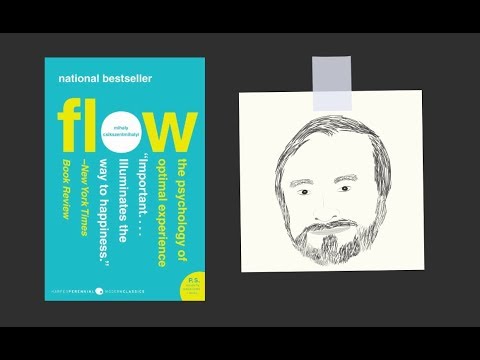
If you’re interested in digging deeper into these ideas about optimal experiences, Csikszentmihalyi’s book ‘Flow: The Psychology of Optimal Experience’ dives even more into these principles! It’s worth checking out if you want to uncover how to harness flow in your own life.
You don’t have to grab the PDF or anything fancy—just pay attention next time you’re doing something fun or challenging! Notice how it feels when everything clicks together; that’s what it’s all about!
Ever find yourself completely lost in what you’re doing? Like, time flies, and you forget to eat or check your phone? Yeah, that’s flow. It’s that moment when everything clicks, and you’re just in the zone. You know, when you’re so focused that nothing else matters? It feels awesome, right?
Flow is a psychological state described by Mihaly Csikszentmihalyi. He was this cool psychologist who studied happiness and creativity. He noticed that people often reach their highest potential when they’re engrossed in activities they love—whether that’s painting, coding, dancing, or even playing video games. When you hit that sweet spot of challenge meets skill level, boom! Flow happens.
I remember one summer I decided to pick up painting again after years of setting it aside. I found myself blending colors for hours. The world faded away; I was just me and the canvas. It felt like I could create anything! That satisfaction was huge—like climbing a mountain and reaching the top.
So how do we harness flow? Well, first off, you need to be engaged in something personally meaningful. If it’s something you care about—something challenging but doable—you’re halfway there! Setting clear goals helps too. That gives your mind a direction to follow.
Another important piece is minimizing distractions. It can be hard with all the notifications we get these days! But finding a quiet space can really boost your chances of hitting flow mode.
There’s also this idea about feedback—the immediate kind helps you know you’re on track. If you’re playing an instrument or solving a tricky puzzle and know right away how well you’re doing? That instant feedback fuels your motivation.
And here’s the kicker: finding flow isn’t just about feeling good; it can improve your skills and boost creativity too! When you’re deeply immersed in something enjoyable, your brain is firing on all cylinders—making connections left and right!
So next time you’re feeling unfocused or unmotivated, think about what activity lights that spark for you. Try diving into it without distractions or worries for a bit! You never know what insights or breakthroughs might come from those moments of pure concentration—because really, life is more vibrant when we let ourselves get wrapped up in our passions!