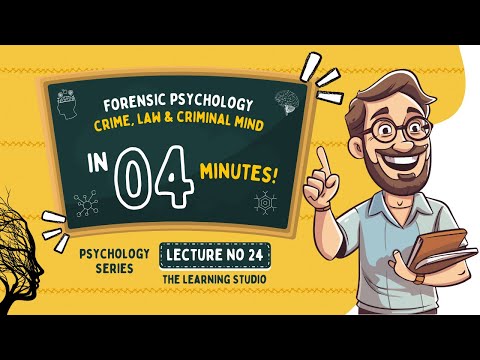
So, have you ever thought about what goes on in the minds of criminals? Or, like, how psychological insights play into the legal system? It’s pretty wild when you think about it.
Forensic psychology is where psychology and law collide. It’s not just about the courtroom drama you see on TV. There’s a whole world behind it that digs deep into human behavior.
Imagine someone trying to understand why a person committed a crime. What were they thinking? What led them there? That’s what forensic psychologists do—they get into the nitty-gritty of human minds.
It’s not just about catching bad guys, though. It’s also about understanding victims and helping everyone involved navigate those intense emotional waters. Intrigued yet?
Let’s take a closer look at this fascinating blend of psychology and justice that helps shape our legal system!
Forensic Psychology: Understanding the Minds Influencing the Legal System (PDF Download)
Forensic psychology is a fascinating field that sits at the intersection of psychology and the legal system. You might be wondering, what exactly does that mean? Well, to put it simply, forensic psychologists apply their knowledge of human behavior to legal matters, helping to understand criminal behavior and the psychological aspects of legal processes.
What Do Forensic Psychologists Do?
These professionals wear many hats. They may evaluate individuals involved in legal cases—like assessing a defendant’s mental state during a crime or their competence to stand trial. Basically, they help the court understand whether someone was sane enough to know what they were doing or if they can fully grasp the proceedings against them.
Understanding Criminal Behavior
It’s not just about evaluations; forensic psychologists also study patterns in criminal behavior. They dive deep into why people commit crimes. Take, for instance, a case where someone committed theft due to severe financial hardship versus someone who did it out of impulse or thrill-seeking. Understanding these motivations can shape sentences or rehabilitation approaches.
The Role in Trials
During trials, forensic psychologists might serve as expert witnesses. They present findings from their assessments and research in clear terms that jurors—and sometimes judges—can grasp. Imagine trying to explain complex human emotions or mental disorders while keeping everyone on the same page! It’s a tough gig but vital for justice.
Risk Assessment
Another important aspect is risk assessment—predicting whether an individual is likely to re-offend. This involves analyzing past behaviors and psychological profiles to gauge future risks. For example, if someone has aggressive tendencies and a history of violent offenses, that raises red flags when considering their release.
Impact on Policy
The insights from forensic psychology don’t just stop at individual cases; they also influence broader policies regarding mental health and crime prevention. When data shows certain psychological traits are prevalent among offenders, it can lead to new programs aimed at intervention before crimes occur.
In short, forensic psychology plays a critical role in shaping our understanding of how mental processes affect behaviors within legal contexts. The work of these professionals helps inform not only courtroom decisions but also societal approaches toward rehabilitation and prevention strategies related to crime.
So next time you hear about a court case involving psychological evaluations or witness testimonies from experts, remember there’s a whole world behind those terms—where understanding the mind is key to navigating justice!
10 Intriguing Insights into Forensic Psychology You Need to Know
Forensic psychology is pretty fascinating. It’s basically where psychology meets the law, and it covers a bunch of intriguing stuff. Let’s break down some insights that really highlight what forensic psychologists do, you know?
- Understanding Criminal Behavior: Forensic psychologists work hard to figure out why people commit crimes. They study the mental state of offenders to see what drives them. Think about a person who commits robbery. A psychologist might look at their background to understand if trauma played a role in their behavior.
- Risk Assessment: These professionals often assess how dangerous someone might be. Imagine you’ve got an offender who has just been released. A forensic psychologist would evaluate their likelihood of reoffending based on various factors, like past behaviors or mental health issues.
- Expert Testimony: Sometimes, forensic psychologists are called to testify in court about a defendant’s mental state during a crime. Their evaluations can really sway the outcome of cases—like when someone is found not guilty by reason of insanity. The jury often relies heavily on these insights.
- Victim Support: They also help victims understand the psychological impact of crimes on their lives. This could involve therapy or just guidance on coping strategies after facing trauma. You know, it’s not all about the bad guys; they care about helping victims too!
- Cognitive Profiling: Forensic psychologists create profiles based on crime scene information and behavior patterns to help catch perpetrators. Like in shows where they describe a suspect’s personality traits—it’s not just fiction! They’re using science to predict behaviors.
- Mental Evaluations: Determining competency is crucial in legal settings—like if someone can stand trial or understand the charges against them. A psychologist would conduct thorough evaluations to make these calls, ensuring fairness in judicial processes.
- Plea Bargains: Forensic experts sometimes advise attorneys on negotiating plea deals based on psychological assessments of defendants’ mental states or potential outcomes if taken to trial.
- Cultural Influence: Each culture perceives crime differently, which affects both offending and victimization rates. Understanding these nuances helps forensic psychologists tailor their approach based on community values and beliefs.
- Evolving Techniques: With advances in technology like AI and neuroimaging, forensic psychology is evolving all the time! New tools can improve offender treatment and risk assessments significantly.
- The Ethics Spin: Ethics play a big role here since psychologists must balance helping individuals while also upholding justice principles—seriously complex territory! Making sure they don’t cross boundaries is vital for maintaining trust in this field.
So there you go! These insights into forensic psychology show how it blends human behavior with legal matters, making it essential for ensuring justice while understanding humanity’s more complicated side. It’s wild what goes into making sense of people’s actions in relation to the law!
Exploring the Role of Forensic Psychology in Criminal Justice: Insights and Applications
Forensic psychology is like this fascinating bridge between law and psychology. Basically, it’s all about understanding how the mind works in relation to criminal behavior. So when you think of forensic psychologists, imagine people who help figure out why someone did something bad. They can really dive deep into the minds of offenders to provide valuable insights into their actions.
One key role of forensic psychologists is assessing individuals involved in legal cases. They often evaluate the mental state of defendants, which can influence whether they’re found competent to stand trial or if they should go to a mental health facility instead. For instance, let’s say someone commits a crime but has been diagnosed with a severe mental illness. A forensic psychologist might assess them and determine that they weren’t fully in control of their actions at the time.
Another important area is risk assessment, where these professionals look at whether someone might commit another crime in the future. Imagine a case where a person has previously committed violent acts. A forensic psychologist could analyze their history and behaviors to predict if they’re likely to do it again, helping courts make informed decisions on sentencing or parole.
Forensic psychologists also provide expert testimony in court. It’s not uncommon for them to explain complex psychological concepts, like how trauma affects behavior or why someone might have acted impulsively during a crime. Their insights can sway juries or help judges understand the nuances behind someone’s actions.
The application of forensic psychology extends beyond just evaluating criminals. It also plays a role in victimology—understanding the psychological impact on victims and witnesses as well. This aspect is crucial during trials since it helps in crafting sensitive approaches to questioning and providing support throughout legal proceedings.
But here’s where it gets even more interesting: forensic psychologists can work with law enforcement agencies as well! They help develop profiles of offenders based on psychological traits, which can aid in catching criminals faster. There are instances where learning about patterns—like common traits among certain types of offenders—has led to breakthroughs in investigations.
In short, forensic psychology serves multiple functions within the criminal justice system, acting as a connector between understanding human behavior and maintaining justice. Whether it’s assessing mental competency or aiding investigations through profiling, its role is vital for making sense of crimes from a psychological viewpoint—and that’s pretty cool!
Forensic psychology is one of those fields that really makes you think, right? It’s all about how psychology meets the legal system. Imagine this: You’re watching a crime drama series, and suddenly a psychologist walks into the courtroom. They don’t just analyze people; they help us understand the “why” behind actions—like why someone committed a crime in the first place.
You might picture a forensic psychologist as someone who sits behind a desk with their notepad, observing and taking notes, but it’s way more dynamic than that. These professionals get involved in everything from assessing mental competency to providing expert testimony. They play a crucial role in cases—whether it’s figuring out if someone was sane at the time of committing an act or even evaluating risks for future behaviors.
Here’s a thought: consider that tragic true story of a notorious criminal trial where psychological evaluation became central to the outcome. The defense argued insanity, claiming their client couldn’t grasp reality when they committed the crime. The forensic psychologist stepped up, providing insights into complex mental health issues. Their evaluation influenced jurors’ views in profound ways, showing just how impactful this field can be.
What’s fascinating is how forensic psychologists must juggle their duties between understanding human behavior and navigating through legal protocols—it’s not always straightforward! They rely on psychological theories but also need to communicate effectively with attorneys or judges who might not have any background in psychology.
So there’s this balance between science and law, where understanding human emotions and thoughts directly impacts justice. It brings some humanity into what can often feel like cold, hard legal proceedings. Forensic psychology shows us that behind every case is a person with their own history—good or bad—and trying to piece together those stories can be both challenging and enlightening.
At its core, forensic psychology isn’t just about examining criminals; it encompasses everyone involved in the legal process—from victims to those accused. It reminds us that mental health matters are intertwined with our justice system and highlights the importance of empathy while navigating complex moral dilemmas.
In short, forensic psychology is like exploring the depths of human nature through a lens of law—often messy but incredibly important for understanding behavior within society’s framework. And honestly? That mix of empathy and analysis could teach us all something valuable about ourselves!